











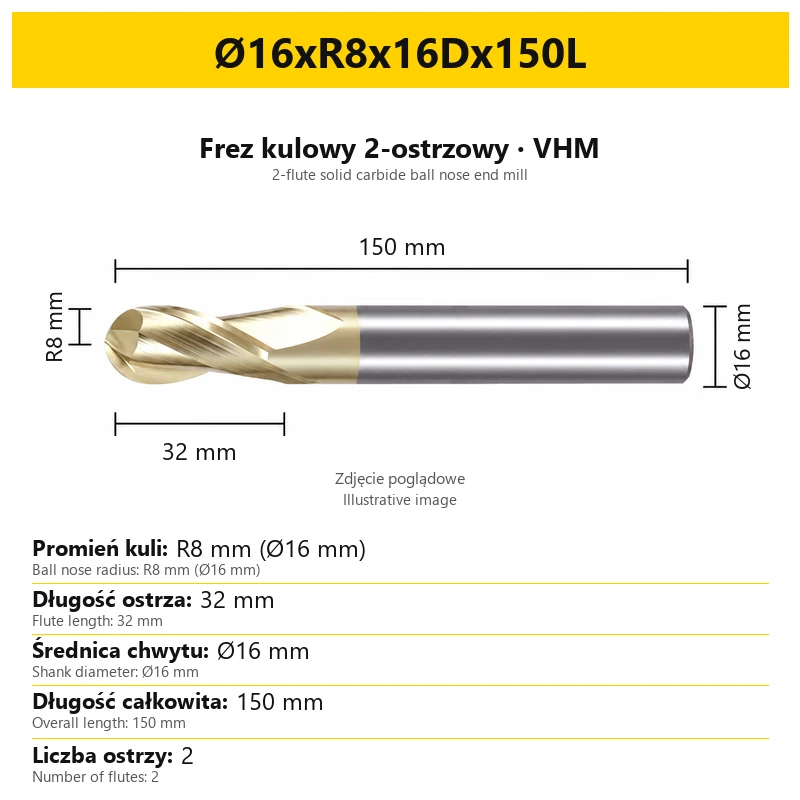
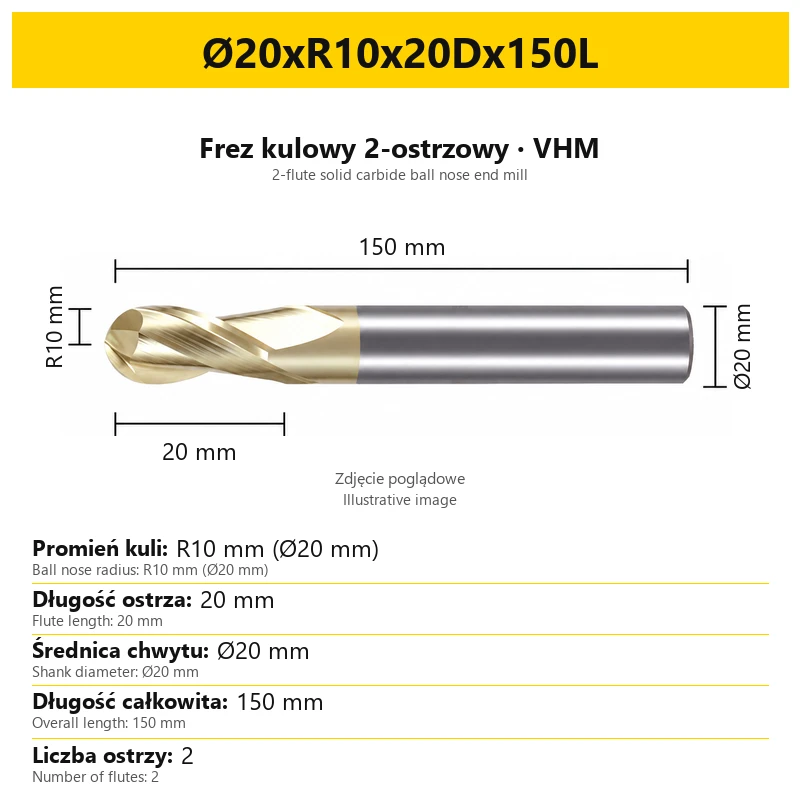


2-Flute ZrN Coated Carbide Ball Nose End Mill | VHM | VELOCITY
Shipping costs are not included in the price.
Shipping costs are not included in the price.

Weekly deals
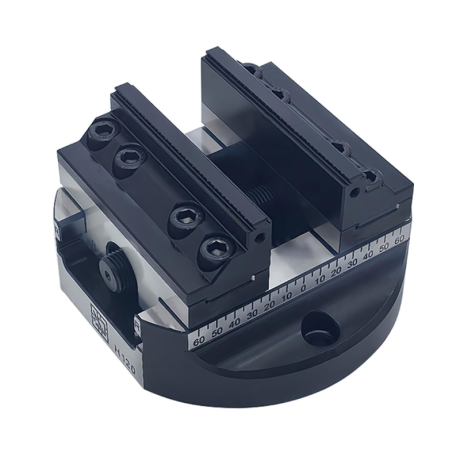
5-axis vise with hard jaws
Self-centering machine vise. Hard jaws included.
excl. VAT
Regular price:
Lowest price in the 30 days before the reduction:
Time left
Offer ends 06.11.2026 23:59. Offer applies to the vise + hard jaws bundle only.
Ask about the product

The administrator of personal data is Kortools. We process it to respond to your inquiry. More information regarding the processing of personal data can be found in privacy policy.
Select a product variant:
Individual variants may differ in price
Product code: 08A7-456CA
Product description
VELOCITY · 2-flute ZrN-coated solid carbide ball nose end mill
Ball nose geometry · solid carbide · cylindrical shank
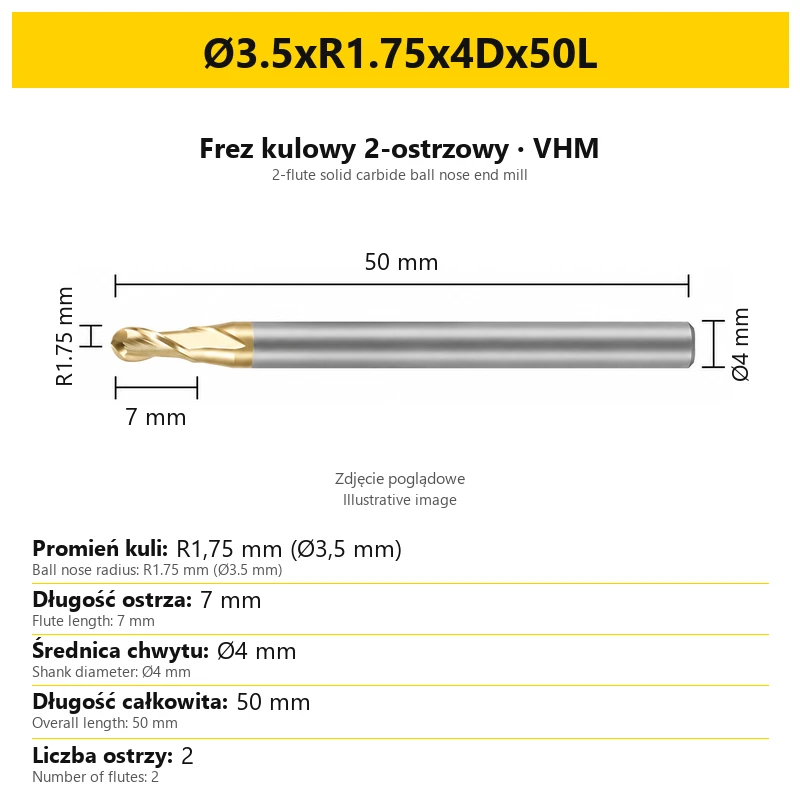
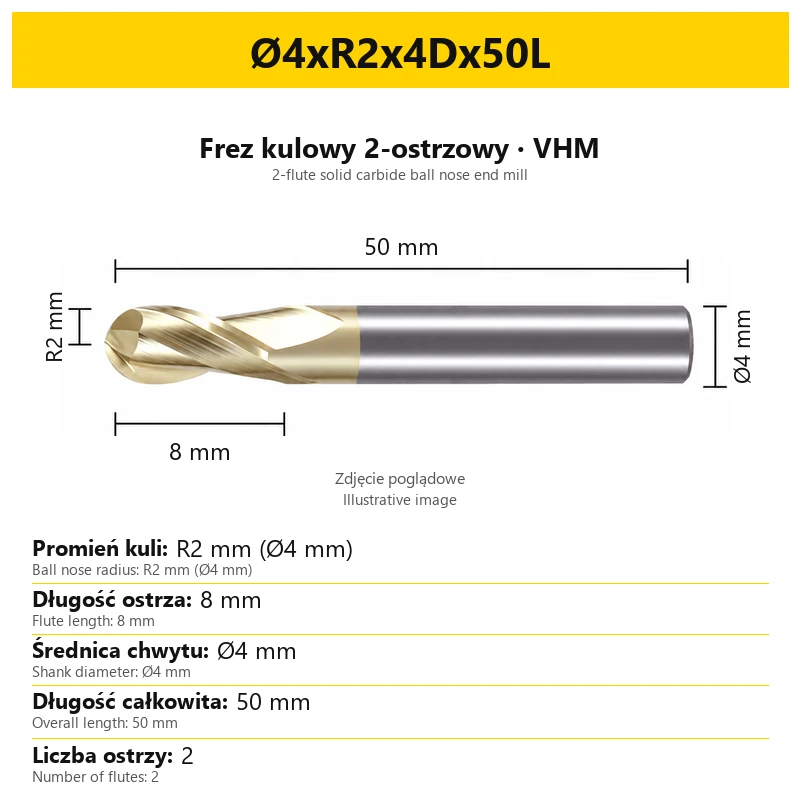
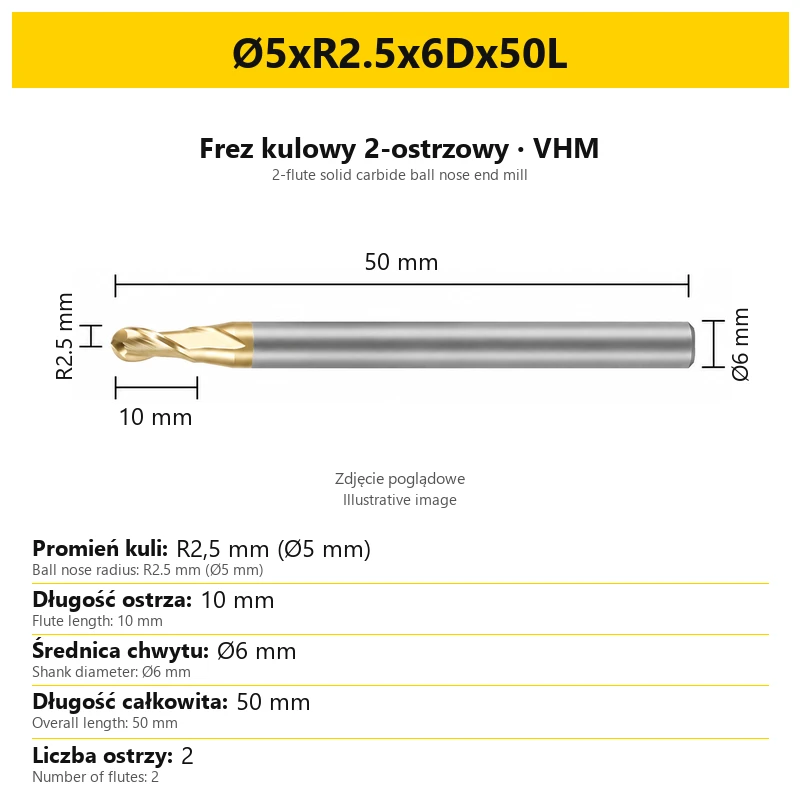
VELOCITY is a two-flute ball nose end mill made from solid carbide (VHM) with a ZrN coating. Its rounded end is used for milling three-dimensional, shaped and radiused surfaces. The helical cutting section joins a cylindrical shank for mounting in a tool holder.
1. Applications
Ball nose end mills are used for 3D contours, mould and die surfaces, and radiused features. Select the ball radius for the part shape and required surface geometry. The tool is intended for CNC milling machines and machining centres.
2. Construction and specifications
| Parameter | Value |
|---|---|
| Series | VELOCITY |
| Type | Ball nose shank end mill |
| Tool material | VHM — solid carbide |
| Number of flutes | 2 |
| Coating | ZrN |
| Shank | Cylindrical |
| Ball radius | R0.5–R10 mm, depending on size |
| Cutting diameter | Ø1–Ø20 mm, depending on size |
| Overall lengths | 50, 60, 75, 100 and 150 mm, depending on size |
These ranges describe the product family. Not every diameter is offered in every length. Check shank diameter and flute length on the card for the selected size.
3. Ball nose geometry and radius R
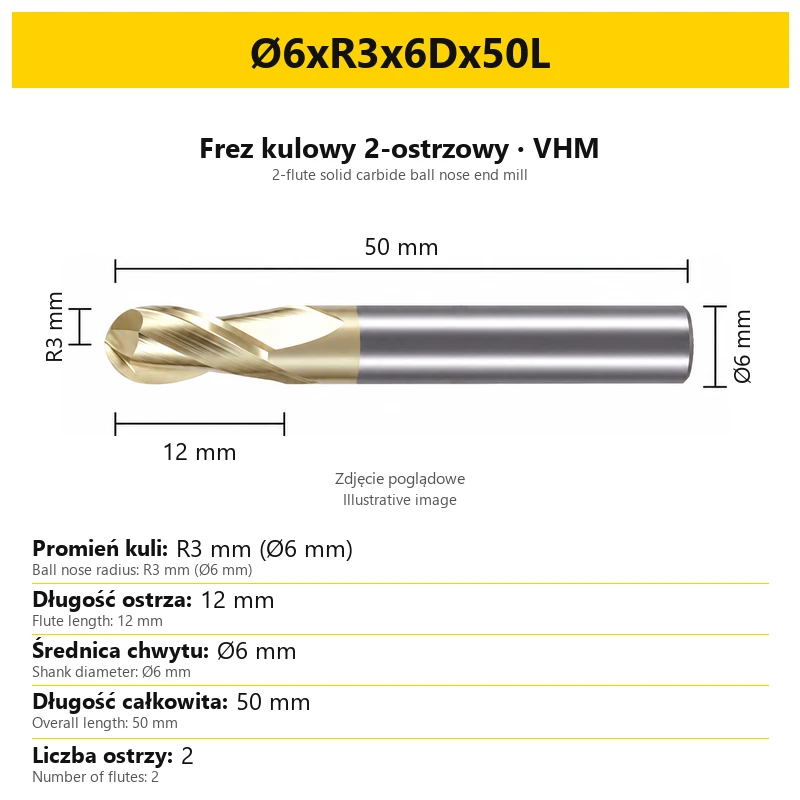
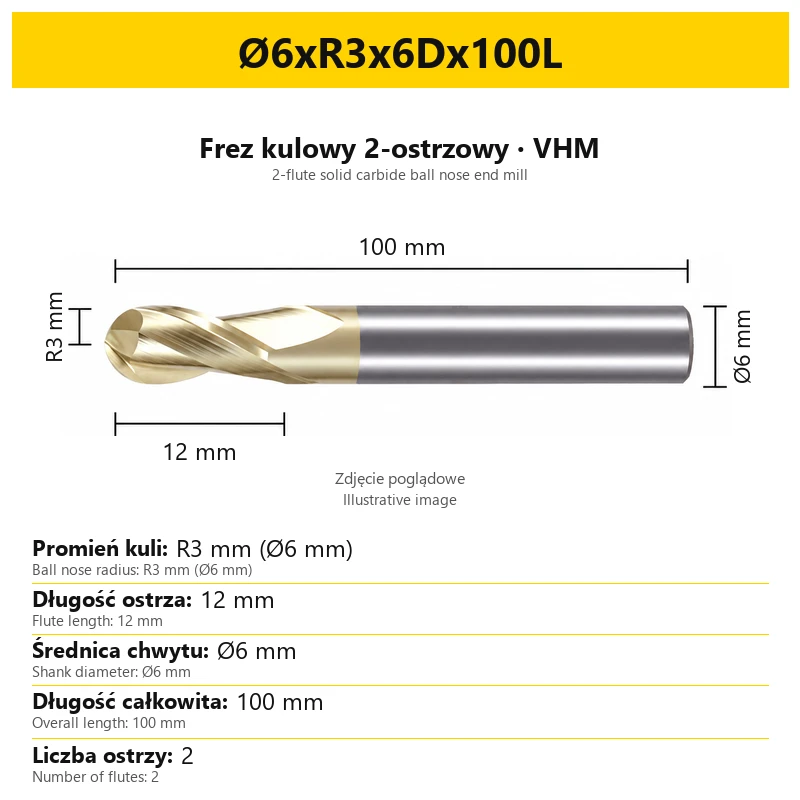
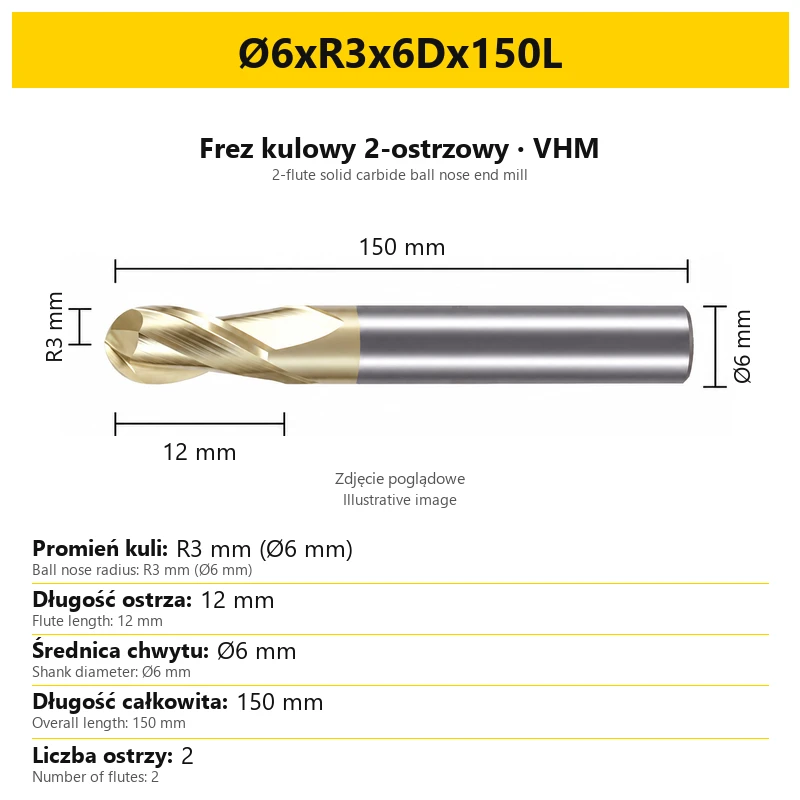
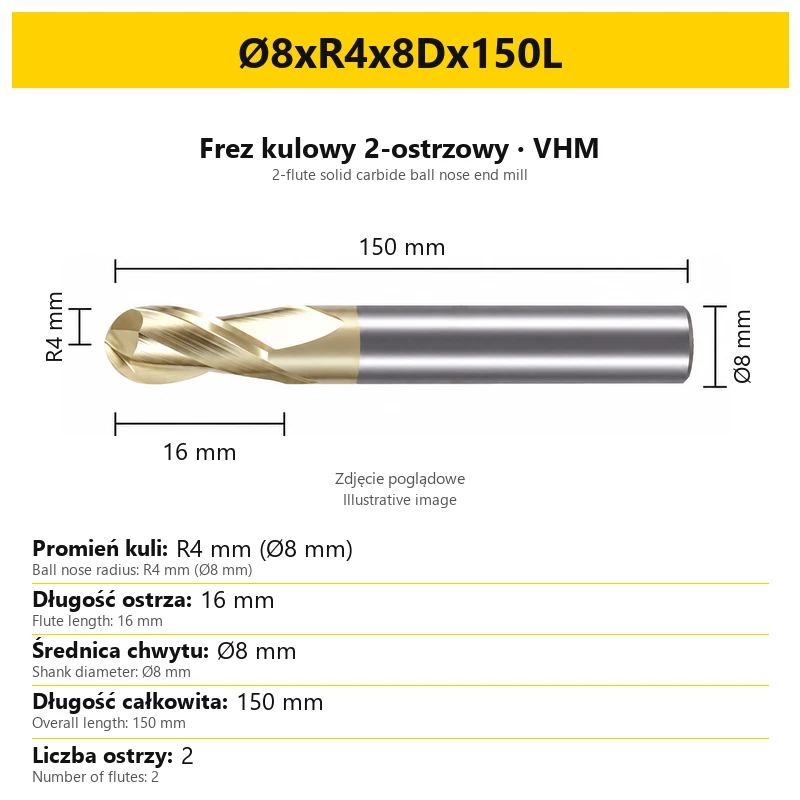
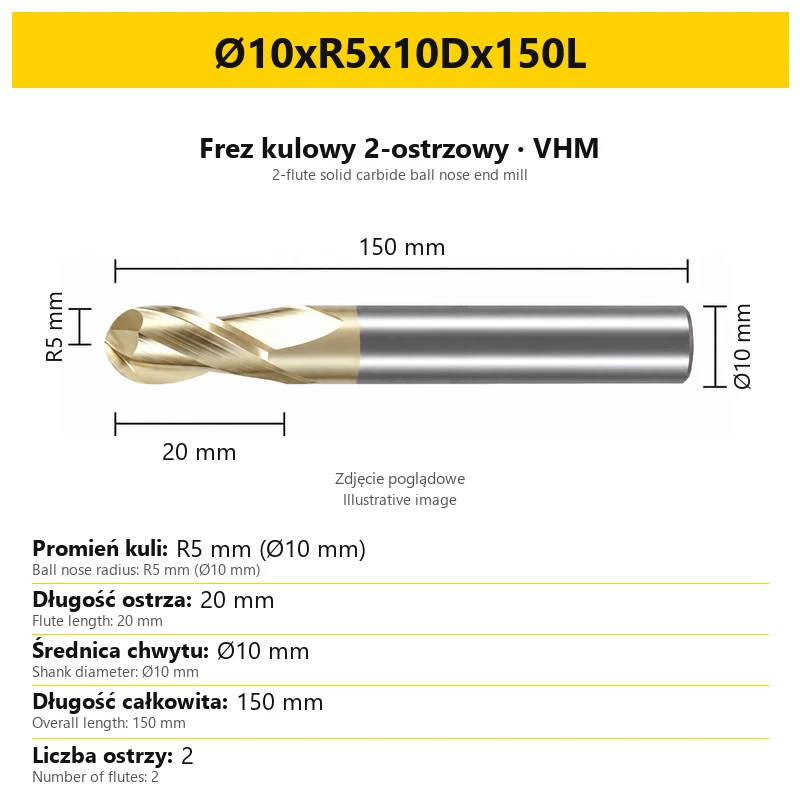
Radius R is half the cutting diameter. For example, R3 identifies a ball radius of 3 mm and a cutting diameter of Ø6 mm. R and Ø describe different dimensions and must not be interchanged when selecting the tool or entering tool data in CAM software.
4. Coating and tool material
The tool has a ZrN coating, while its body and cutting section are made from solid carbide (VHM). Coating is one tool characteristic; cutting conditions also depend on workpiece material, diameter, overhang and the operation.
5. Workpiece materials
| Material group | Selection considerations |
|---|---|
| Steel | Grade, material condition and type of pass. |
| Alloy steel | Composition and heat treatment condition of the specific alloy. |
| Stainless steel | Material grade and cutting conditions. |
| Cast iron | Cast iron grade and required surface shape. |
Tool selection for a specific job should account for the actual material and its condition. The coating designation alone does not specify spindle speed, feed or permissible depth of cut.
6. How to read the size designation
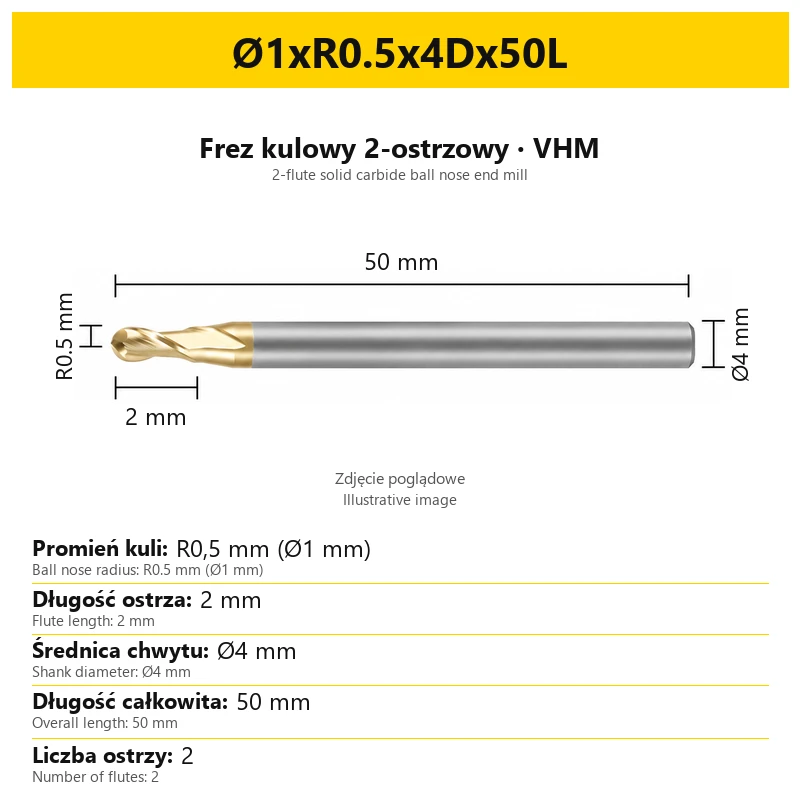
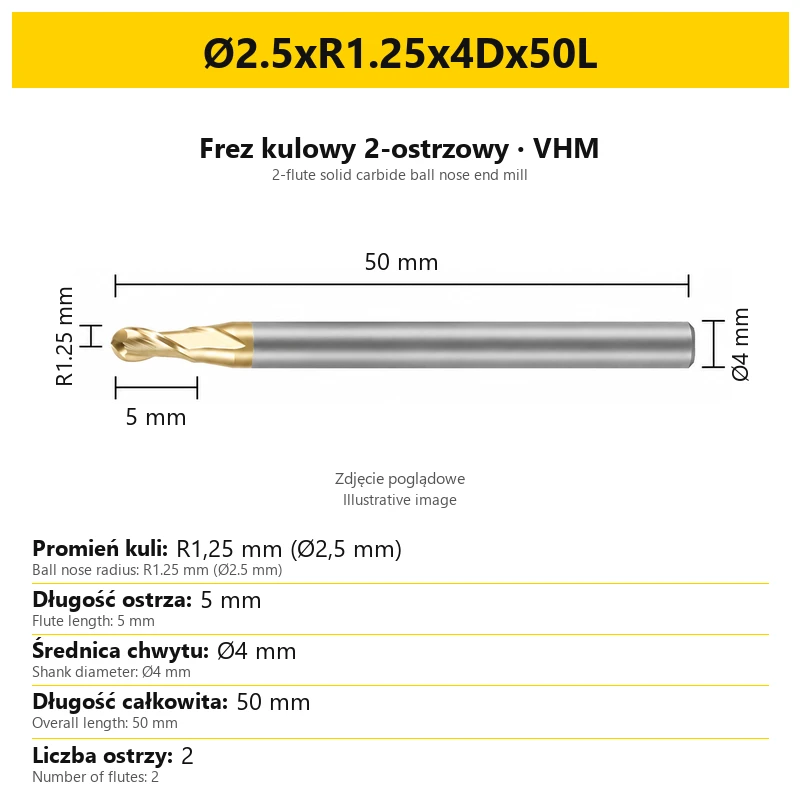
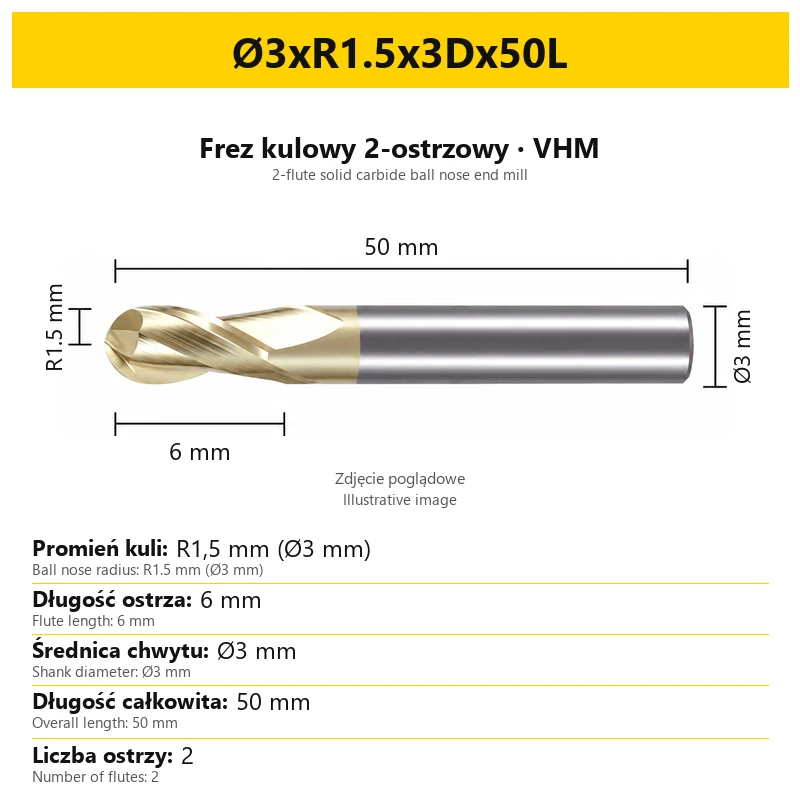
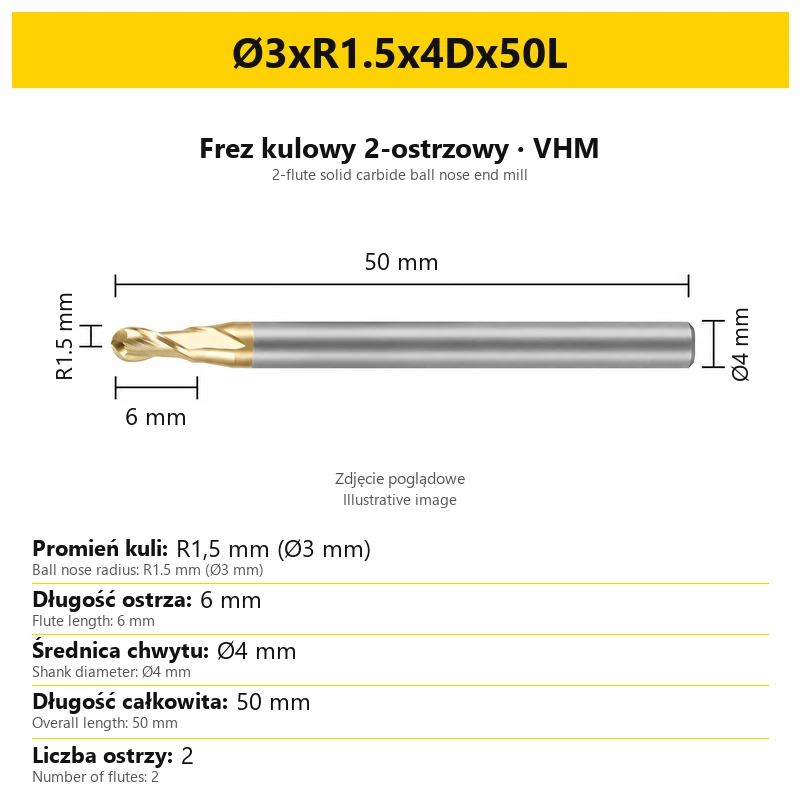
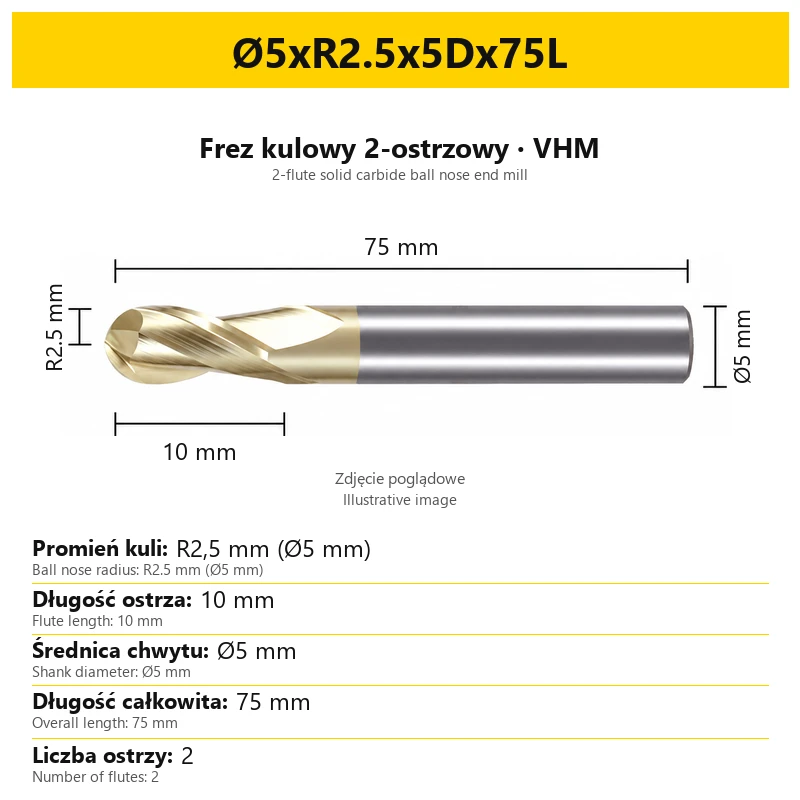
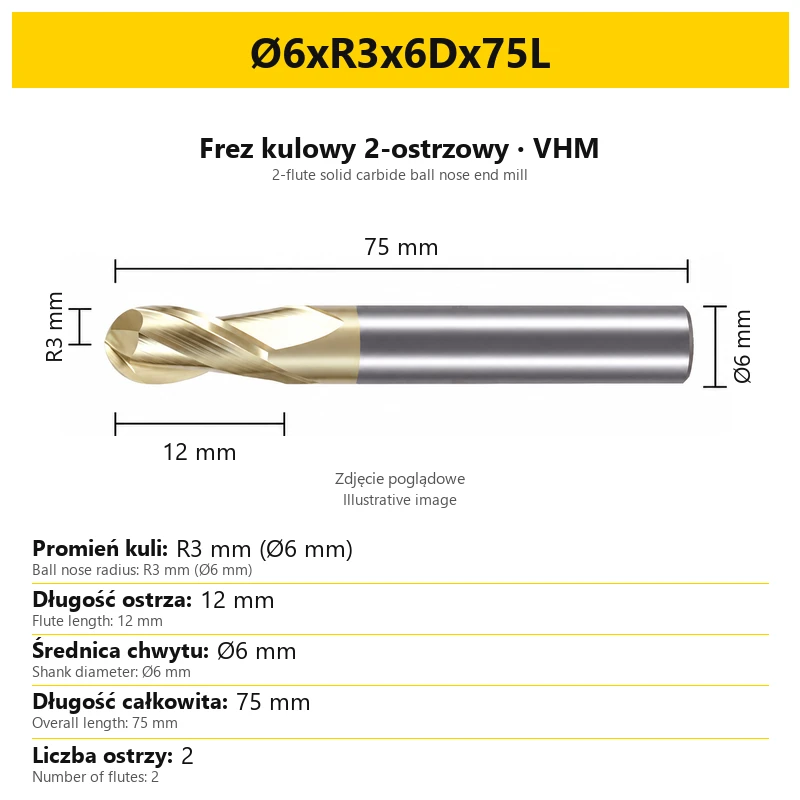
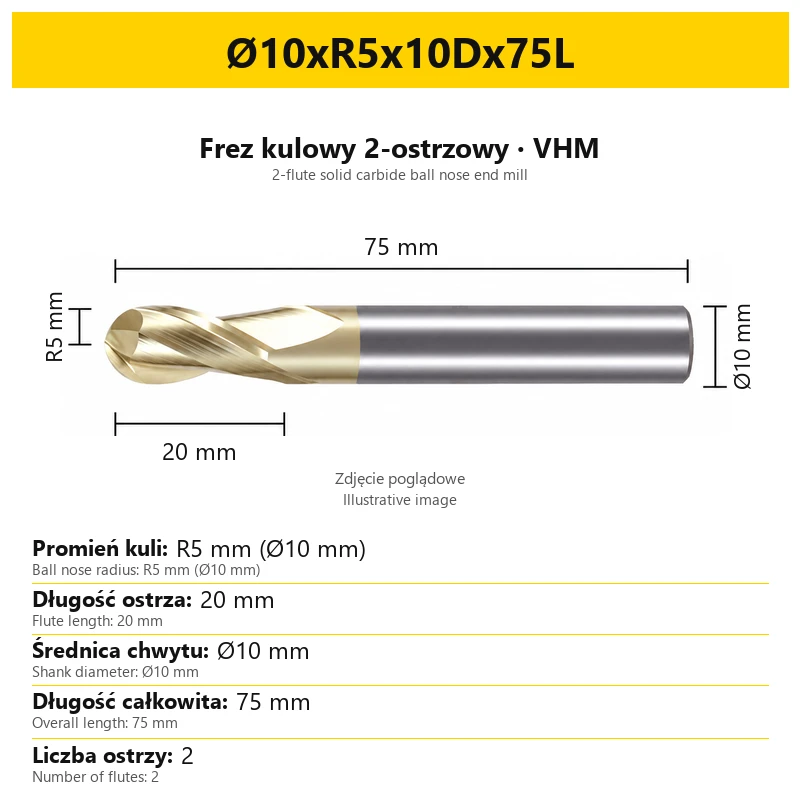
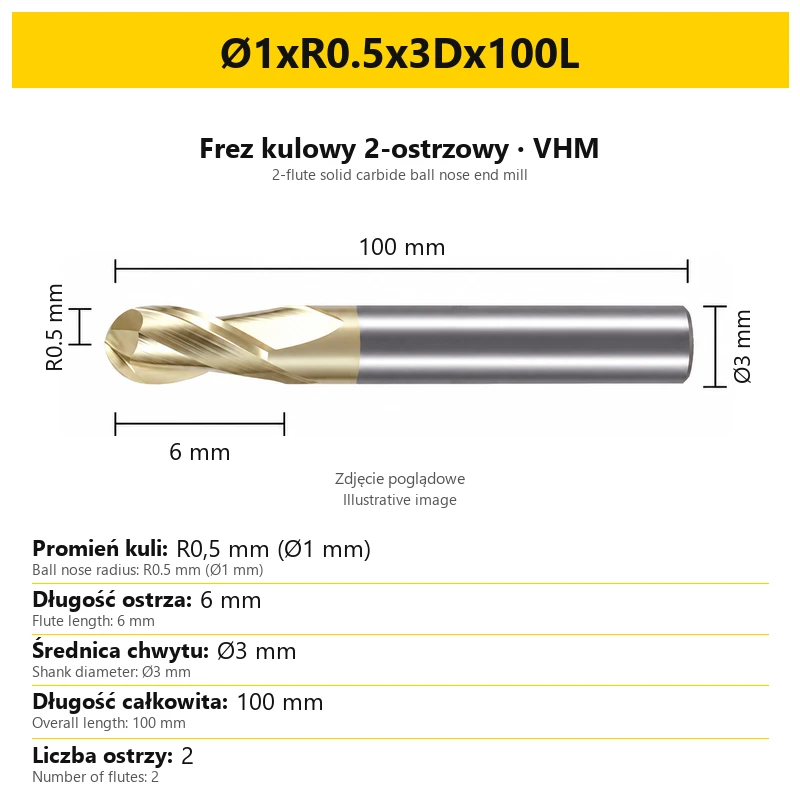
Example: Ø6xR3x6Dx50L identifies four dimensions in millimetres:
| Code | Meaning | Value |
|---|---|---|
| Ø6 | Cutting diameter | 6 mm |
| R3 | Ball radius | 3 mm |
| 6D | Shank diameter | 6 mm |
| 50L | Overall length | 50 mm |
Flute length is stated separately on the size card. It is 12 mm in this example. It is not included in 50L, which identifies the length of the entire tool, including the shank. The dot in a size code is a decimal separator: R0.5 means a radius of 0.5 mm.
7. Choosing the size and mounting the tool
First select ball radius and cutting diameter, then check flute length, shank diameter and overall length. Match the collet or holder to the shank. Account for access to the machining area, actual tool extension and clearance around the holder.
The photographs on the cards are illustrative. Use the stated dimensions to select the size and prepare the program. Overall length is neither permissible cutting depth nor flute length.
8. Frequently asked questions
Does R3 mean an Ø3 cutter?
No. R3 means a radius of 3 mm and therefore a cutting diameter of Ø6 mm.
Are cutting and shank diameters always equal?
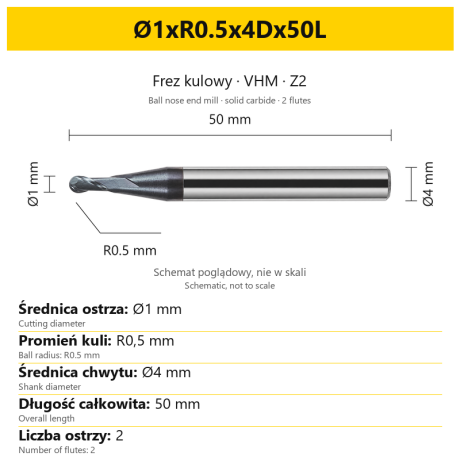
No. For example, Ø1xR0.5x4Dx50L has a cutting diameter of 1 mm and a shank diameter of 4 mm.
Where can I find flute length?
On the selected size card, in the “Flute length” row. The final L in the size designation means overall length.
Bestsellers
-
Bestseller
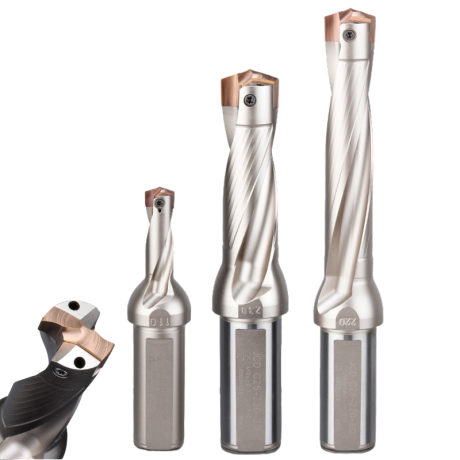
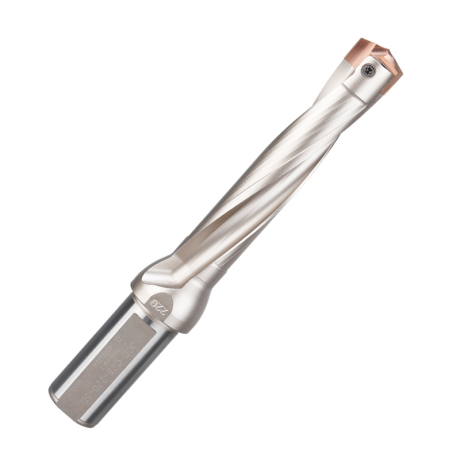
JCD modular drill with replaceable tip - internal cooling, for deep holes | GrotXD
JCD C20-100-3D Ø10~10.9 JCD C20-110-3D Ø11~11.9 JCD C20-120-3D Ø12~12.9 JCD C20-130-3D Ø13~13.9 JCD C20-140-3D Ø14~14.9 + 61 morePrice €69.52Price €56.52without VAT -
Price €17.09Price €13.90without VAT
-
Price €7.07Price €5.74without VAT
-
Price €7.52Price €6.12without VAT
-
Bestseller
 Other Accessories 0.00
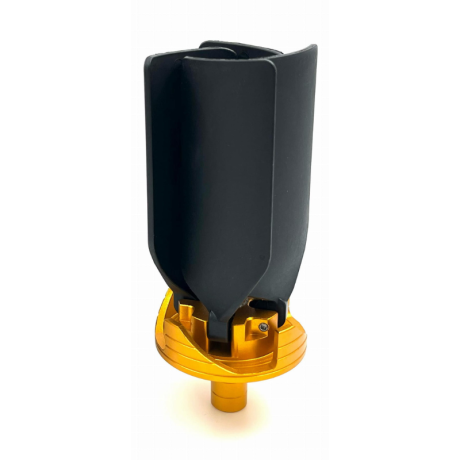
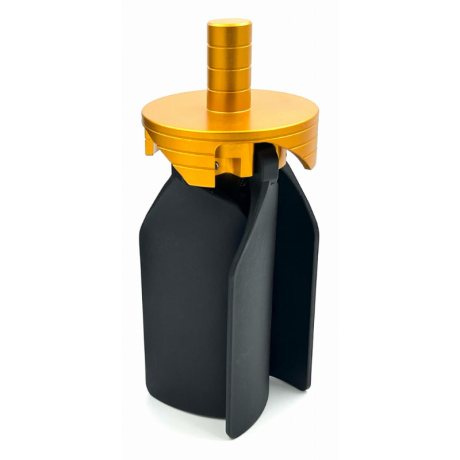
CNC Chip Fan / Chip Blower
Complete CNC chip fan Kit: blades, springs, pins and screwsPrice €53.56Price €43.55without VAT -
Bestseller
 Ball Nose End Mills 0.00
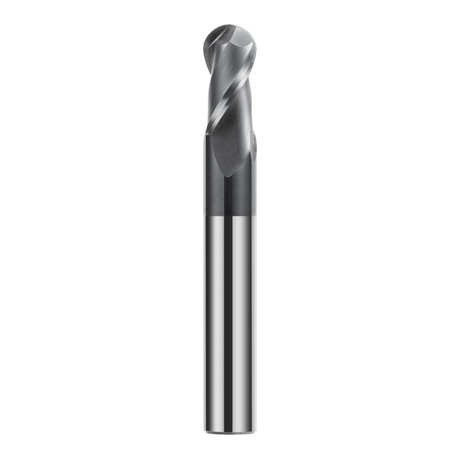
2-Flute Carbide Ball Nose End Mill - HYPERCUT
Ø1xR0.5x4Dx50L Ø1.5xR0.75x4Dx50L Ø2xR1x4Dx50L Ø2.5xR1.25x4Dx50L Ø3xR1.5x3Dx50L + 26 morePrice €10.09Price €8.21without VAT -
Bestseller
 2-Flute End Mills 0.00
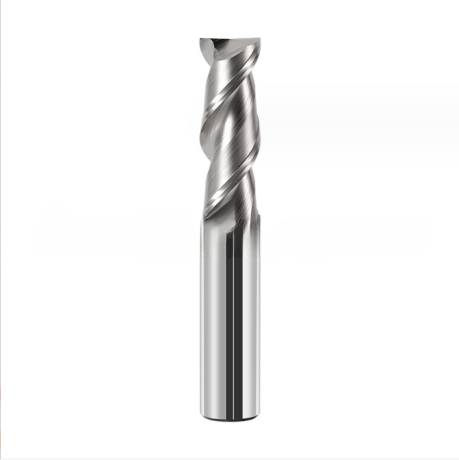
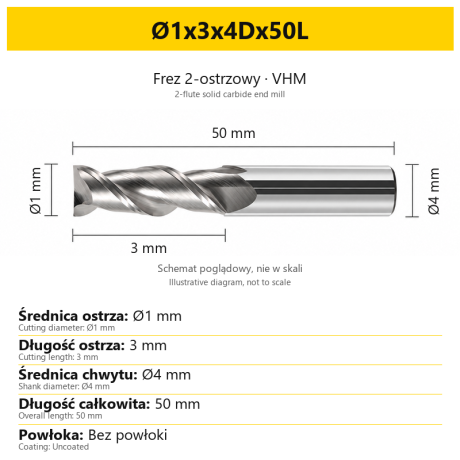
2-Flute Carbide End Mill for Aluminium
Ø1x3x4Dx50L Ø1.5x4x4Dx50L Ø2x6x4Dx50L Ø2.5x7.5x4Dx50L Ø3x9x3Dx50L + 31 morePrice €5.33Price €4.33without VAT -
Bestseller
 2-Flute End Mills 0.00
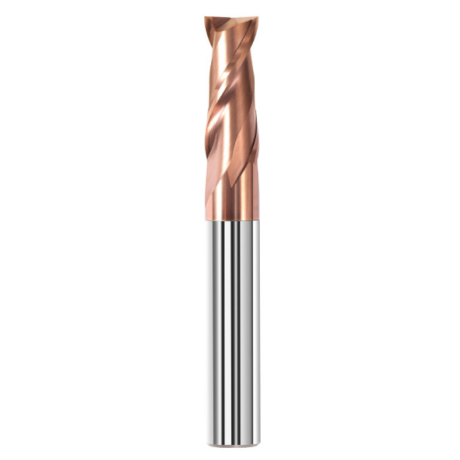
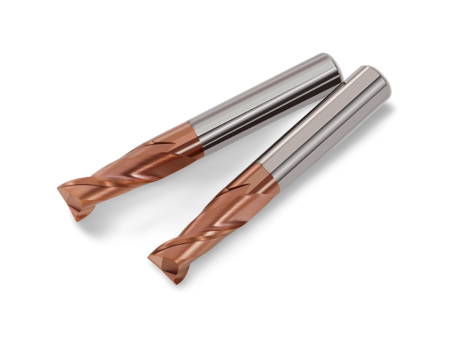
2-Flute Carbide End Mill for Steel 55 HRC - TiSiN - Solid Carbide
Ø6x24x6Dx75L Ø8x25x8Dx75L Ø4x20x4Dx100L Ø5x30x5Dx100L Ø6x30x6Dx100L + 31 morePrice €4.38Price €3.56without VAT -
Bestseller
 Ball Nose End Mills 0.00
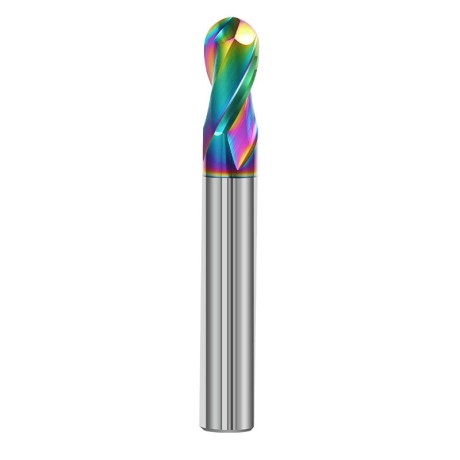
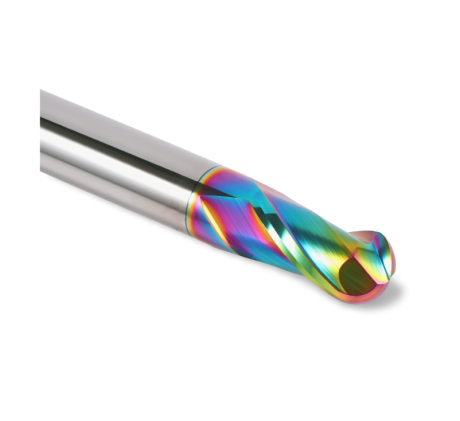
2-Flute DLC Coated Carbide Ball Nose End Mill| DuraEdge Alu
Ø1.0xR0.5x4Dx50L Ø1.5xR0.75x4Dx50L Ø2.0xR1x4Dx50L Ø2.5xR1.25x4Dx50L Ø3.0xR1.5x3Dx50L + 34 morePrice €7.85Price €6.38without VAT -
Bestseller
 2-Flute End Mills 0.00
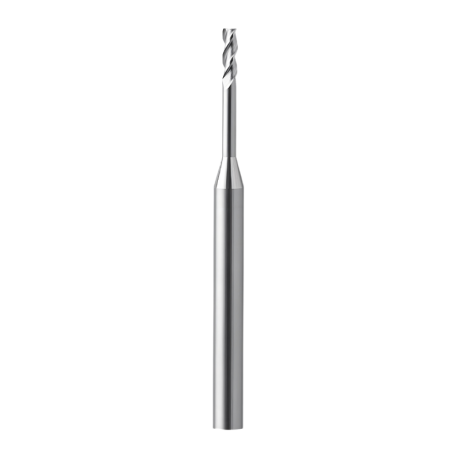
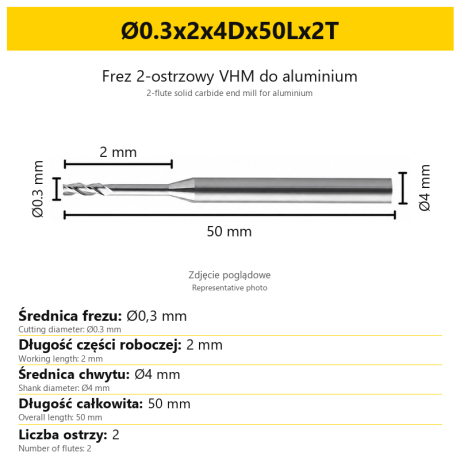
2-Flute End Mill for Aluminium | VHM | Miniature Ø0.3 - Ø0.9
Ø0.3x2x4Dx50Lx2T Ø0.3x3x4Dx50Lx2T Ø0.3x4x4Dx50Lx2T Ø0.4x2x4Dx50Lx2T Ø0.4x3x4Dx50Lx2T + 28 morePrice €7.95Price €6.47without VAT -
Bestseller
 Ball Nose End Mills 0.00
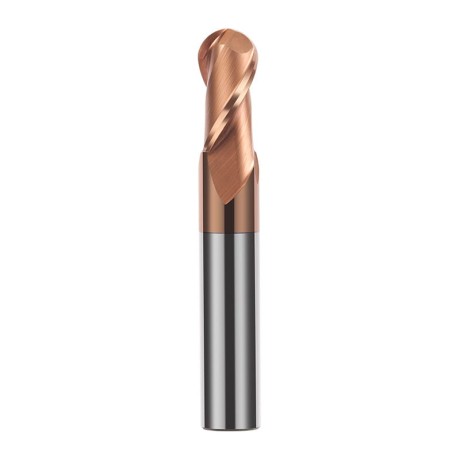
2-Flute TiSiN Coated Carbide Ball Nose End Mill
Ø1xR0.5x4Dx50L Ø1.5xR0.75x4Dx50L Ø2xR1x4Dx50L Ø2.5xR1.25x4Dx50L Ø3xR1.5x3Dx50L + 38 morePrice €7.24Price €5.89without VAT -
Bestseller
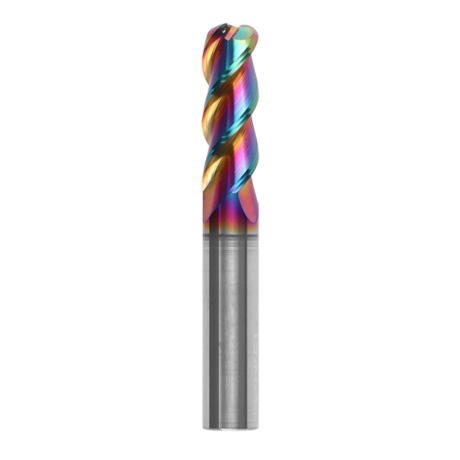
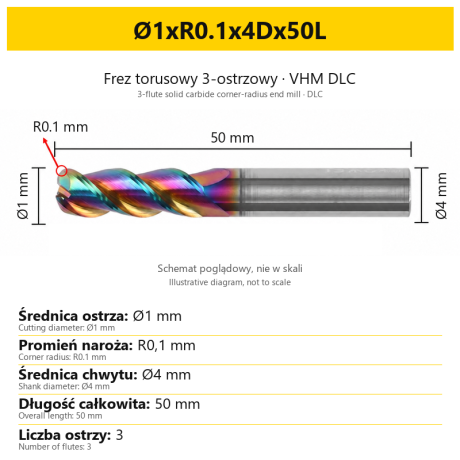
3-Flute Carbide Corner Radius End Mill for Aluminium| AL DLC
Ø1xR0.1x4Dx50L Ø1xR0.2x4Dx50L Ø1xR0.3x4Dx50L Ø1.5xR0.1x4Dx50L Ø1.5xR0.2x4Dx50L + 137 morePrice €5.89Price €4.79without VAT -
Bestseller
 3-Flute End Mills 0.00
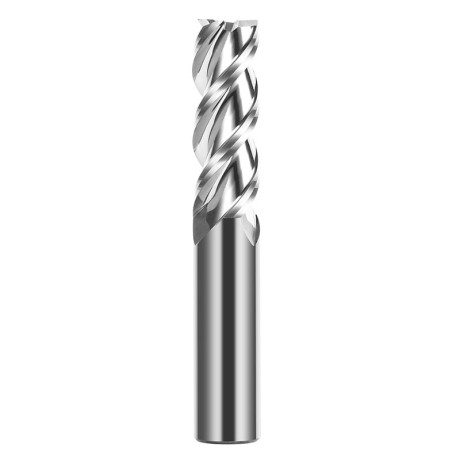
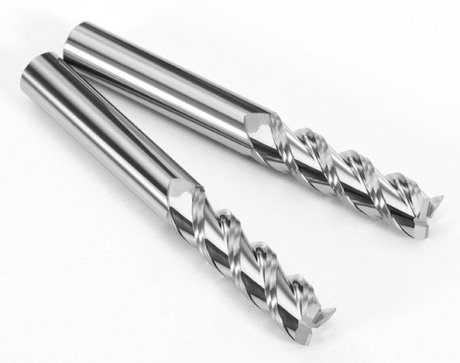
3-Flute Carbide End Mill VHM Z-3 for Aluminium| TriMill AL
Ø1x3xD4x50L Ø1.5x5x4Dx50L Ø2x6x4Dx50L Ø2.5x8x4Dx50L Ø3x9x3Dx50L + 41 morePrice €5.08Price €4.13without VAT -
Bestseller
 Countersinks 0.00
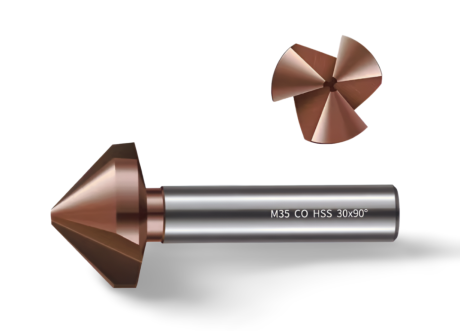
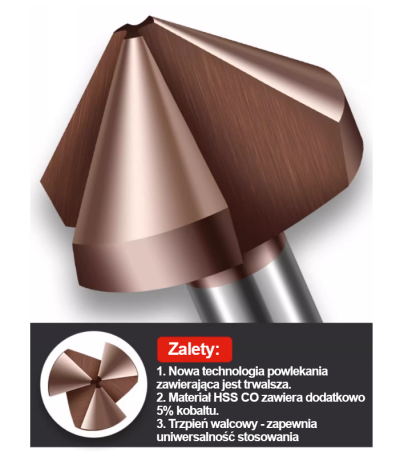
3-Flute Countersink Fi4.5-fi60, 90° - HSS-CO - 5% Kobaltu | Straight Shank
Ø4.5 x 4 x 90° x 40L Ø5 x 5 x 90° x 45L Ø6.3 x 5 x 90° x 45L Ø8.3 x 6 x 90° x 50L Ø10.4 x 6 x 90° x 50L + 12 morePrice €4.79Price €3.89without VAT -
Bestseller
 3-Flute End Mills 0.00
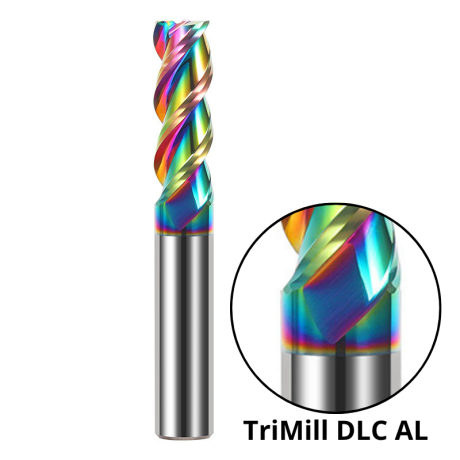
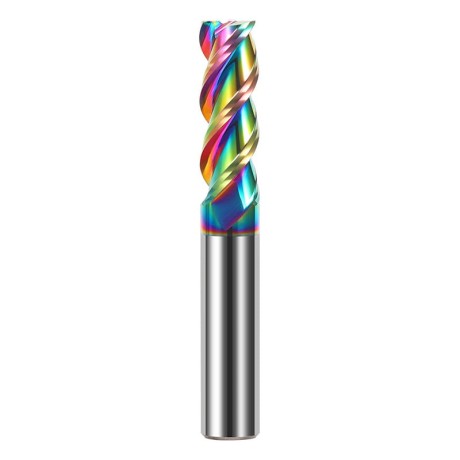
3-Flute DLC Coated Carbide End Mill | TriMill DLC AL
Ø1x3x4Dx50L Ø1.5x5x4Dx50L Ø2x6x4Dx50L Ø2.5x8x4Dx50L Ø3x8x3Dx50L + 38 morePrice €5.05Price €4.10without VAT -
Bestseller

 3-Flute End Mills 0.00
3-Flute HRC65 DLC Coated Carbide End Mill, U-Shaped Flute, for Aluminium | DuraEdge3 Alu
Ø1x3x4Dx50L Ø1.5x5x4Dx50L Ø2x6x4Dx50L Ø2.5x8x4Dx50L Ø3x9x3Dx50L + 40 morePrice €6.73Price €5.47without VAT