€705.27 incl. VAT
Lowest price in the 30 days before the reduction: €796.27
€573.39 excl. VAT
Choose variant









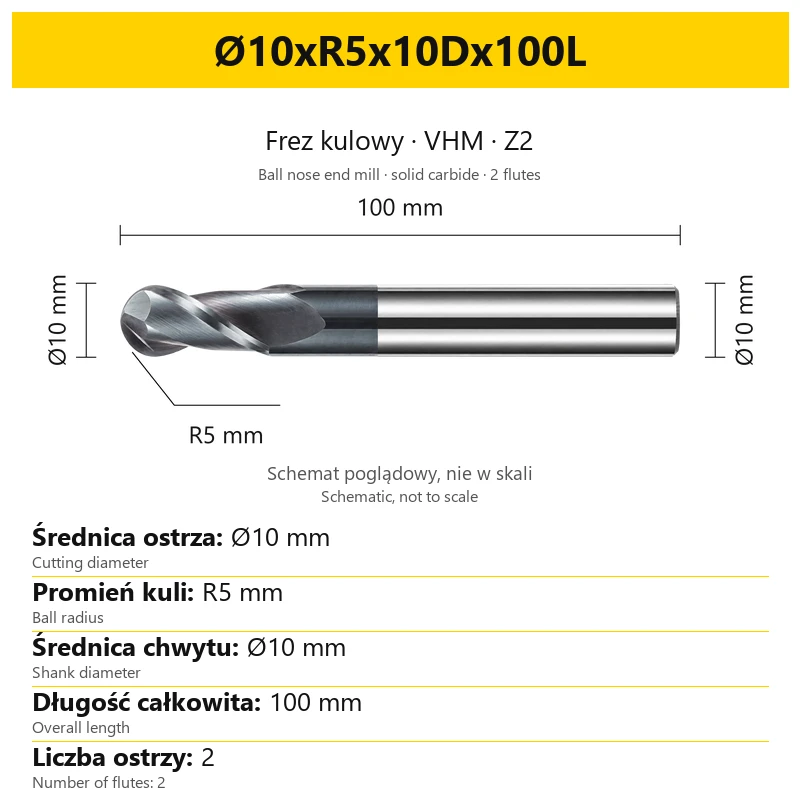


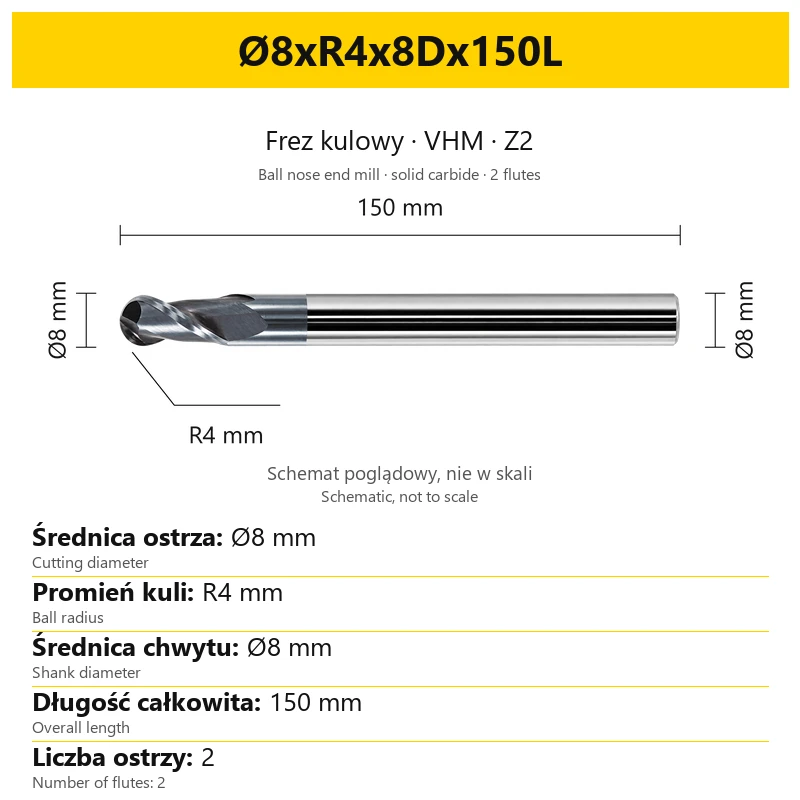
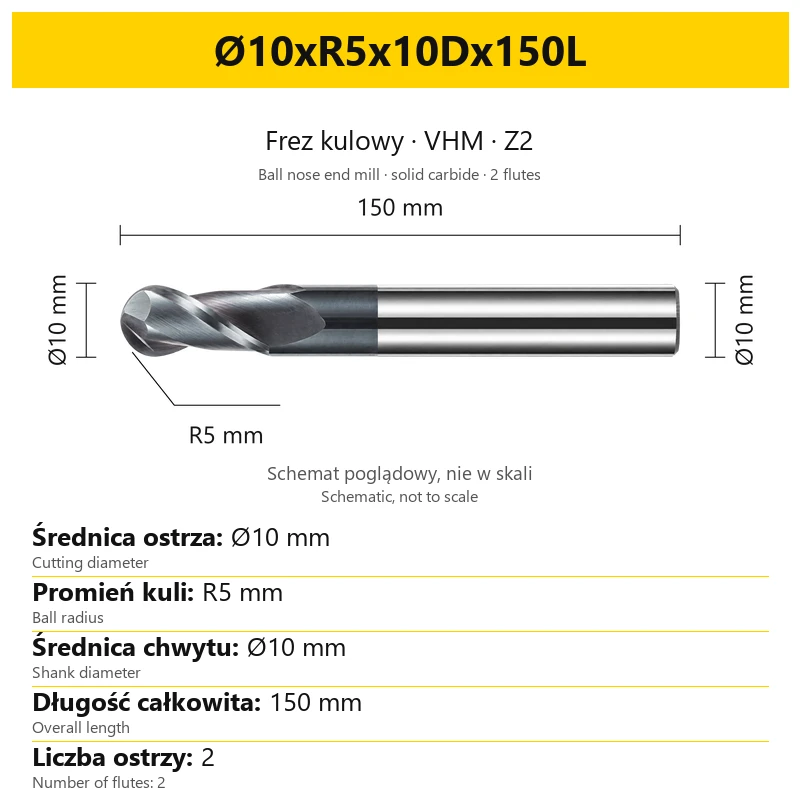
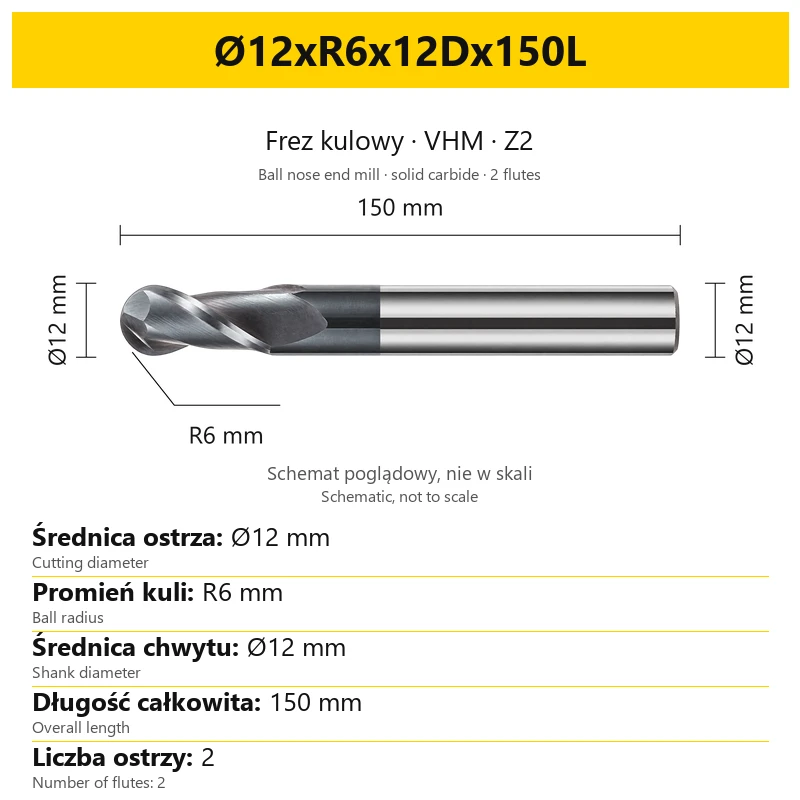


Shipping costs are not included in the price.
Shipping costs are not included in the price.

Weekly deals · −11%
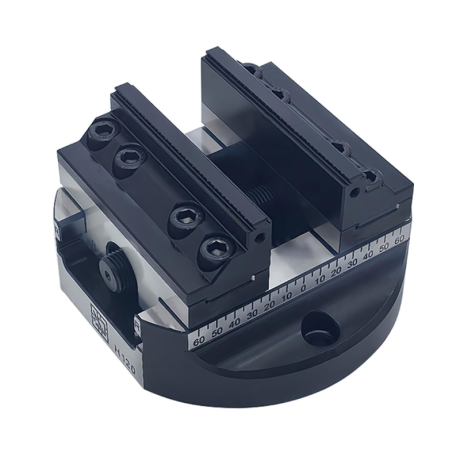
Self-centering machine vise. Hard jaws included.
€573.39 excl. VAT
Regular price: €796.27
Lowest price in the 30 days before the reduction: €796.27
Time left
Offer ends 06.11.2026 23:59. Offer applies to the vise + hard jaws bundle only.
Lowest price in the 30 days before the reduction: €796.27
€573.39 excl. VAT
Choose variant
Weekly deals · −5%
MFPN66-50-22-4T
€47.44 excl. VAT
Regular price: €61.43
Lowest price in the 30 days before the reduction: €61.43
Time left
Offer ends 06.11.2026 23:59.

Weekly deals · −5%
MFPN66-50-22-4T
€57.11 excl. VAT
Regular price: €73.94
Lowest price in the 30 days before the reduction: €73.94
Time left
Offer ends 06.11.2026 23:59.

The administrator of personal data is Kortools. We process it to respond to your inquiry. More information regarding the processing of personal data can be found in privacy policy.
Select a product variant:
Individual variants may differ in price
Product code: 5F6A-9455C
HYPERCUT Z2 solid carbide ball nose end mill
Two flutes · Alnovz3 coating · for steel, stainless steel and cast iron
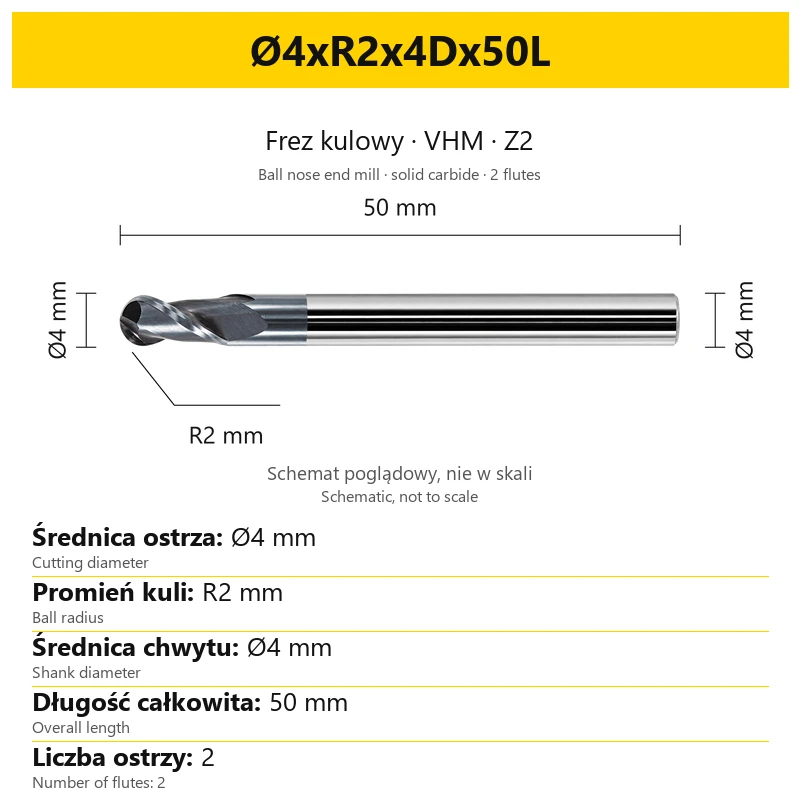
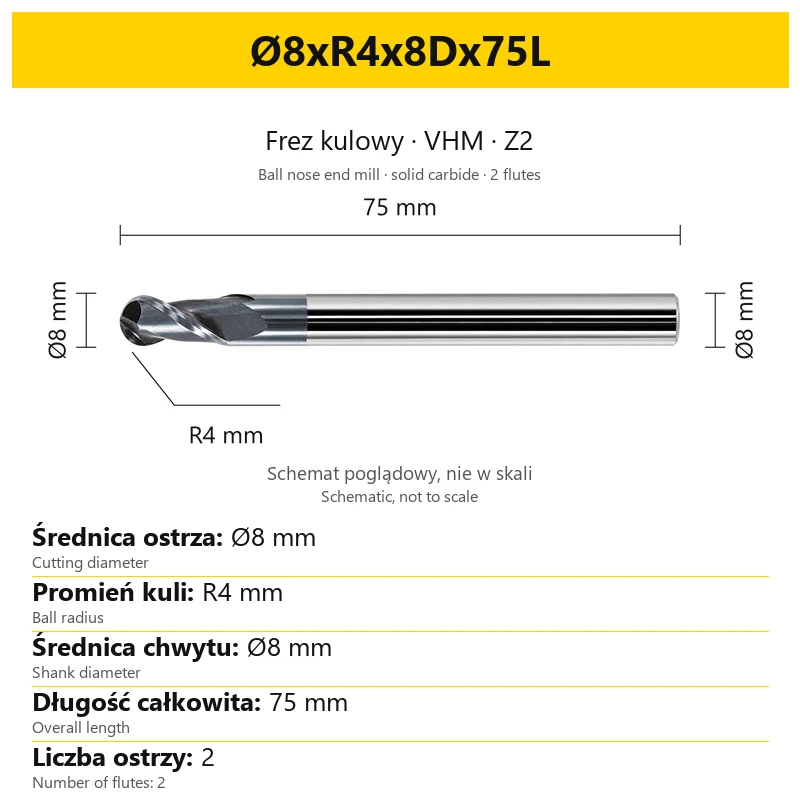
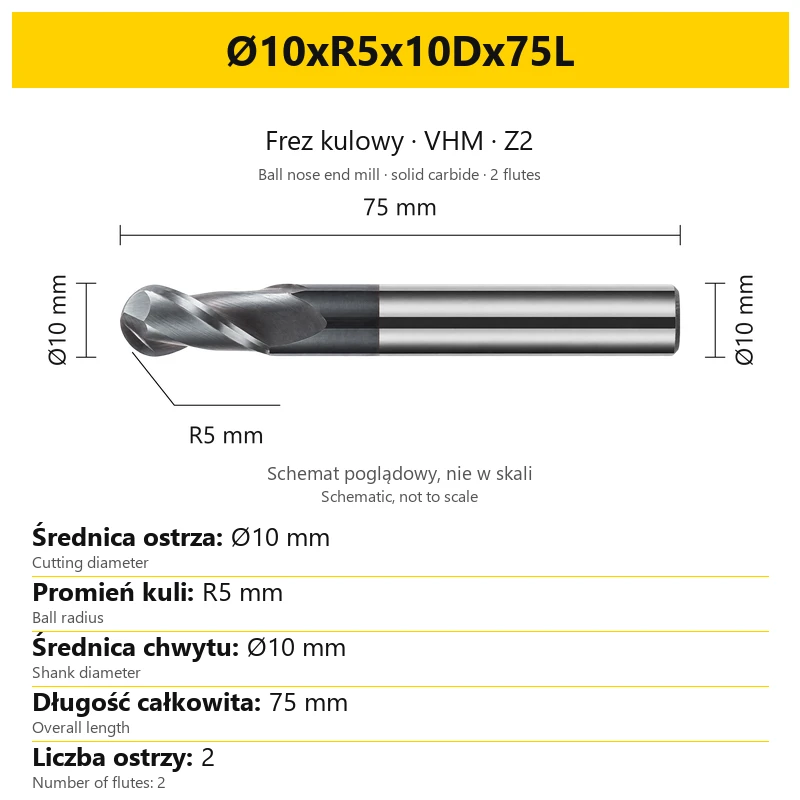
HYPERCUT is a two-flute solid carbide ball nose end mill with an Alnovz3 coating. Its rounded tip has a radius R equal to half the cutting diameter. The family includes different cutting diameters, shank diameters and overall lengths.
The tool is intended for machining centres, CNC milling machines and engraving machines equipped with a suitable spindle and tool holder. Steel, stainless steel and cast iron are its main workpiece materials. Choose the size from the workpiece geometry and the complete designation of the selected variant.
The end mill has a solid carbide body, a cylindrical shank and a ball nose cutting end. Its two cutting edges form the geometry designated Z2. Fully ground cutting edges and a multilayer Alnovz3 coating are features of this family.
| Feature | Specification |
|---|---|
| Tool type | Ball nose end mill |
| Series | HYPERCUT |
| Tool material | VHM — solid carbide |
| Number of flutes | 2 — Z2 |
| Tip geometry | Spherical; cutting diameter equals 2 × R |
| Coating | Multilayer Alnovz3 |
| Cutting edges | Fully ground |
| Shank | Cylindrical; diameter depends on the selected size |
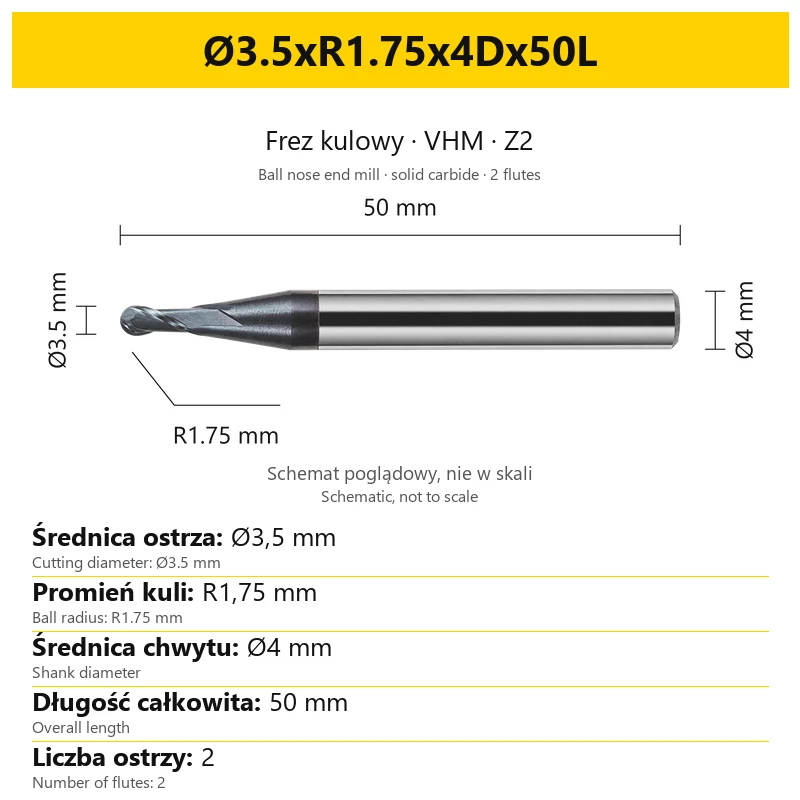
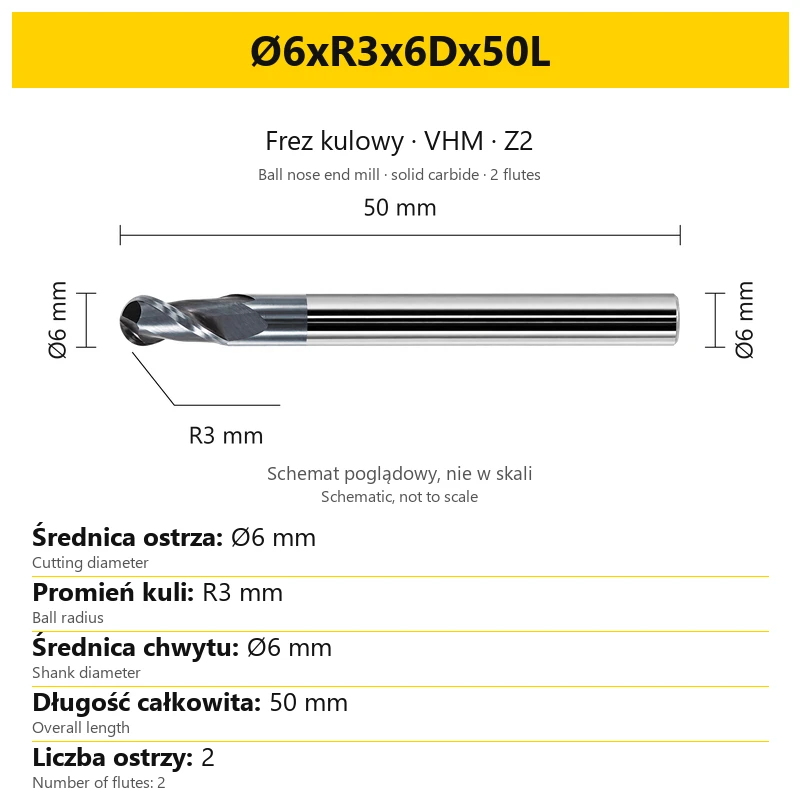
Radius R describes the spherical tip. When comparing tools, read it together with the cutting diameter: an R3 mm tip corresponds to a Ø6 mm cutting diameter. Shank diameter is a separate dimension, shown immediately before D in the size designation.
HYPERCUT is primarily intended for steel, stainless steel and cast iron. When selecting cutting conditions, consider the exact material grade and condition, followed by the tool diameter and the planned operation.
| Material group | Application |
|---|---|
| General and carbon steel | Milling steel components with cutting conditions selected for the material grade. |
| Alloy steel | Machining alloy steel parts; consider the condition of the workpiece material when setting parameters. |
| Stainless steel | One of the main application groups for HYPERCUT. |
| Cast iron | One of the main application groups for HYPERCUT. |
| Copper alloys | An additional application group; select conditions for the particular alloy. |
Alnovz3 coating is a common feature of the family. Size selection also depends on tool access and the radius required on the component. Establish the workpiece material and operation geometry before choosing spindle speed and feed rate.
The spherical tip allows surfaces and profiles to be machined using the tool radius. The CNC program must account for the actual tip shape so that the tool centre path corresponds to the intended workpiece geometry.
| Operation | Selection consideration |
|---|---|
| Surface and profile milling | Enter the ball nose geometry and the correct radius R in the machining program. |
| Side milling | Check access to the wall and clearance for the shank and tool holder. |
| Slots and U-shaped channels | The spherical tip produces a rounded bottom profile; match the tool radius to the channel geometry. |
| Helical hole milling | Use a programmed helical path and a tool diameter appropriate for the required hole size. |
Slotting, side milling and surface machining engage the cutting edges differently. Select cutting conditions for the planned operation. Also consider how chips will be removed from the cutting area.
| Parameter | Range or available lengths |
|---|---|
| Cutting diameter | Ø1–20 mm |
| Ball nose radius | R0.5–10 mm |
| Shank diameter | Ø3–20 mm |
| Overall length | 50, 60, 75, 100 or 150 mm |
These ranges describe the tool family. Select the specific combination of cutting diameter, radius, shank and length in the variant selector. The same ball radius can be available with different shank diameters or overall lengths.
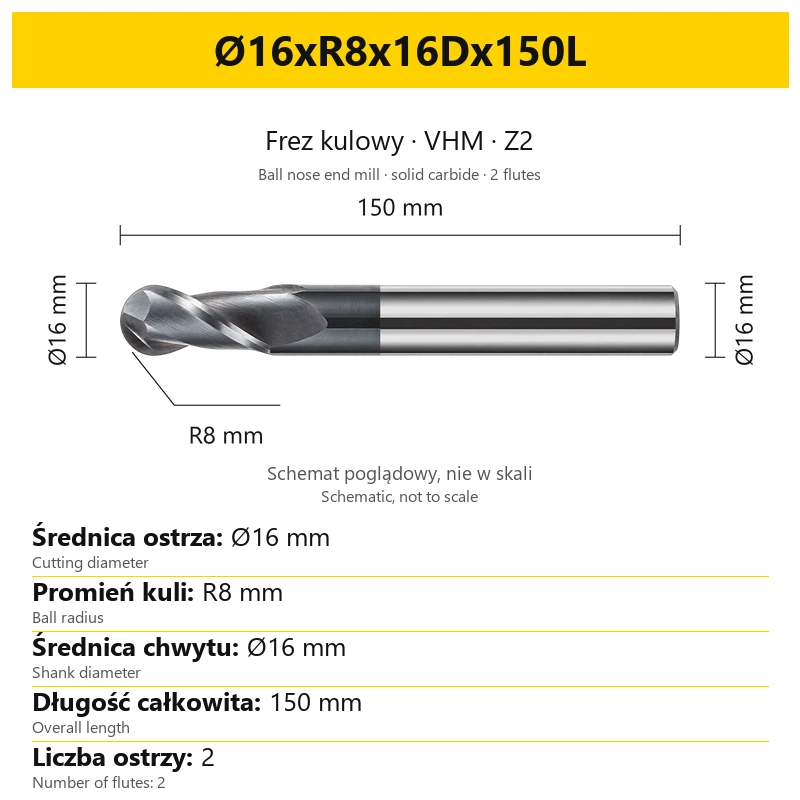
Overall length L covers the complete tool, from the ball tip to the end of the shank. When planning access to the workpiece, account for the part held inside the holder and the actual tool overhang. Overall length does not specify the active cutting edge length.
The Ø5xR2.5x5Dx75L variant has a 10 mm cutting length. This is the cutting portion length for that size, separate from its 75 mm overall length.
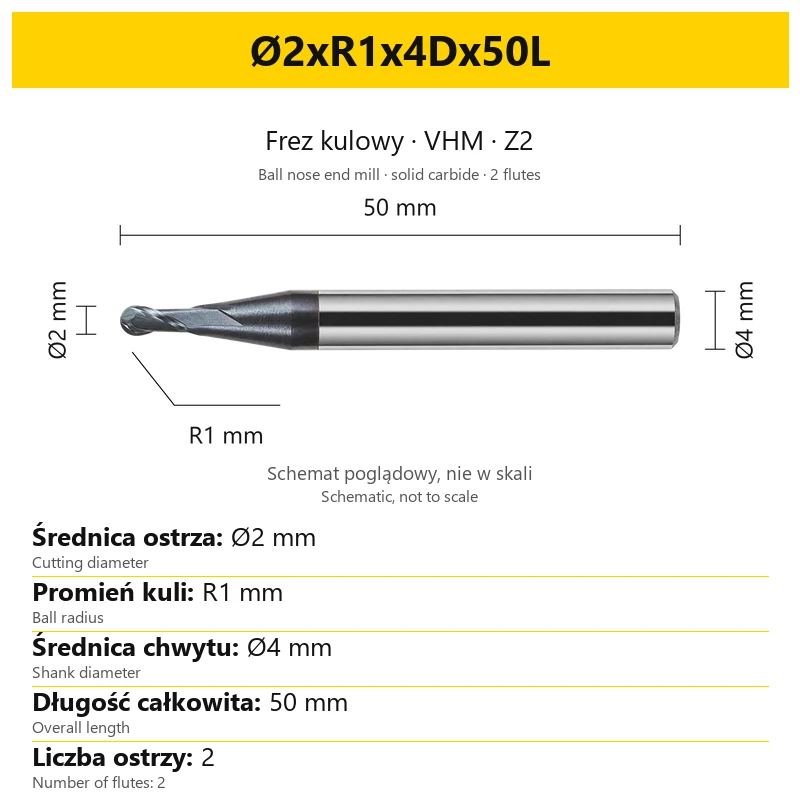
The example Ø6xR3x6Dx50L describes four dimensions of the same end mill. Their order identifies the cutting diameter, ball radius, shank diameter and overall length separately.
| Code element | Meaning | Example value |
|---|---|---|
| Ø6 | Cutting diameter | 6 mm |
| R3 | Ball nose radius | 3 mm |
| 6D | Cylindrical shank diameter | 6 mm |
| 50L | Overall tool length | 50 mm |
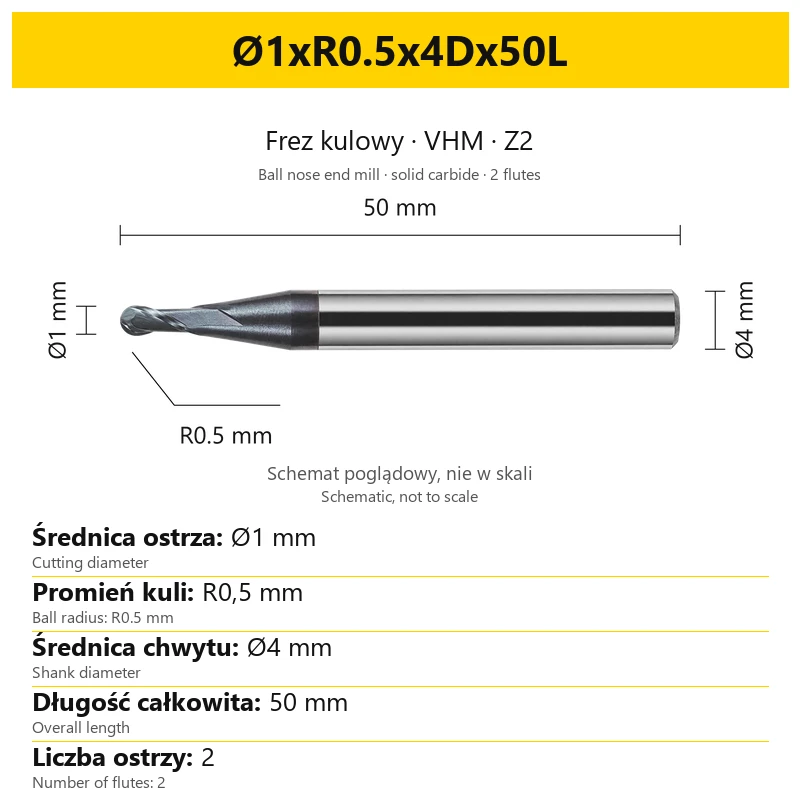
Decimal values in the size names use a dot, for example R0.5. This designation means a ball radius of 0.5 mm. The number after R is a radius, so the corresponding cutting diameter is twice that value.
If a longer end mill is required, choosing L alone does not complete the selection. The overhang after clamping should correspond to the access needed. As overhang increases, matching speed and feed to the actual cutting conditions becomes more significant.
Before machining, prepare the tool clamping, workpiece fixture and a program matching the selected tool size. Select cutting conditions for the material, diameter, overhang and operation.
A ball nose milling program must contain the correct tip radius. The selected size, the tool installed in the spindle and the geometry entered in the program must correspond before machining starts.
Z2 identifies two cutting edges. This HYPERCUT family consists of two-flute ball nose end mills.
R3 means a ball radius of 3 mm. The corresponding cutting diameter is 6 mm.
The tool has a multilayer Alnovz3 coating. Its body is made of solid carbide, also designated VHM.
Yes. Stainless steel is one of the main application groups, together with steel and cast iron. Select cutting conditions for the material grade and operation.
Shank diameter is shown before D. For example, 6D means a Ø6 mm shank. This dimension can differ from the cutting diameter.
50L means an overall length of 50 mm. It covers the complete tool, including the shank, and does not designate cutting length.


Cookies and related technologies allow the website to function properly and help us adjust the offer to your needs. You can choose to accept our use of all these files and go to the store, or adapt the use of files to your preferences by selecting "Customize Consents".
Here you can define your preferences regarding the use of cookies.
These files are necessary for our website to function so they can't be switched off.
These files allow you to use other functions of the website (other than those necessary for its functioning). Enabling these files will give you access to the full functionality of the website.
These files allow us to analyze our online store, which may contribute to its better functioning and adaptation to the needs of our Users.
With these files, we can conduct marketing activities.