

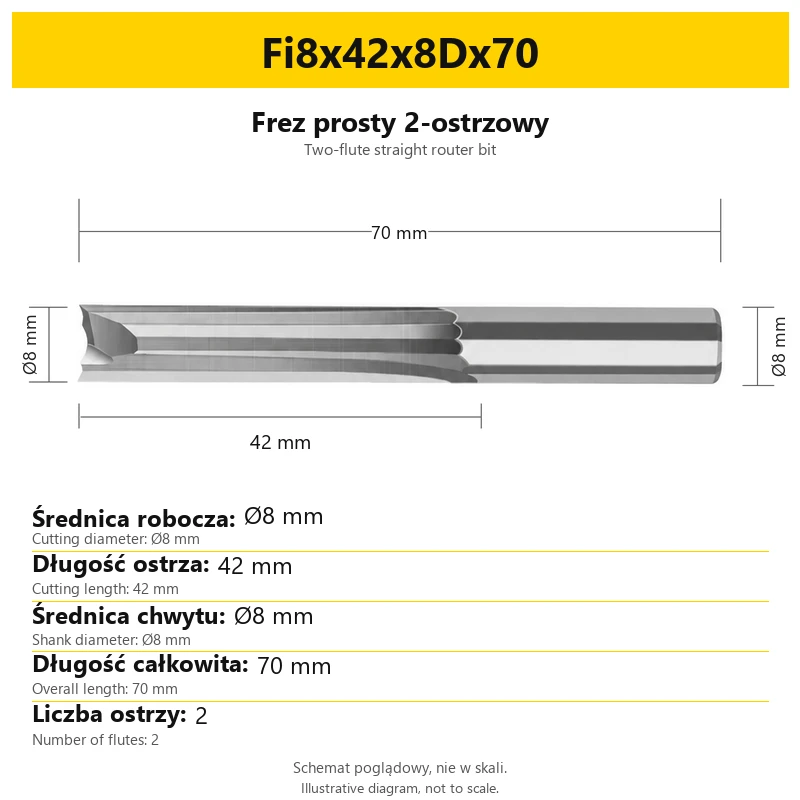


Milling cutter 2 VHM blades, carbide, for wood foam, plywood, MDF, Acrylic, wear-resistant
Shipping costs are not included in the price.
Shipping costs are not included in the price.

Weekly deals
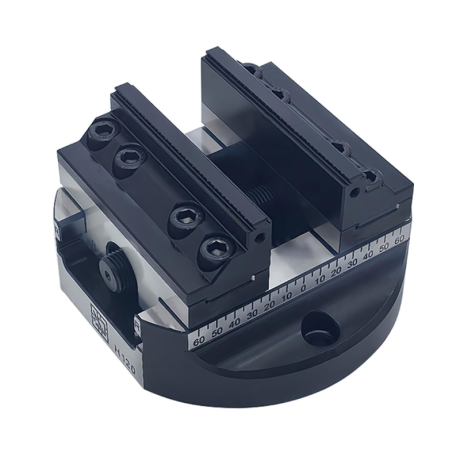
5-axis vise with hard jaws
Self-centering machine vise. Hard jaws included.
excl. VAT
Regular price:
Lowest price in the 30 days before the reduction:
Time left
Offer ends 06.11.2026 23:59. Offer applies to the vise + hard jaws bundle only.
Ask about the product

The administrator of personal data is Kortools. We process it to respond to your inquiry. More information regarding the processing of personal data can be found in privacy policy.
Select a product variant:
Individual variants may differ in price
Product code: 878C-580E4
Product description
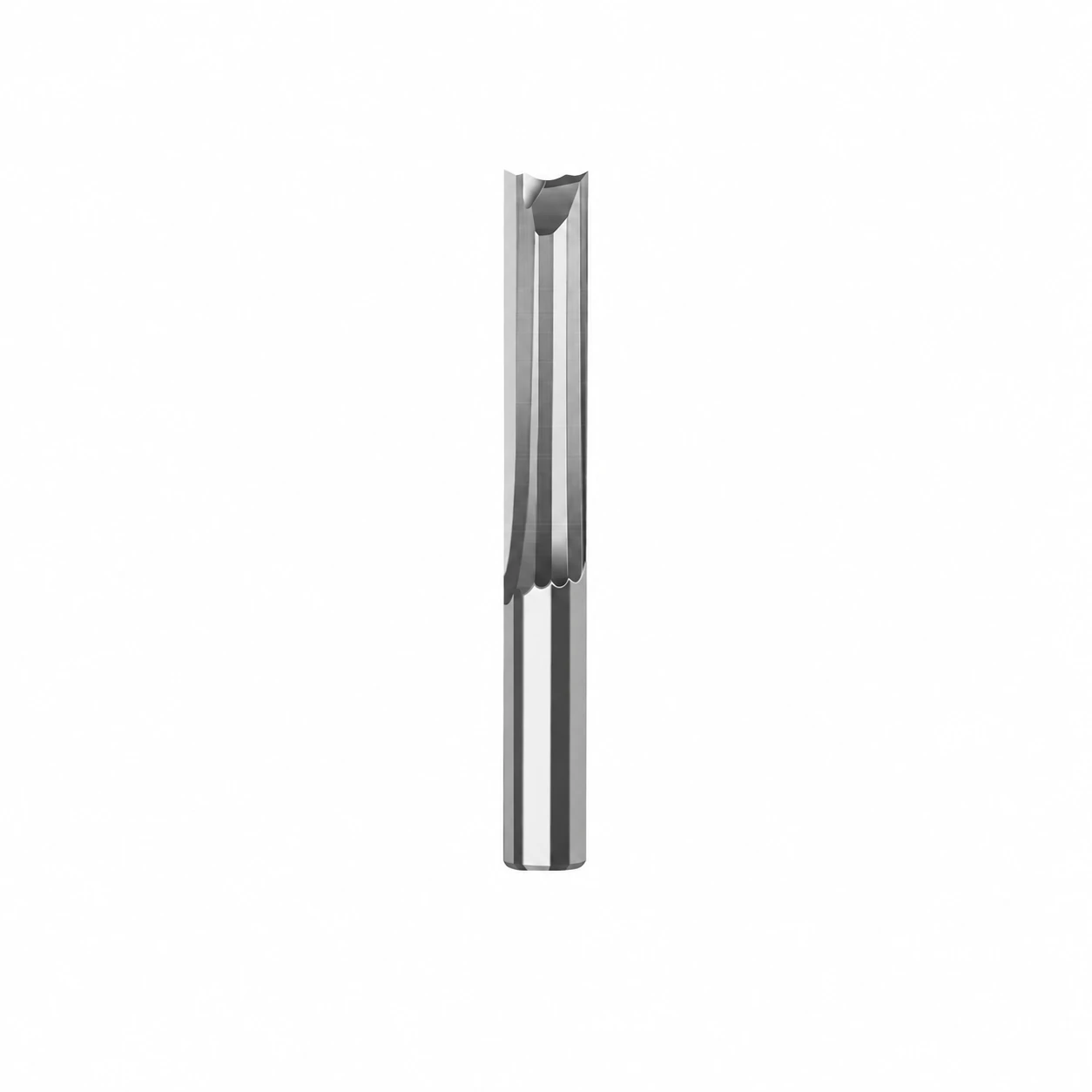
Two-flute straight router bit · solid tungsten carbide
For wood, MDF, plywood and wood-based panels
A solid tungsten carbide router bit with two straight cutting edges and straight flutes. It is used for cutting, grooving and routing wood and wood-based panels on CNC and engraving machines. The cutting section has ground and polished surfaces, and the flutes provide space for chip evacuation.
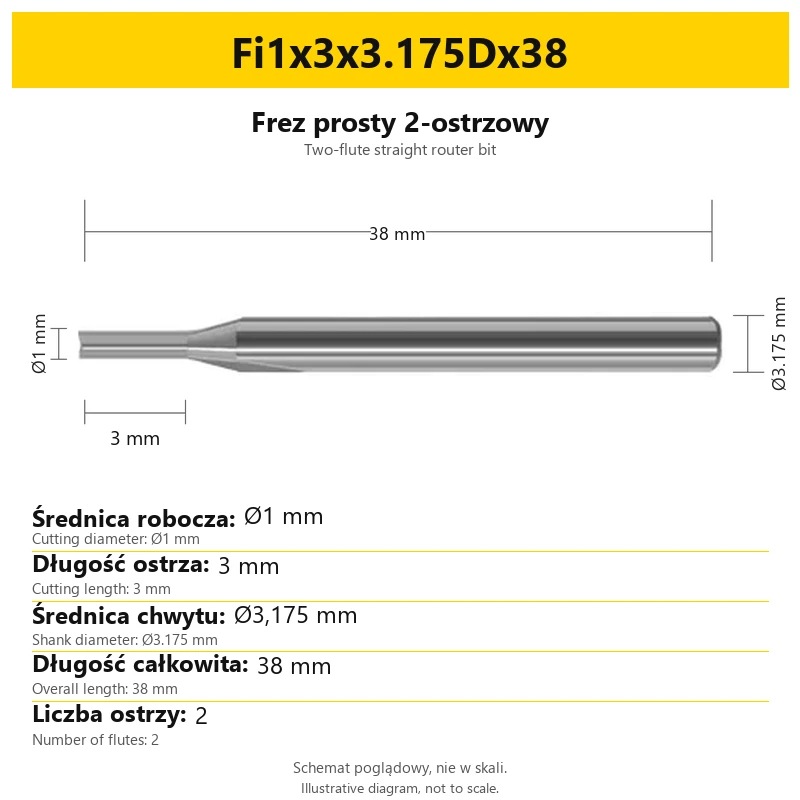
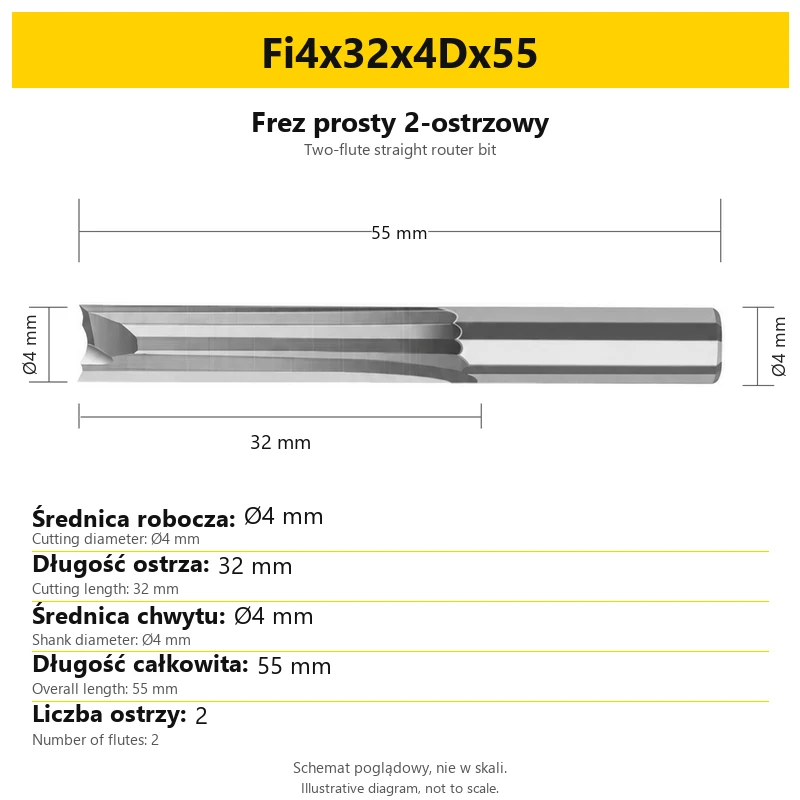
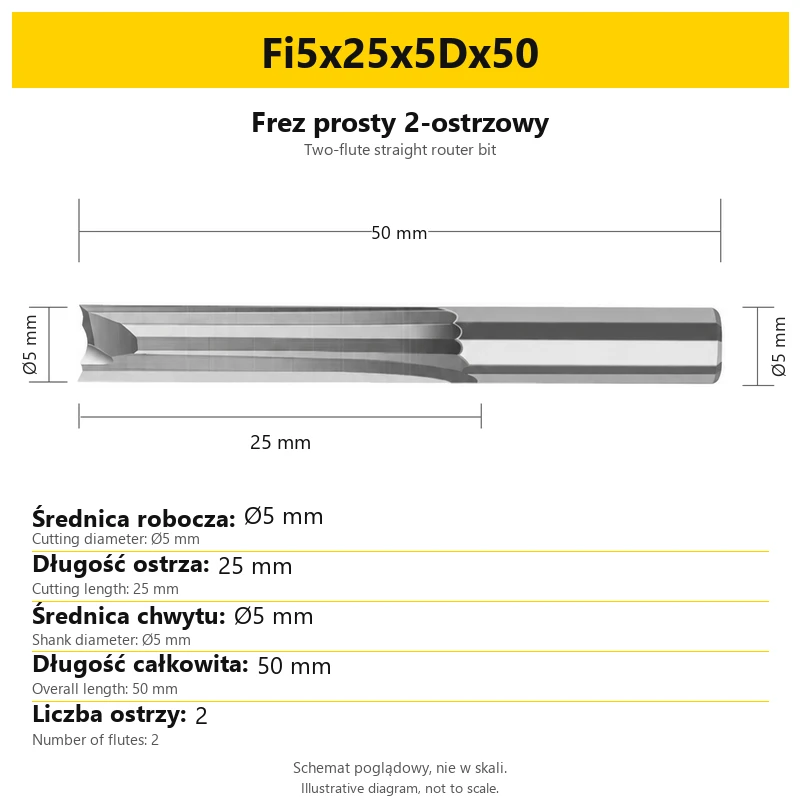
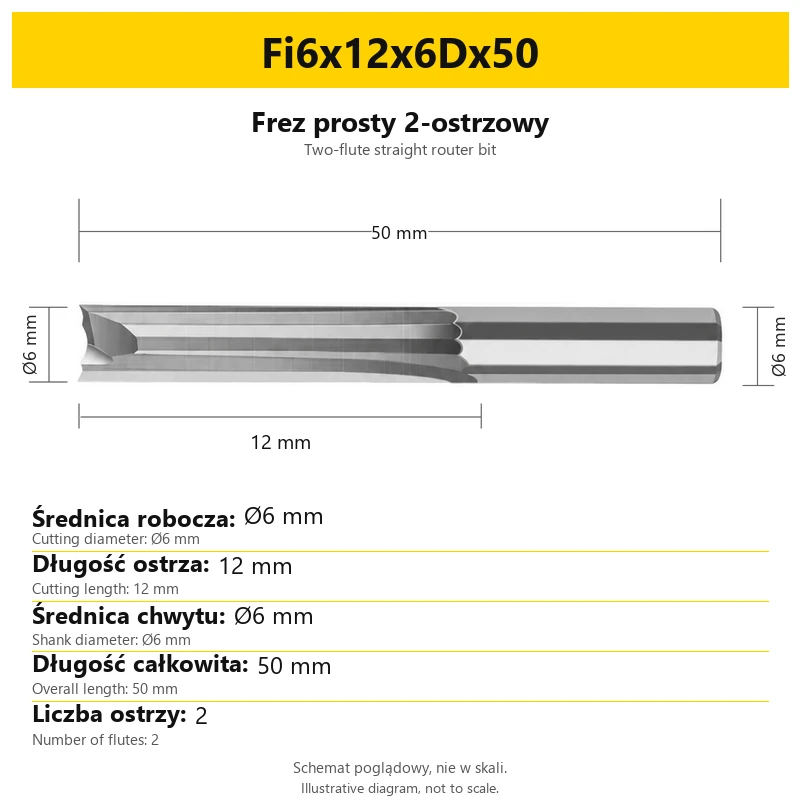
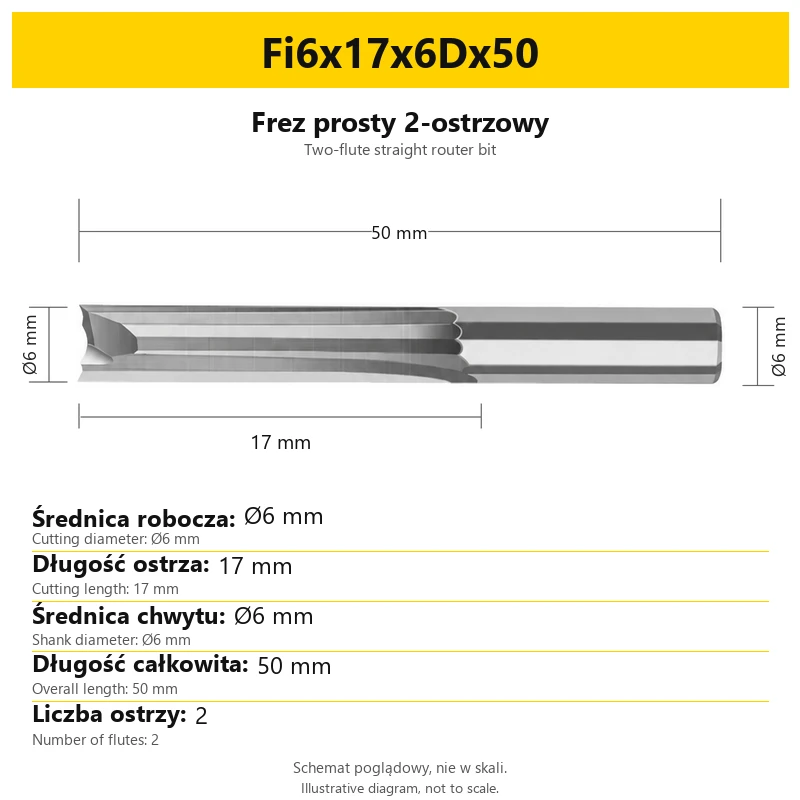
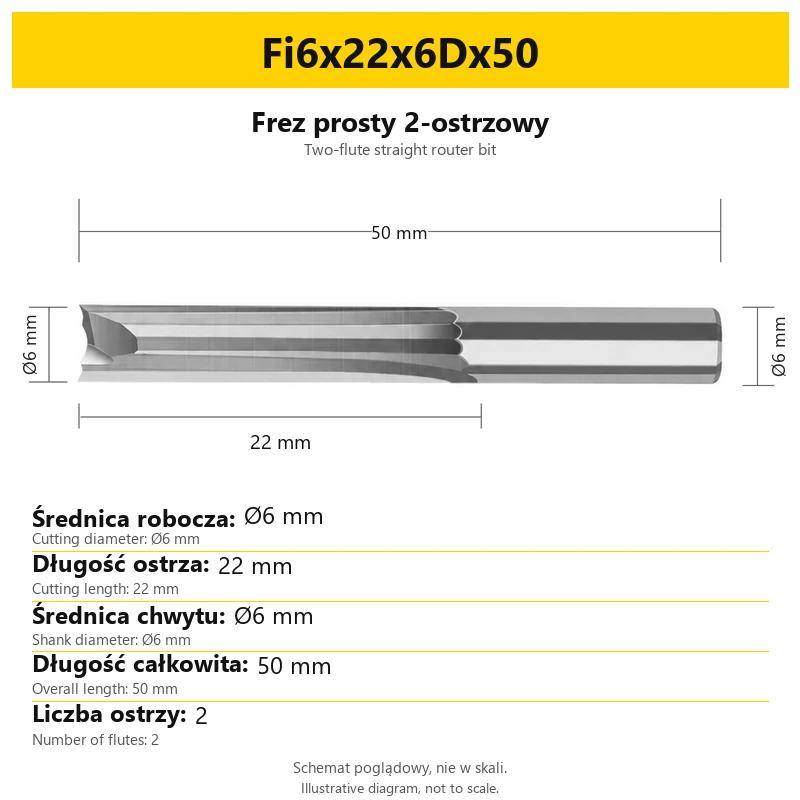
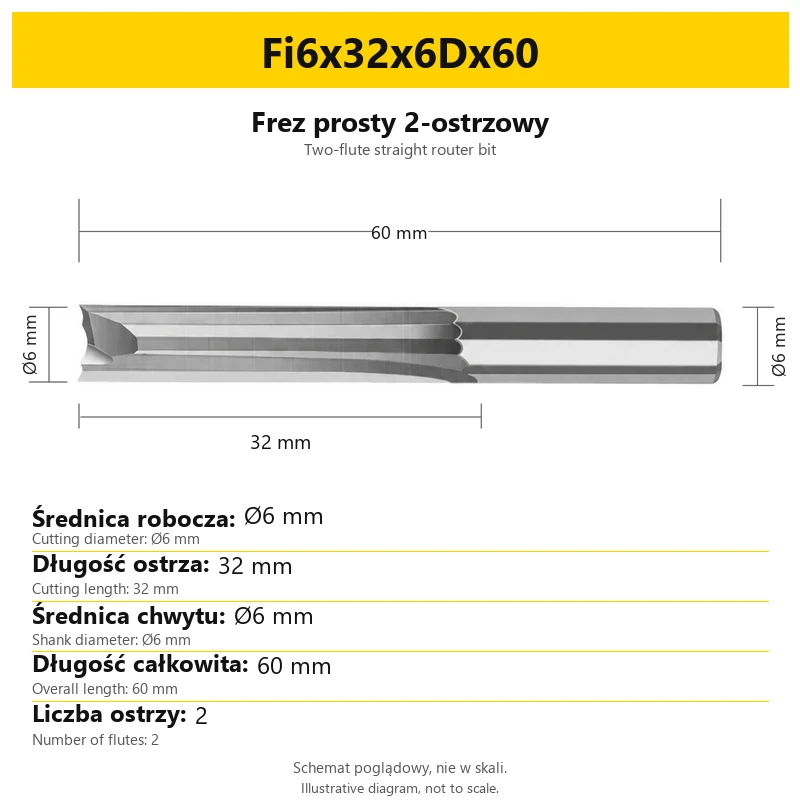
Select the size by its cutting diameter, cutting length, shank diameter and overall length. These dimensions describe different parts of the tool. Their values are shown in the selected variant designation and on its corresponding dimension card.
1. Applications and workpiece materials
The straight cutting edges and flutes are intended for materials used in woodworking and for decorative and sign-making components. Choosing a particular bit requires matching its diameter and cutting length to the planned operation.
| Material | Application |
|---|---|
| Solid wood | Cutting, grooving and routing wooden components. |
| MDF and fibreboard | Machining panels, including medium- and lower-density fibreboard. |
| Plywood and multilayer panels | Cutting and grooving layered wood-based materials. |
| Other wood-based panels | Machining composite and wood-core panels, with cutting length selected for the material thickness. |
| Acrylic and PVC | Cutting, grooving and routing with conditions selected for the particular plastic and machine. |
The workpiece material and planned operation are the starting points for selecting a size. Matching the cutting diameter alone does not replace checking the cutting length and shank size.
2. Construction and technical specifications
| Parameter | Value |
|---|---|
| Tool type | Straight router bit for cutting, grooving and routing |
| Tool material | Solid tungsten carbide |
| Number of flutes | 2 |
| Flutes | Straight |
| Cutting diameter | Ø1–8 mm, depending on the variant |
| Cutting length | 3–42 mm, depending on the variant |
| Shank type | Cylindrical |
| Shank diameters | Ø3.175; Ø4; Ø5; Ø6; Ø8 mm |
| Overall length | 38–70 mm, depending on the variant |
The ranges describe the tool family. Read the available combinations of diameter, cutting length and shank size from the product selector. Not every combination of values in the table represents a separate size.
3. How to read the designation and dimensions
The example code Fi6x17x6Dx50 contains four dimensions. The designation gives the cutting diameter, cutting length, shank diameter and overall length, in that order.
| Code element | Meaning |
|---|---|
| Fi6 | Ø6 mm cutting diameter. |
| 17 | 17 mm cutting length. |
| 6D | Ø6 mm shank diameter. |
| 50 | 50 mm overall length. |
Cutting length and overall length are separate dimensions. The first describes the cutting section; the second describes the complete tool from its tip to the end of its shank. Cutting diameter refers to the section machining the workpiece, while shank diameter is used to select the mounting size.
4. Selecting cutting length for panel cutting
For panel cutting, select a cutting length 2–5 mm greater than the material thickness, taking the available tool dimensions into account. This recommendation concerns the cutting section, rather than the overall length of the bit.
- Establish the panel thickness. Compare it with the cutting length shown on the selected bit card.
- Allow the 2–5 mm difference. Match the cutting section to the panel thickness and an available size.
- Avoid an unnecessarily long cutting section. Excessive cutting length increases the risk of tool breakage.
5. Mounting and machine type
The bit has a cylindrical shank. Select the collet or holder to match the shank diameter of the particular variant. The shank and cutting diameters may differ, so check both dimensions before mounting.
| Machine type | What to check |
|---|---|
| CNC router or sign-making engraving machine | Mounting compatibility with the shank diameter, together with the cutting diameter and length required for the planned operation. |
| Woodworking engraving machine / wood CNC router | Suitability of the selected size for the machine holder and workpiece. |
The machine type does not replace checking its mounting system. Final selection requires the shank and bit dimensions to be compatible with the operating range and instructions of the particular machine.
6. Selecting a variant
- Start with the material and operation. Establish whether you are cutting a panel, making a groove or routing a selected shape.
- Select the cutting diameter. Compare it with the dimensions of the feature to be machined.
- Check the cutting section and shank. The cutting length must suit the planned operation, and the shank diameter must match the mounting system.
- Compare the full code with the card. Also check the overall length and the values displayed after selecting a size.
7. What you are ordering and how to use the cards
| Item | Scope |
|---|---|
| Sales unit | 1 two-flute straight router bit |
| Tool size | As specified by the variant selected in the product selector |
The quantity field specifies the number of pieces of the selected size. Photos showing several tools illustrate the bit family; the order is for the selected variant.
8. Frequently asked questions
How many cutting edges does the bit have, and what are its flutes like?
The bit has two cutting edges and straight flutes. It is made from solid tungsten carbide.
How should I select cutting length for a panel?
For panel cutting, choose a cutting length 2–5 mm greater than the material thickness, taking the available sizes into account. An unnecessarily long cutting section increases the risk of breakage.
Is cutting diameter always equal to shank diameter?
No. Read both dimensions from the designation and variant card. The shank diameter determines the mounting size; cutting diameter refers to the cutting section.
Where can I check the overall length?
On the specific variant card and in its designation. It is the length of the complete tool and is separate from cutting length.
Bestsellers
-
Bestseller
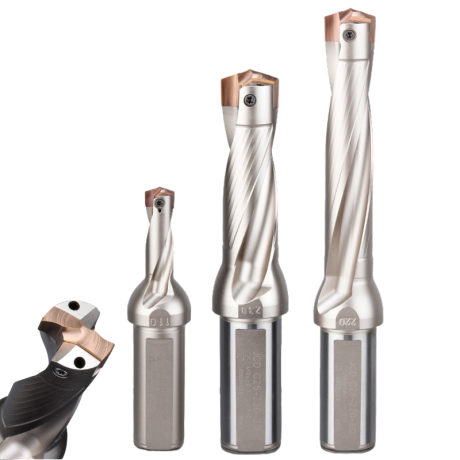
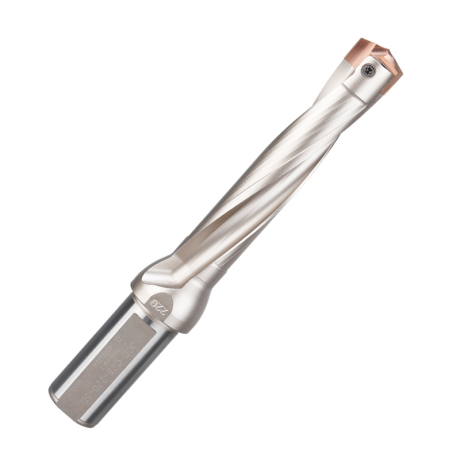
JCD modular drill with replaceable tip - internal cooling, for deep holes | GrotXD
JCD C20-100-3D Ø10~10.9 JCD C20-110-3D Ø11~11.9 JCD C20-120-3D Ø12~12.9 JCD C20-130-3D Ø13~13.9 JCD C20-140-3D Ø14~14.9 + 61 morePrice €69.52Price €56.52without VAT -
Price €17.09Price €13.90without VAT
-
Price €7.07Price €5.74without VAT
-
Price €7.52Price €6.12without VAT
-
Bestseller
 Other Accessories 0.00
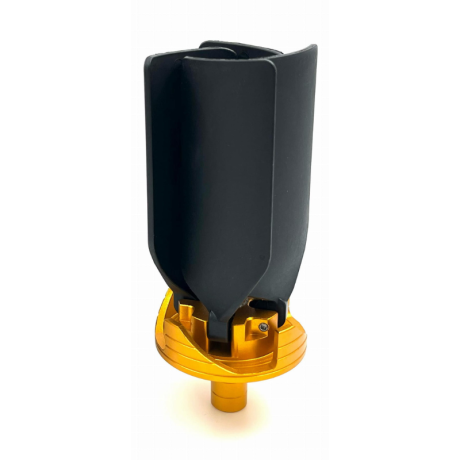
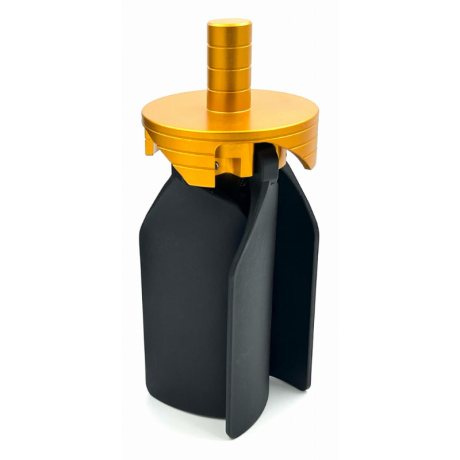
CNC Chip Fan / Chip Blower
Complete CNC chip fan Kit: blades, springs, pins and screwsPrice €53.56Price €43.55without VAT -
Bestseller
 Ball Nose End Mills 0.00
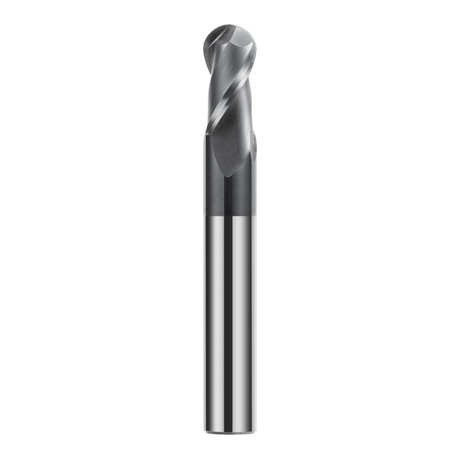
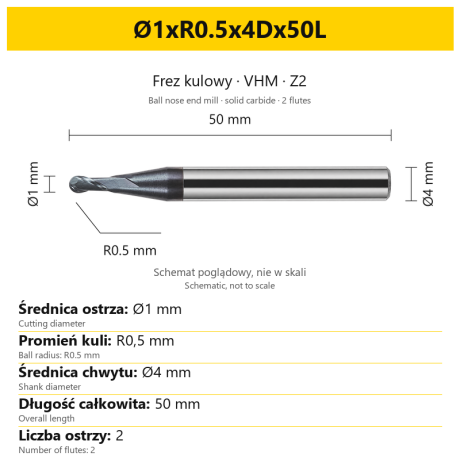
2-Flute Carbide Ball Nose End Mill - HYPERCUT
Ø1xR0.5x4Dx50L Ø1.5xR0.75x4Dx50L Ø2xR1x4Dx50L Ø2.5xR1.25x4Dx50L Ø3xR1.5x3Dx50L + 26 morePrice €10.09Price €8.21without VAT -
Bestseller
 2-Flute End Mills 0.00
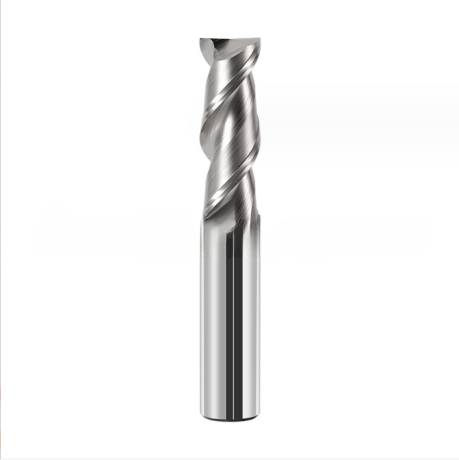
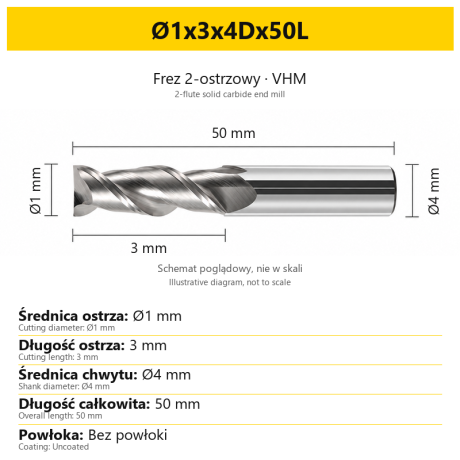
2-Flute Carbide End Mill for Aluminium
Ø1x3x4Dx50L Ø1.5x4x4Dx50L Ø2x6x4Dx50L Ø2.5x7.5x4Dx50L Ø3x9x3Dx50L + 31 morePrice €5.33Price €4.33without VAT -
Bestseller
 2-Flute End Mills 0.00
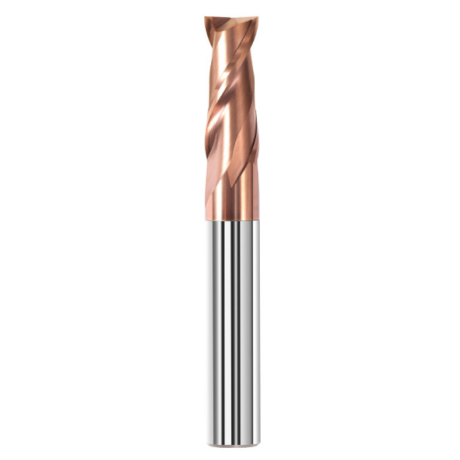
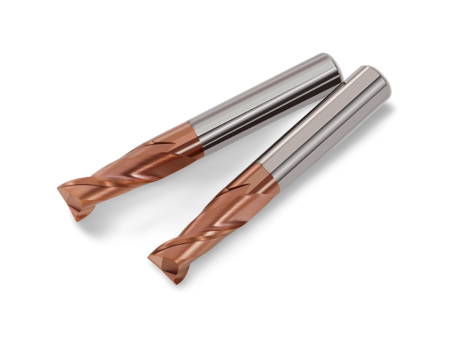
2-Flute Carbide End Mill for Steel 55 HRC - TiSiN - Solid Carbide
Ø6x24x6Dx75L Ø8x25x8Dx75L Ø4x20x4Dx100L Ø5x30x5Dx100L Ø6x30x6Dx100L + 31 morePrice €4.38Price €3.56without VAT -
Bestseller
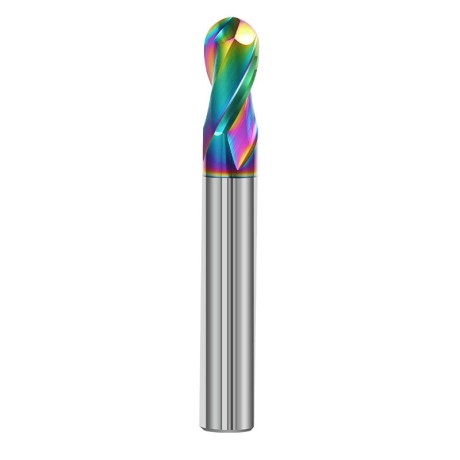
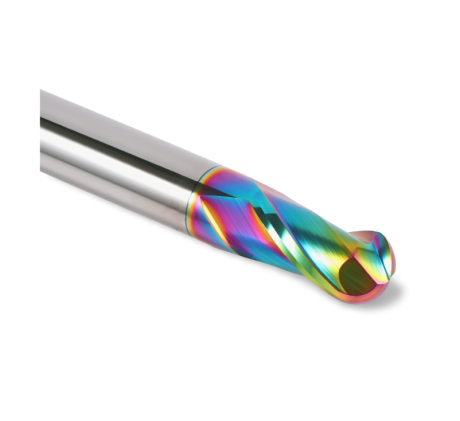 Ball Nose End Mills 0.00
2-Flute DLC Coated Carbide Ball Nose End Mill| DuraEdge Alu
Ø1.0xR0.5x4Dx50L Ø1.5xR0.75x4Dx50L Ø2.0xR1x4Dx50L Ø2.5xR1.25x4Dx50L Ø3.0xR1.5x3Dx50L + 34 morePrice €7.85Price €6.38without VAT -
Bestseller
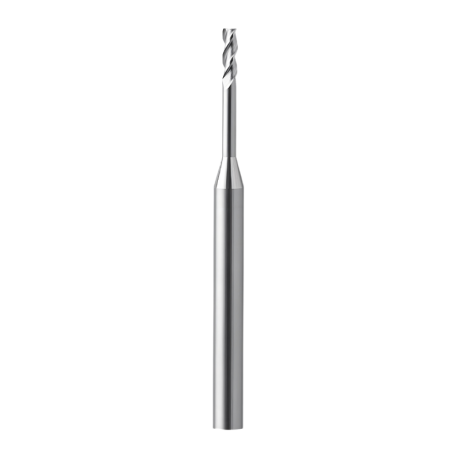
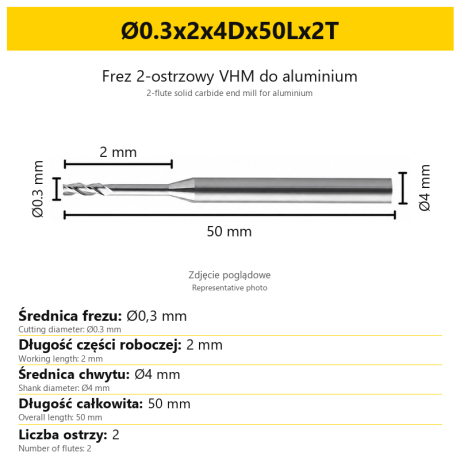 2-Flute End Mills 0.00
2-Flute End Mill for Aluminium | VHM | Miniature Ø0.3 - Ø0.9
Ø0.3x2x4Dx50Lx2T Ø0.3x3x4Dx50Lx2T Ø0.3x4x4Dx50Lx2T Ø0.4x2x4Dx50Lx2T Ø0.4x3x4Dx50Lx2T + 28 morePrice €7.95Price €6.47without VAT -
Bestseller
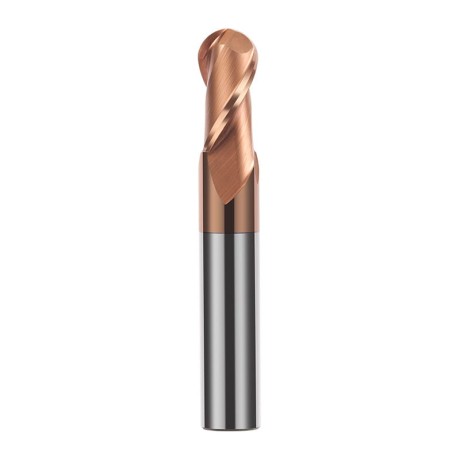
 Ball Nose End Mills 0.00
2-Flute TiSiN Coated Carbide Ball Nose End Mill
Ø1xR0.5x4Dx50L Ø1.5xR0.75x4Dx50L Ø2xR1x4Dx50L Ø2.5xR1.25x4Dx50L Ø3xR1.5x3Dx50L + 38 morePrice €7.24Price €5.89without VAT -
Bestseller
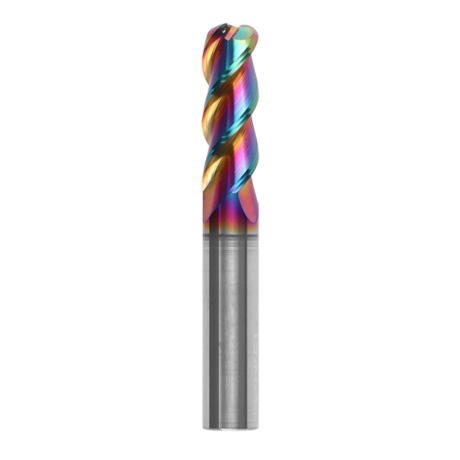
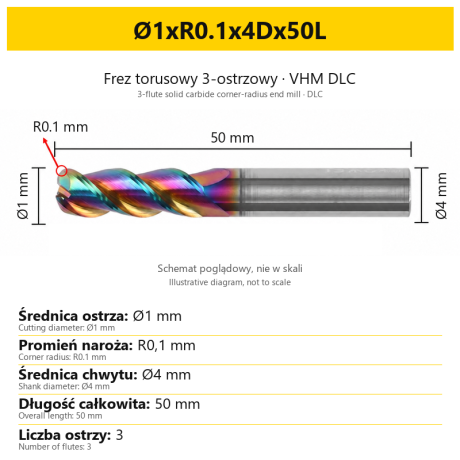
3-Flute Carbide Corner Radius End Mill for Aluminium| AL DLC
Ø1xR0.1x4Dx50L Ø1xR0.2x4Dx50L Ø1xR0.3x4Dx50L Ø1.5xR0.1x4Dx50L Ø1.5xR0.2x4Dx50L + 137 morePrice €5.89Price €4.79without VAT -
Bestseller
 3-Flute End Mills 0.00
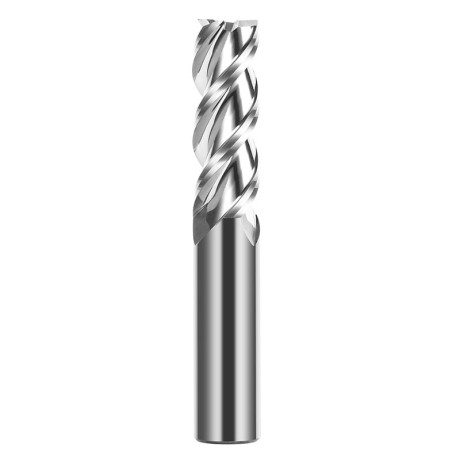
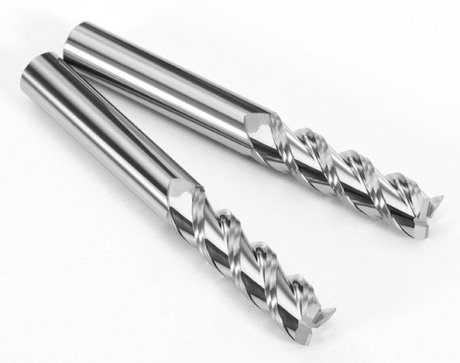
3-Flute Carbide End Mill VHM Z-3 for Aluminium| TriMill AL
Ø1x3xD4x50L Ø1.5x5x4Dx50L Ø2x6x4Dx50L Ø2.5x8x4Dx50L Ø3x9x3Dx50L + 41 morePrice €5.08Price €4.13without VAT -
Bestseller
 Countersinks 0.00
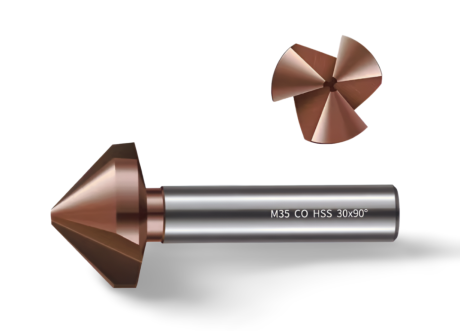
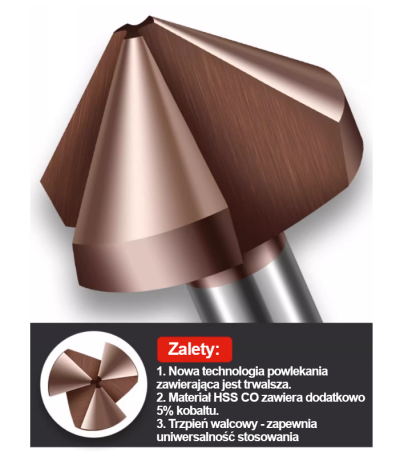
3-Flute Countersink Fi4.5-fi60, 90° - HSS-CO - 5% Kobaltu | Straight Shank
Ø4.5 x 4 x 90° x 40L Ø5 x 5 x 90° x 45L Ø6.3 x 5 x 90° x 45L Ø8.3 x 6 x 90° x 50L Ø10.4 x 6 x 90° x 50L + 12 morePrice €4.79Price €3.89without VAT -
Bestseller
 3-Flute End Mills 0.00
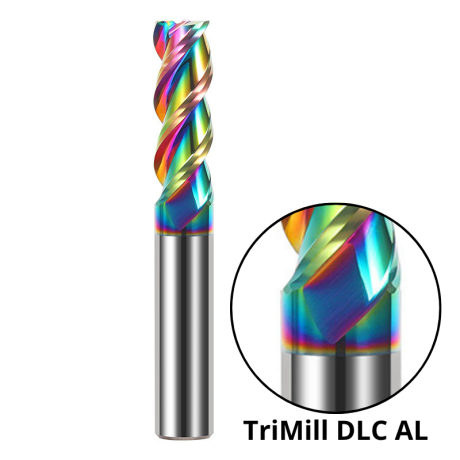
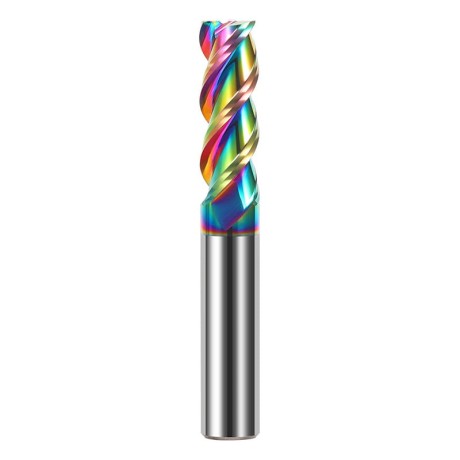
3-Flute DLC Coated Carbide End Mill | TriMill DLC AL
Ø1x3x4Dx50L Ø1.5x5x4Dx50L Ø2x6x4Dx50L Ø2.5x8x4Dx50L Ø3x8x3Dx50L + 38 morePrice €5.05Price €4.10without VAT -
Bestseller

 3-Flute End Mills 0.00
3-Flute HRC65 DLC Coated Carbide End Mill, U-Shaped Flute, for Aluminium | DuraEdge3 Alu
Ø1x3x4Dx50L Ø1.5x5x4Dx50L Ø2x6x4Dx50L Ø2.5x8x4Dx50L Ø3x9x3Dx50L + 40 morePrice €6.73Price €5.47without VAT