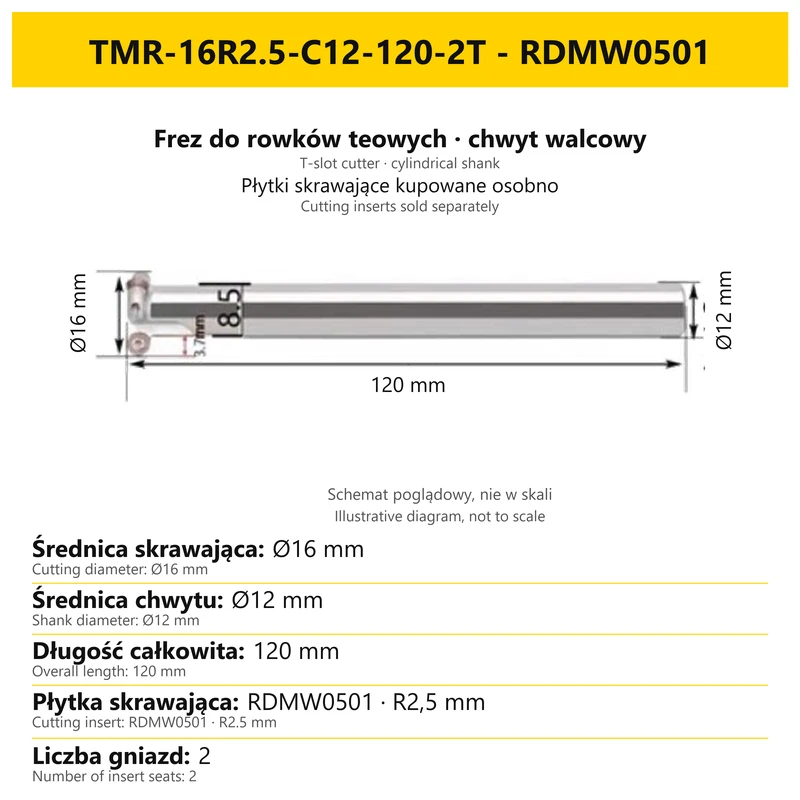
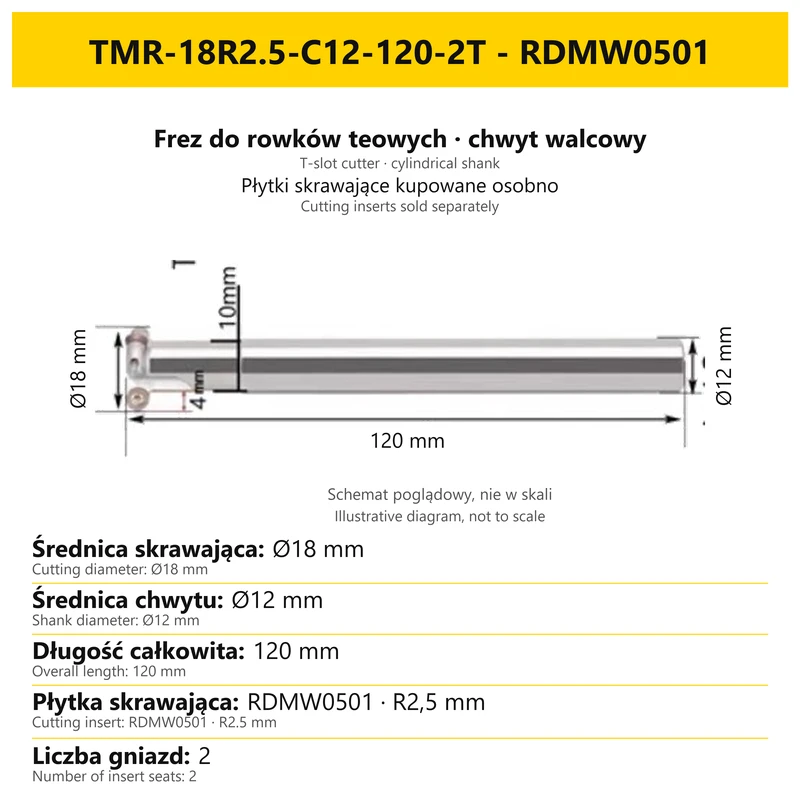
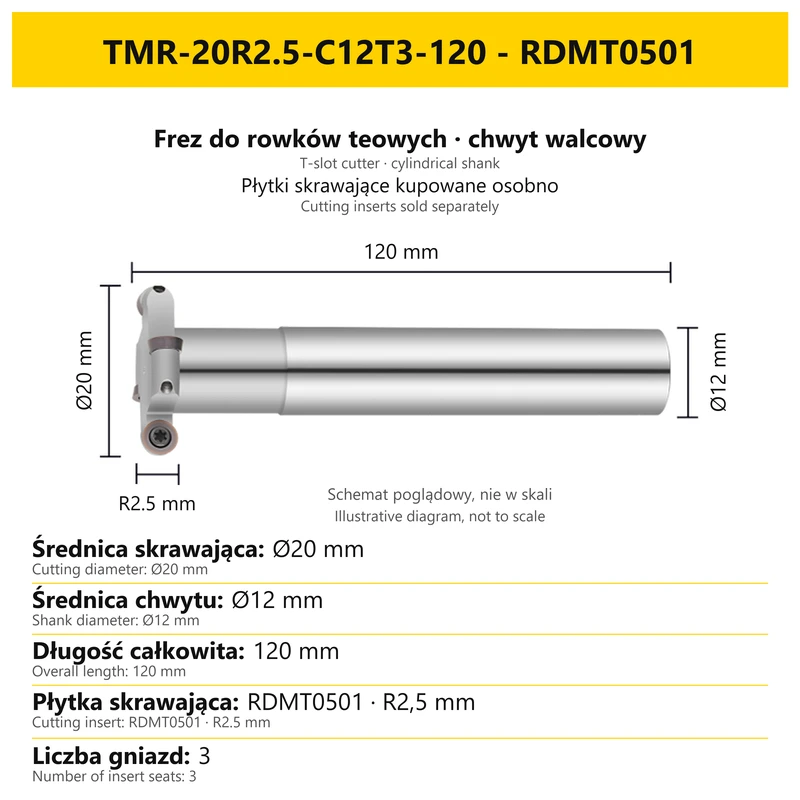


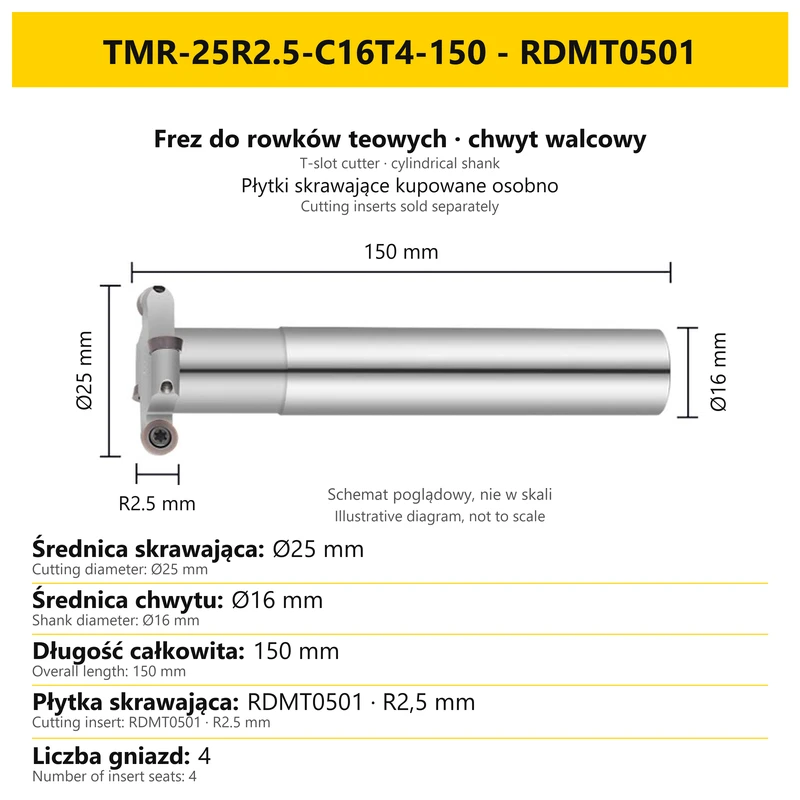
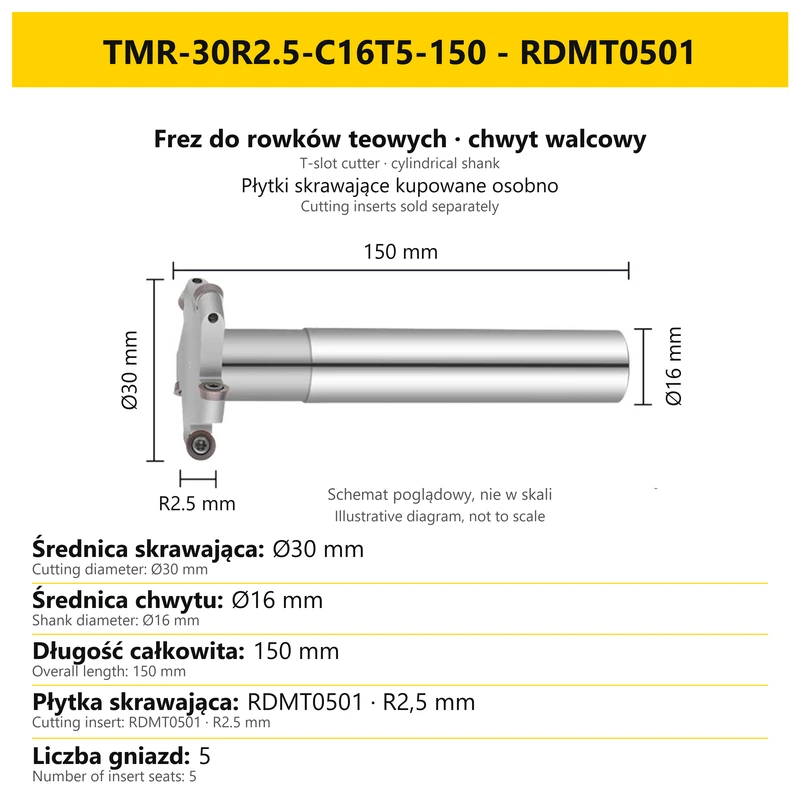
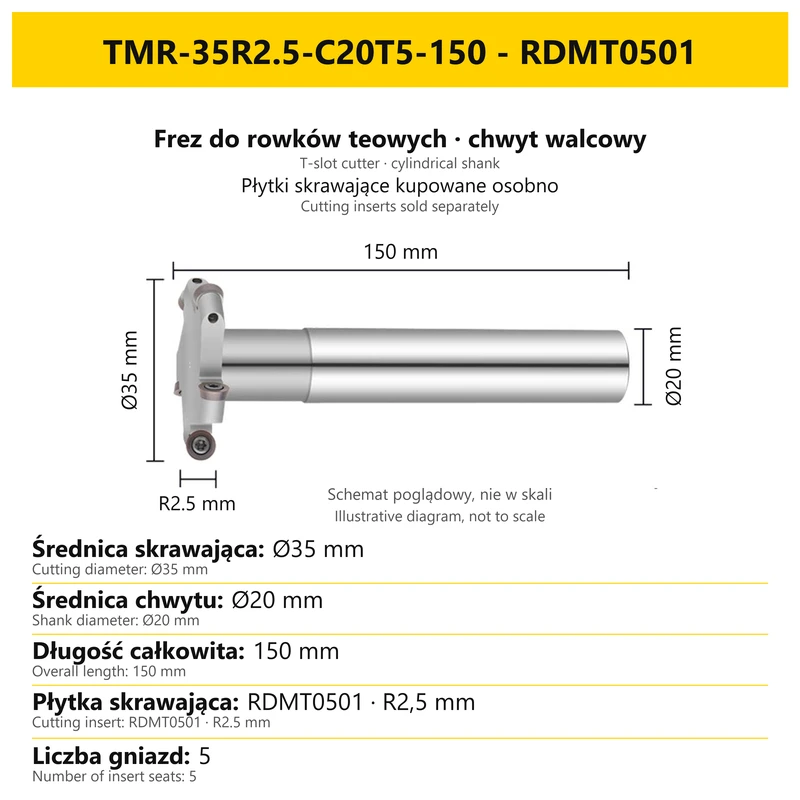
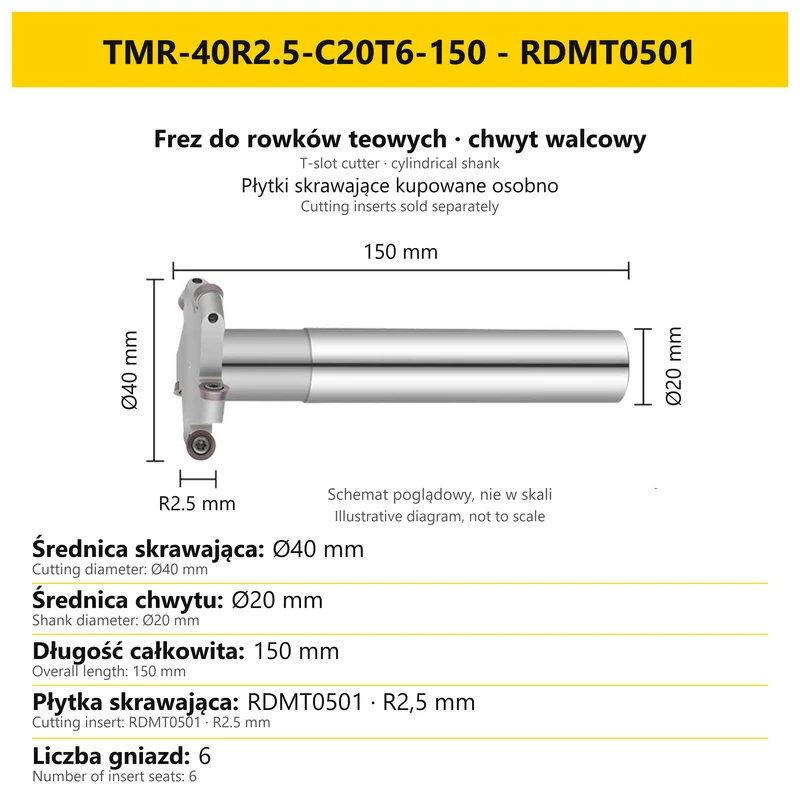
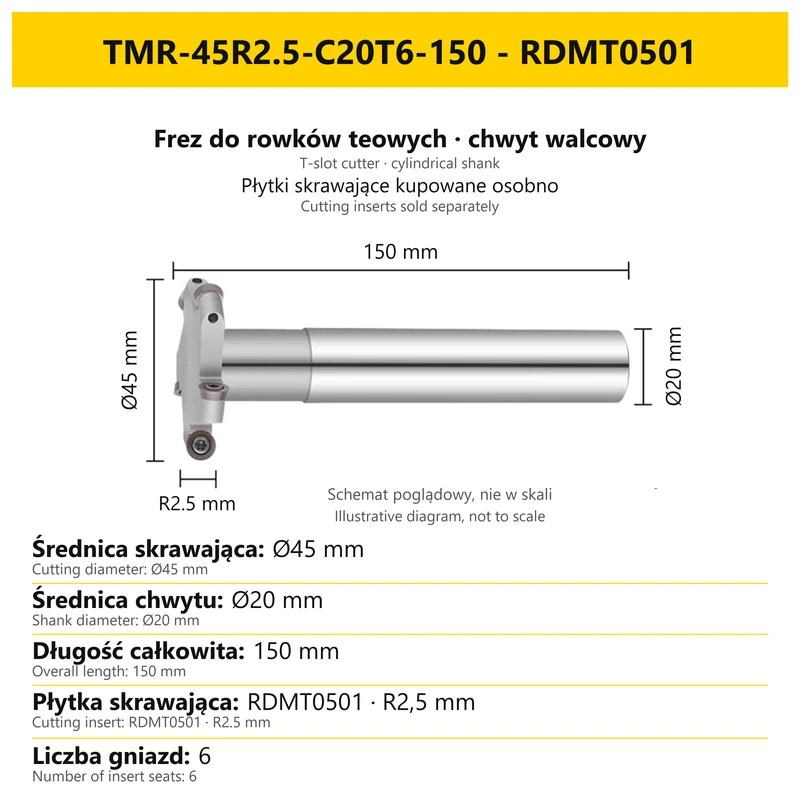


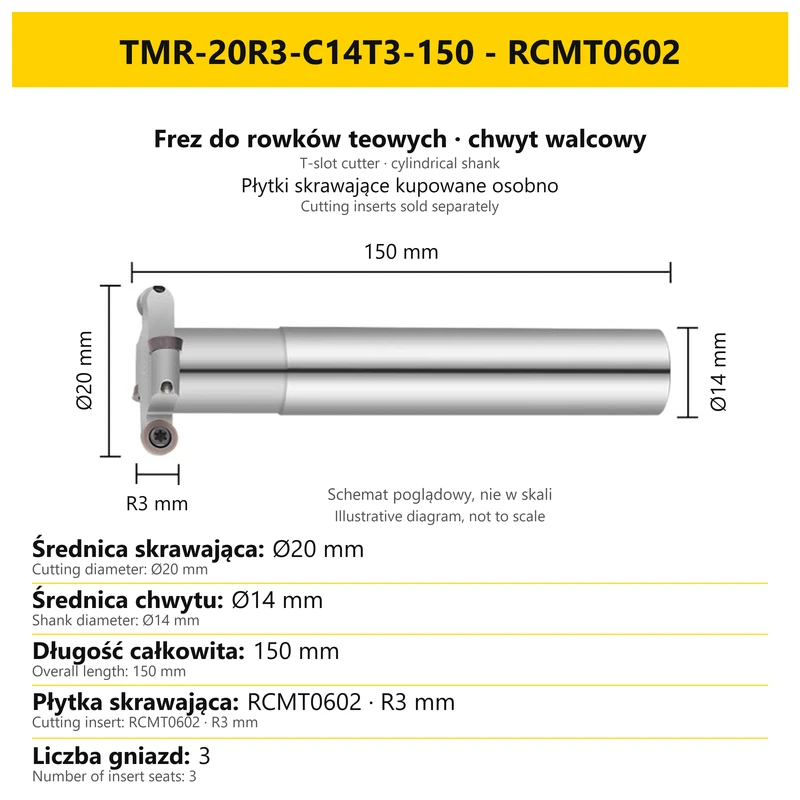


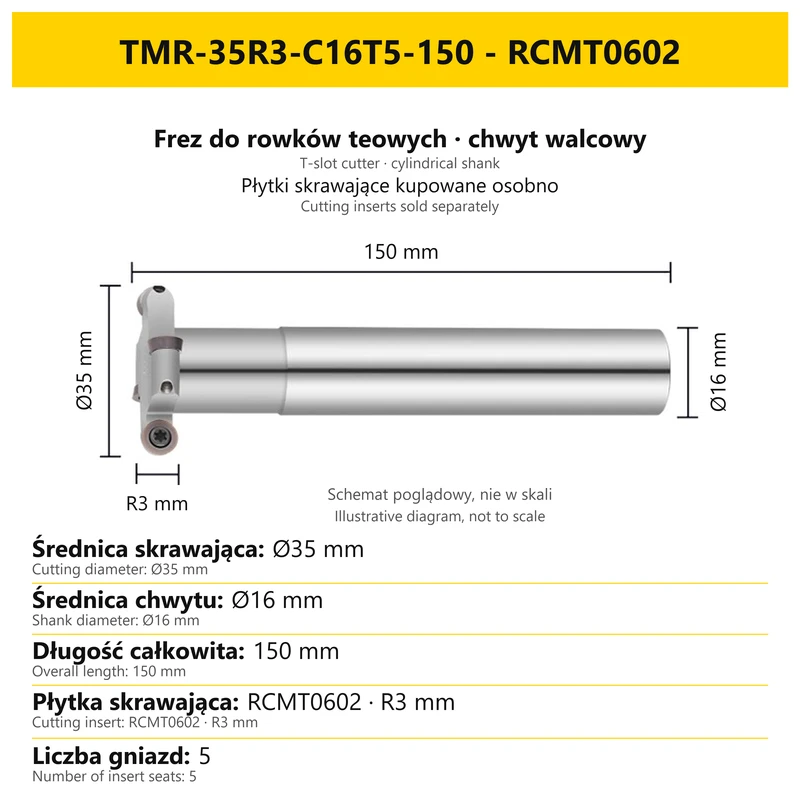
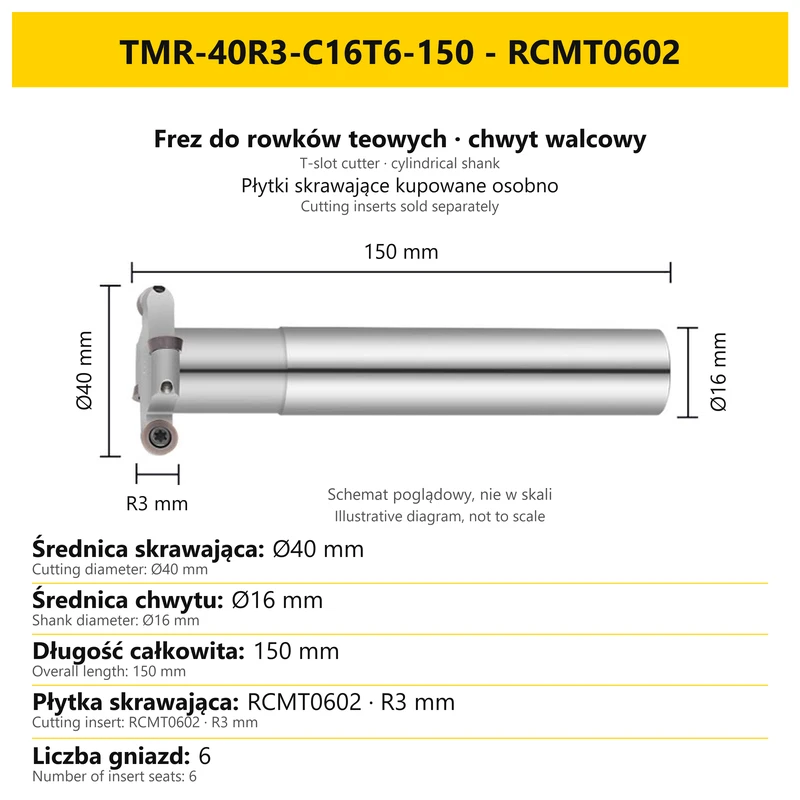
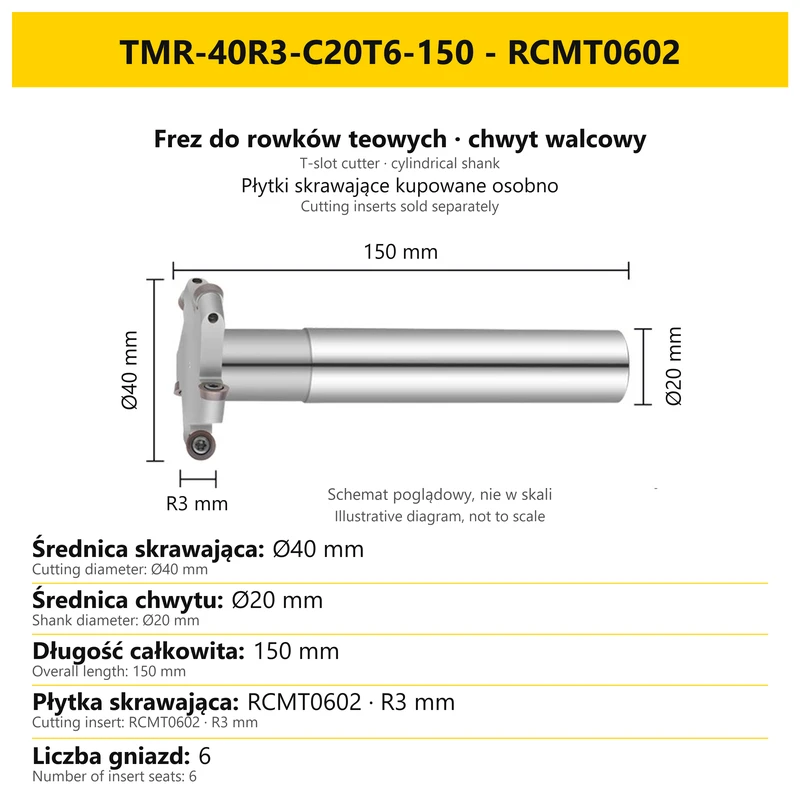

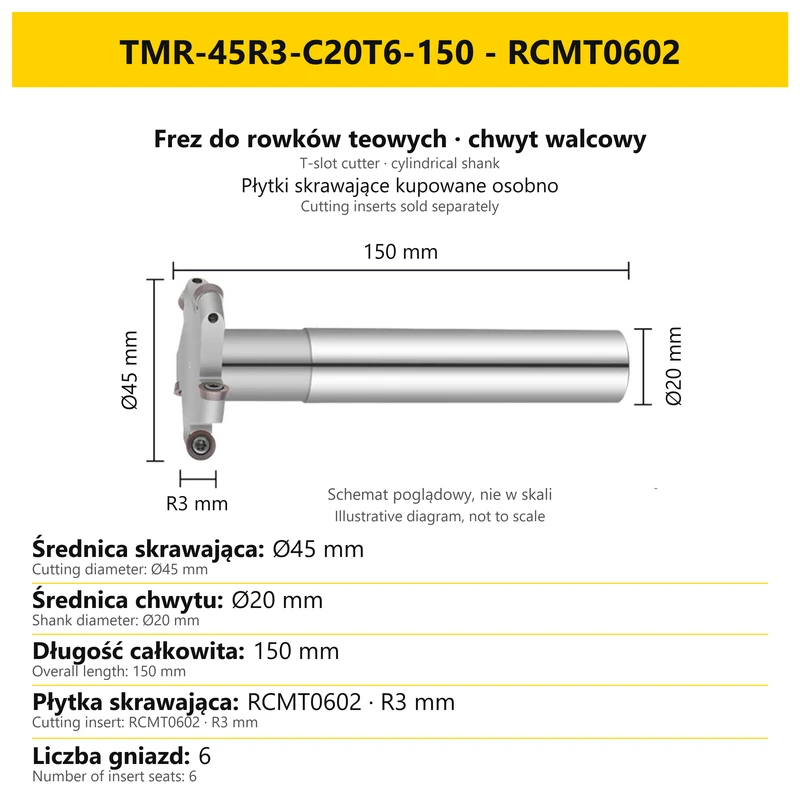
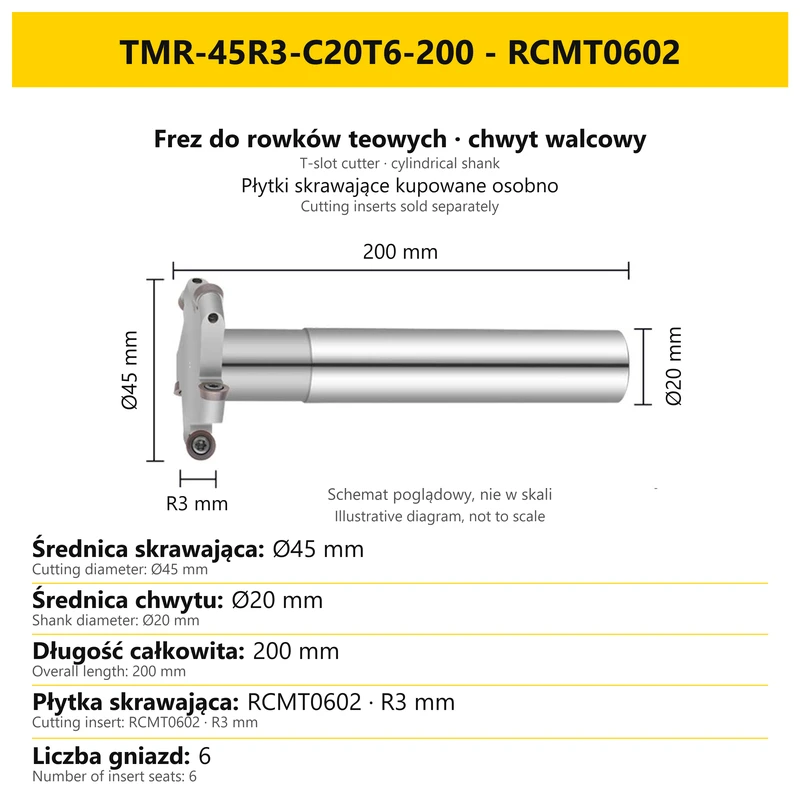
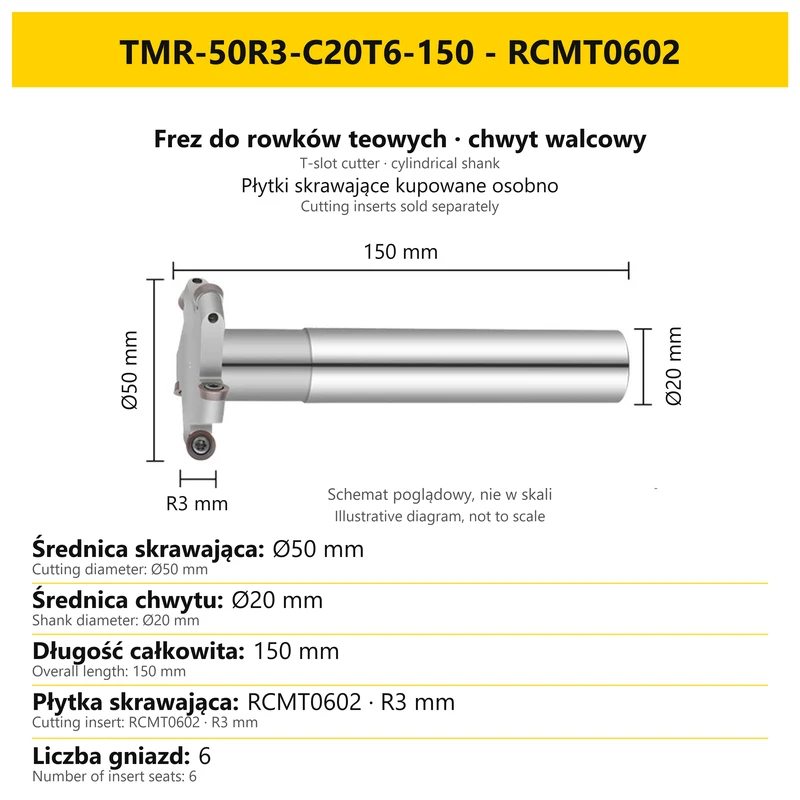
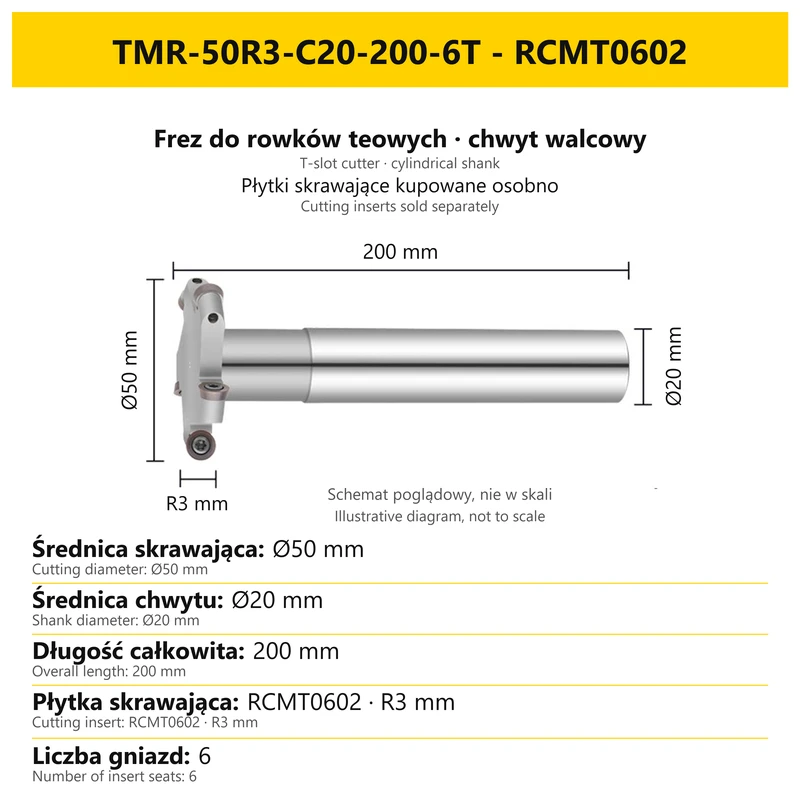
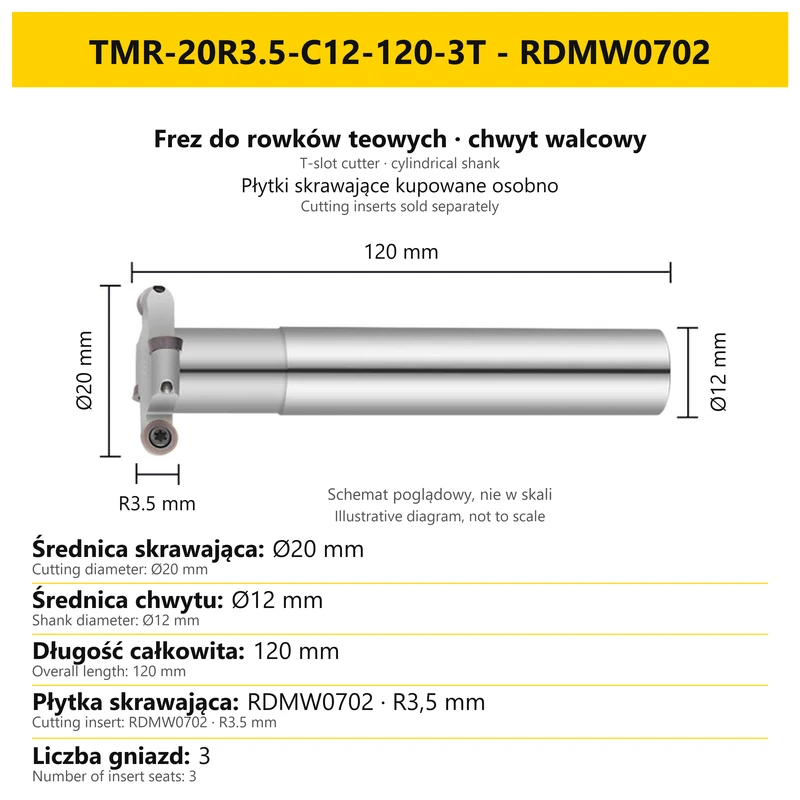
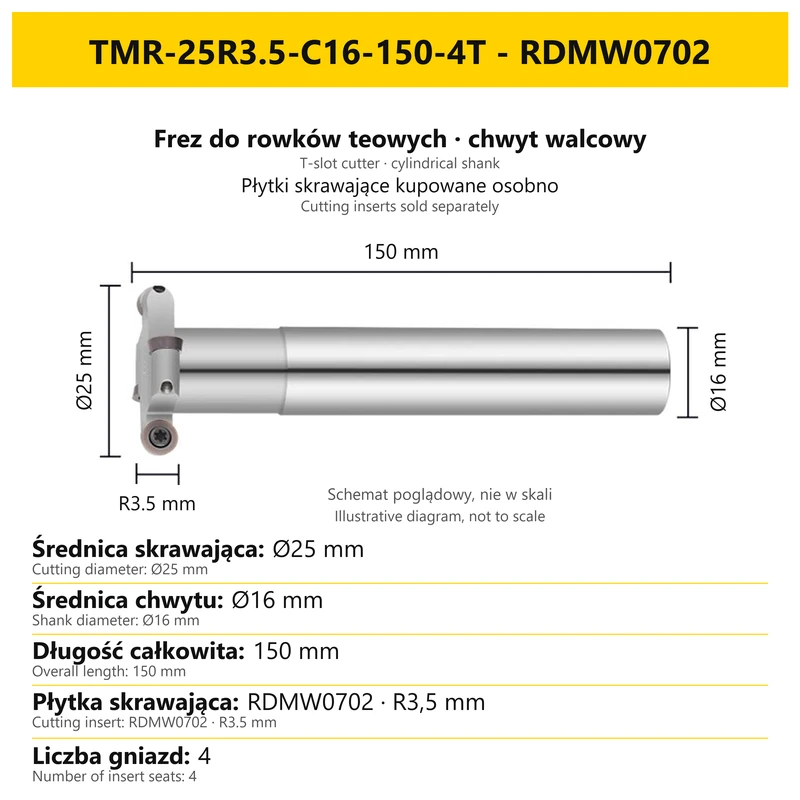
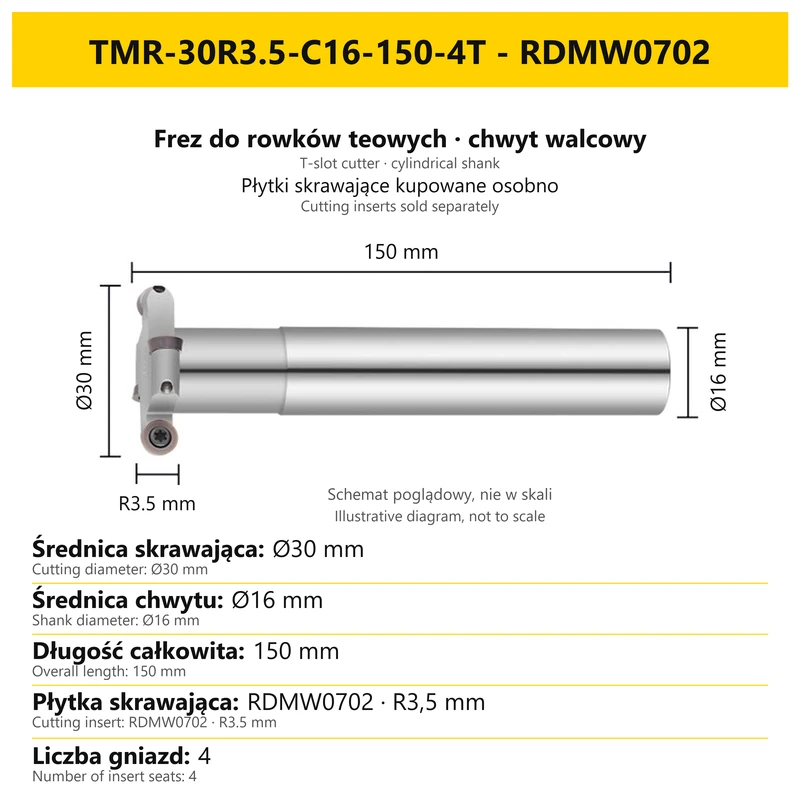
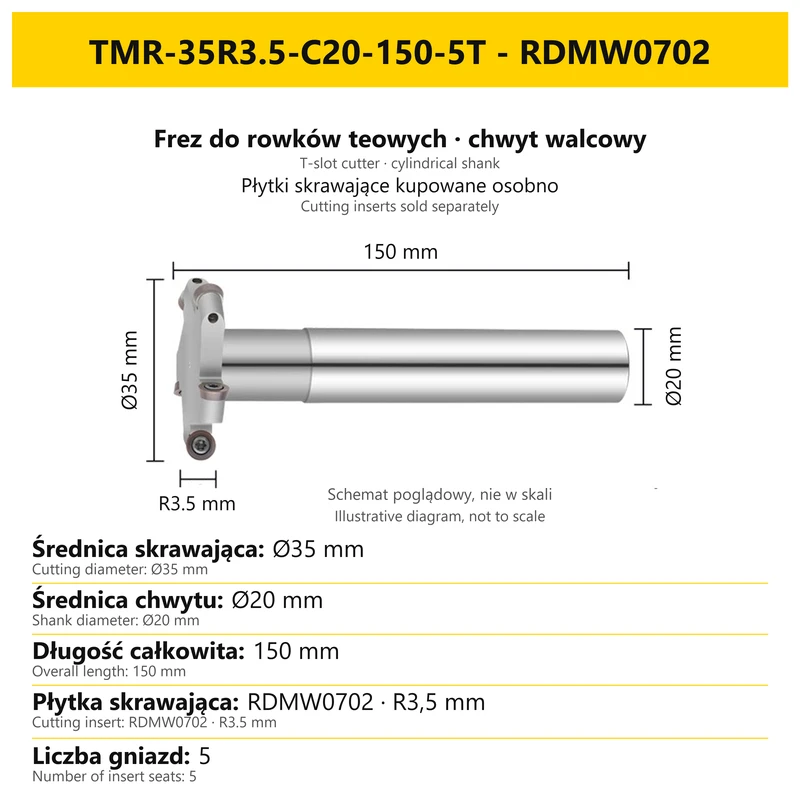
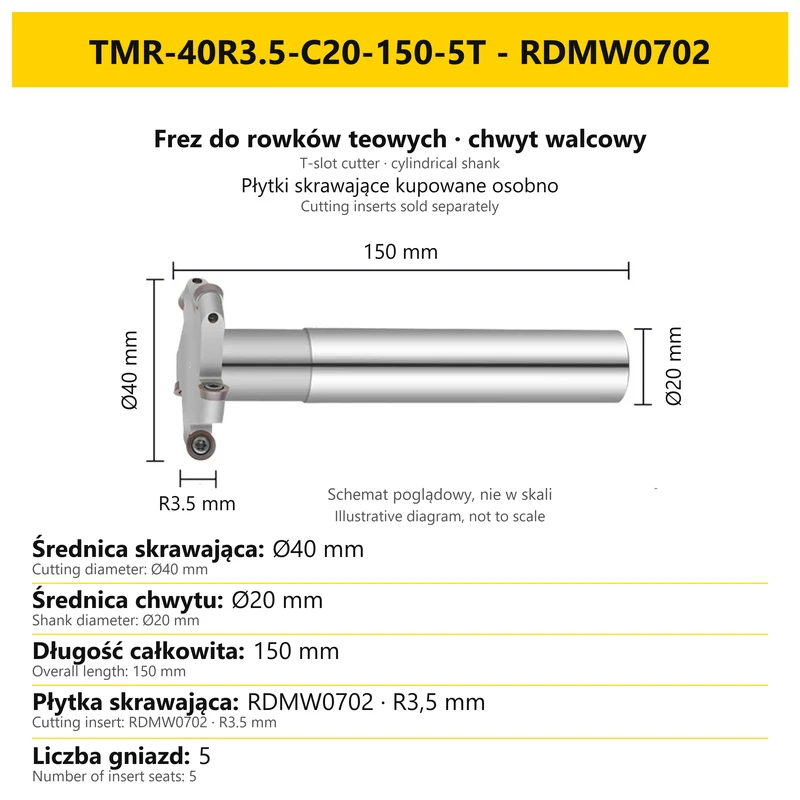

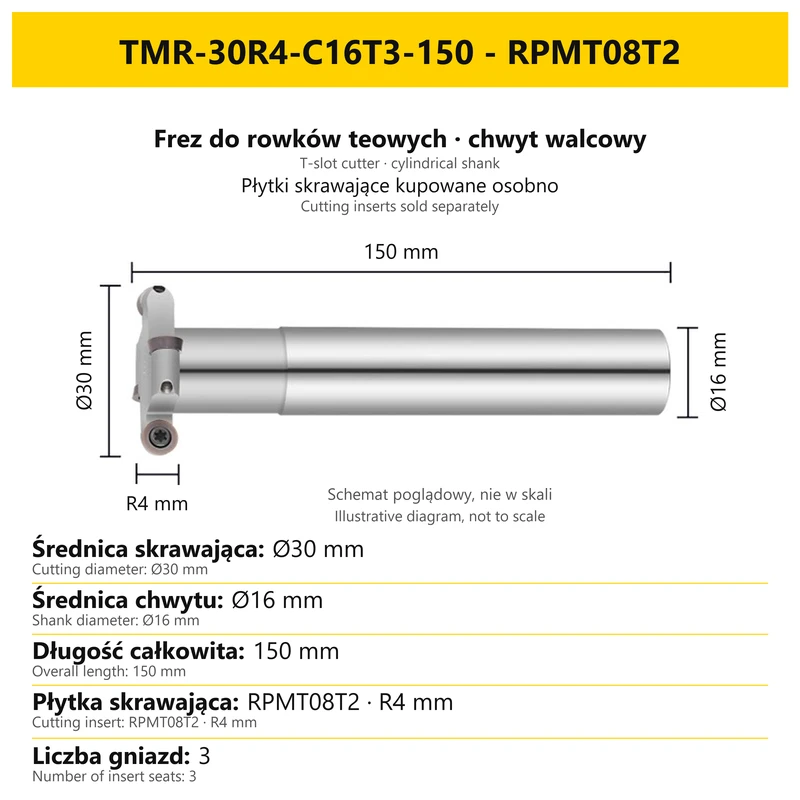
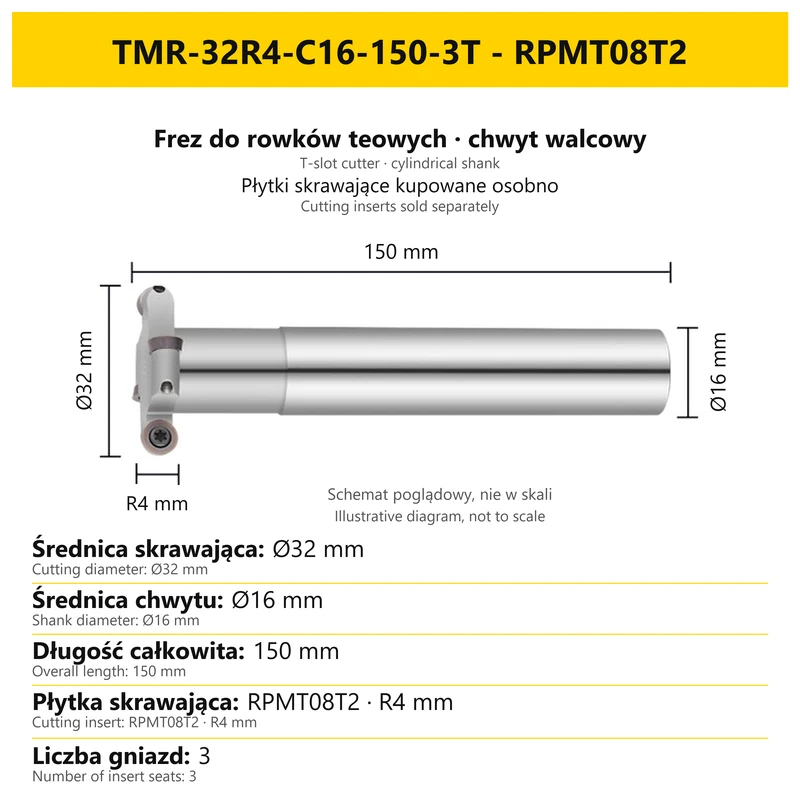
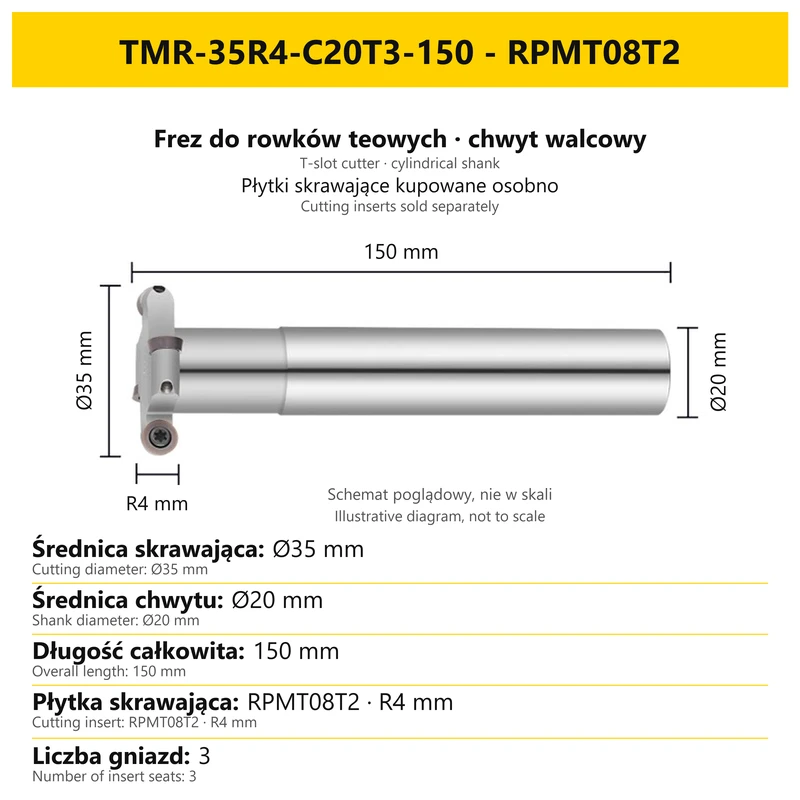
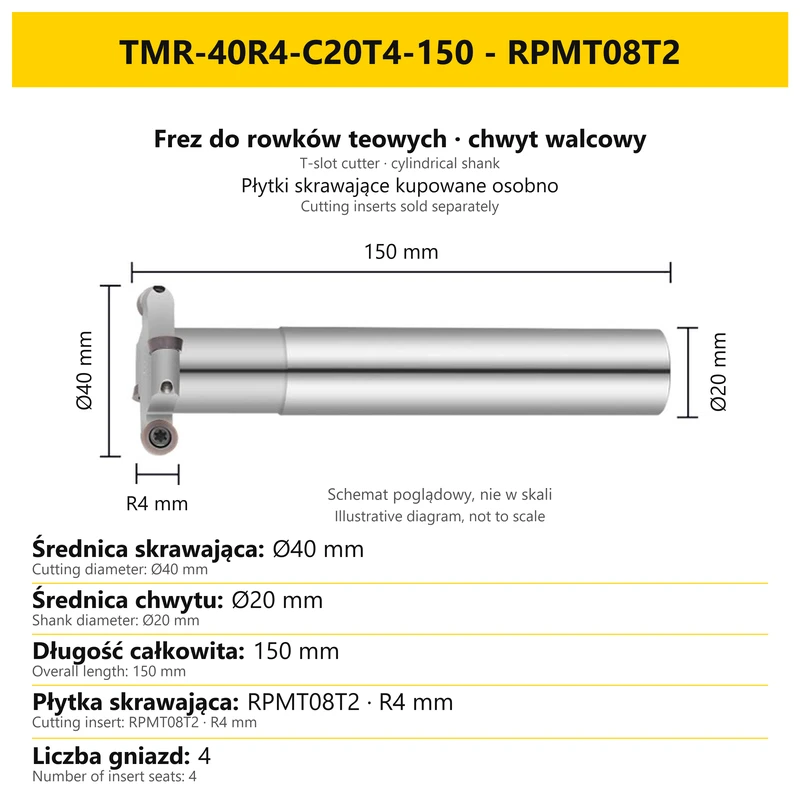
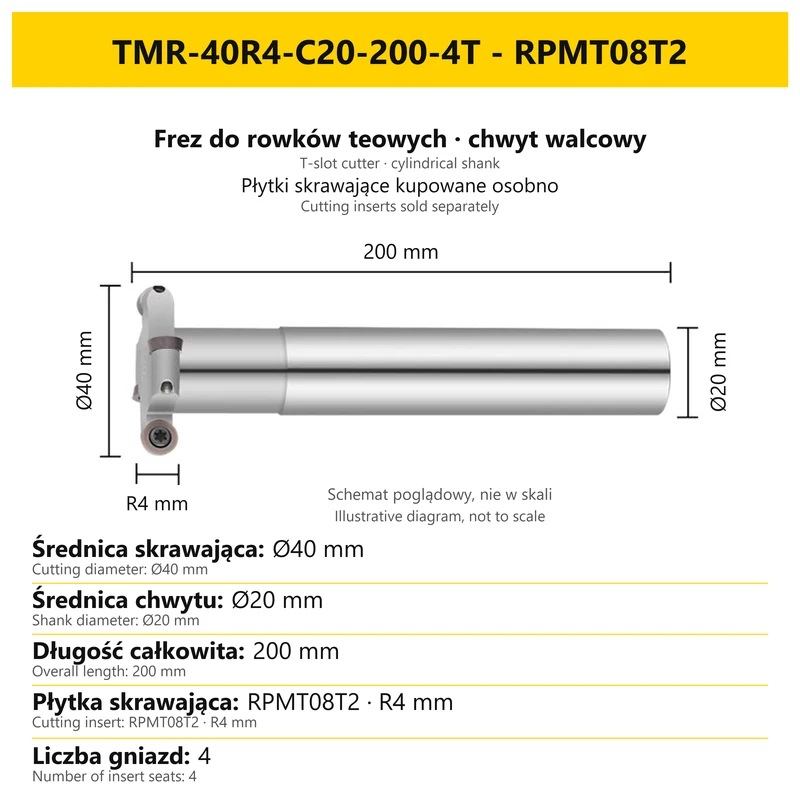
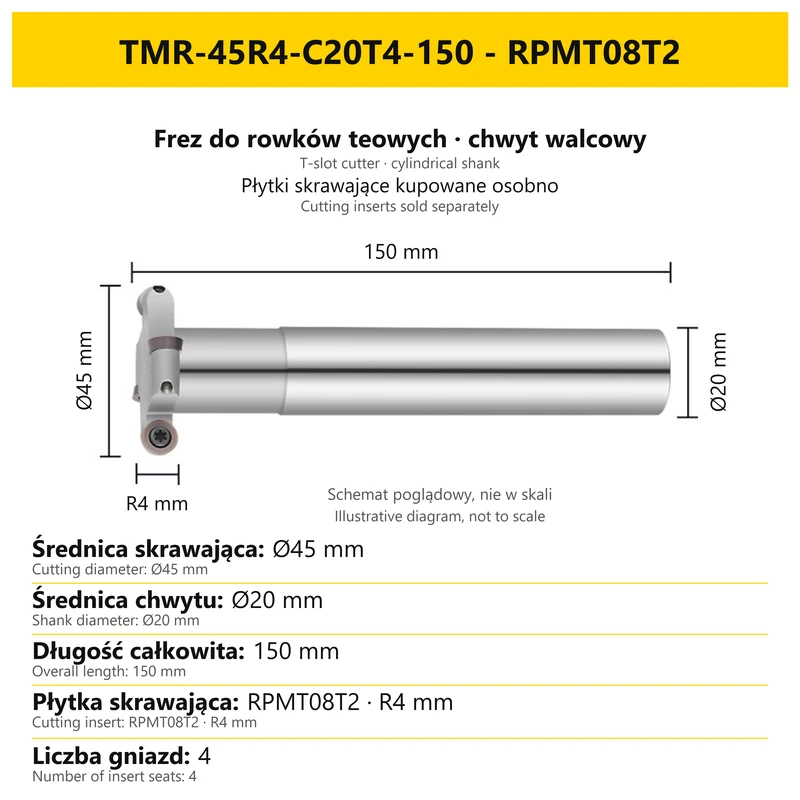

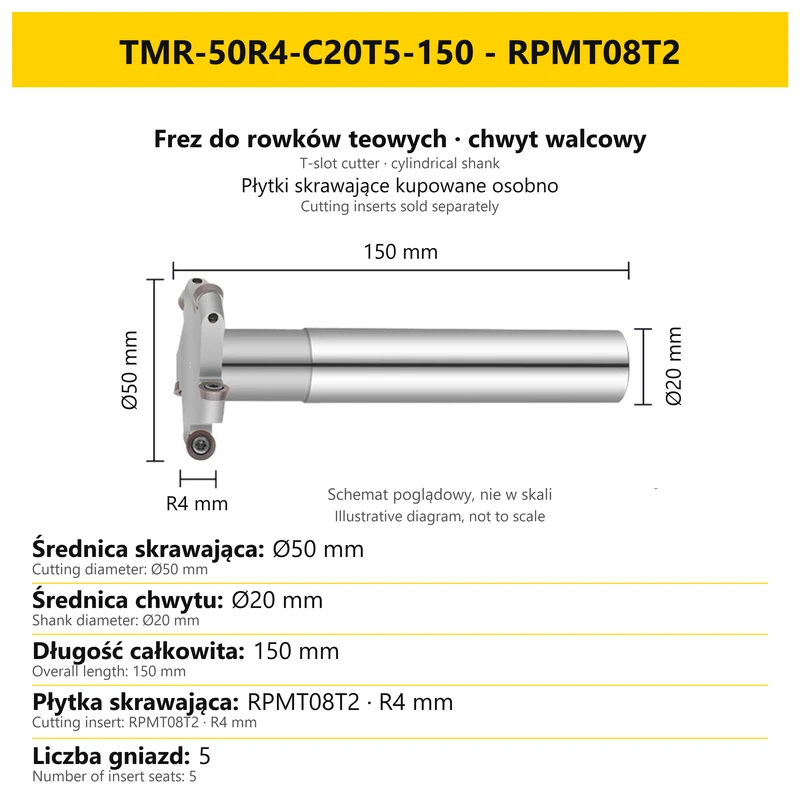


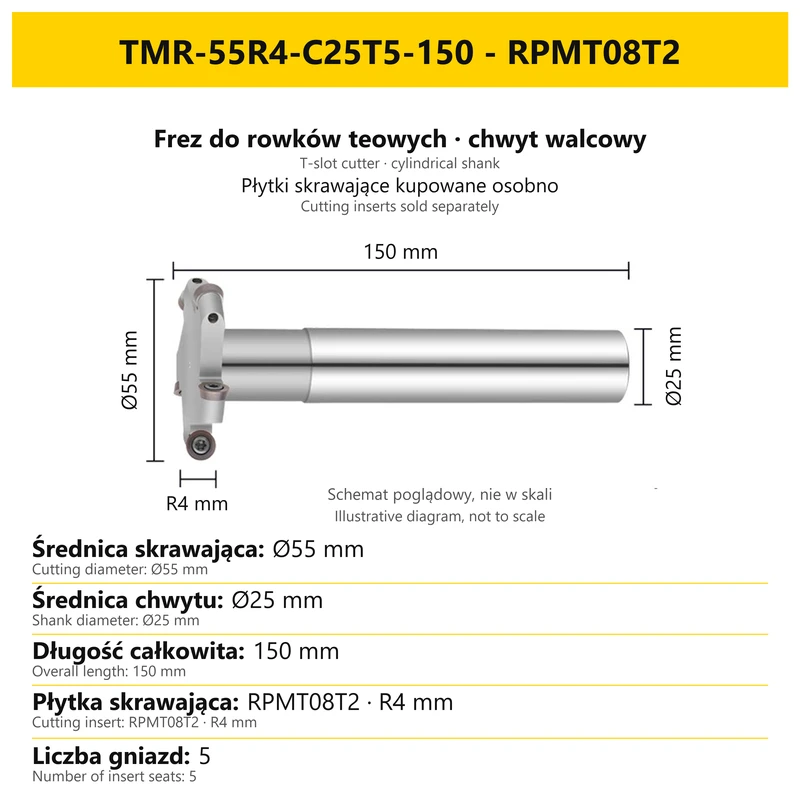

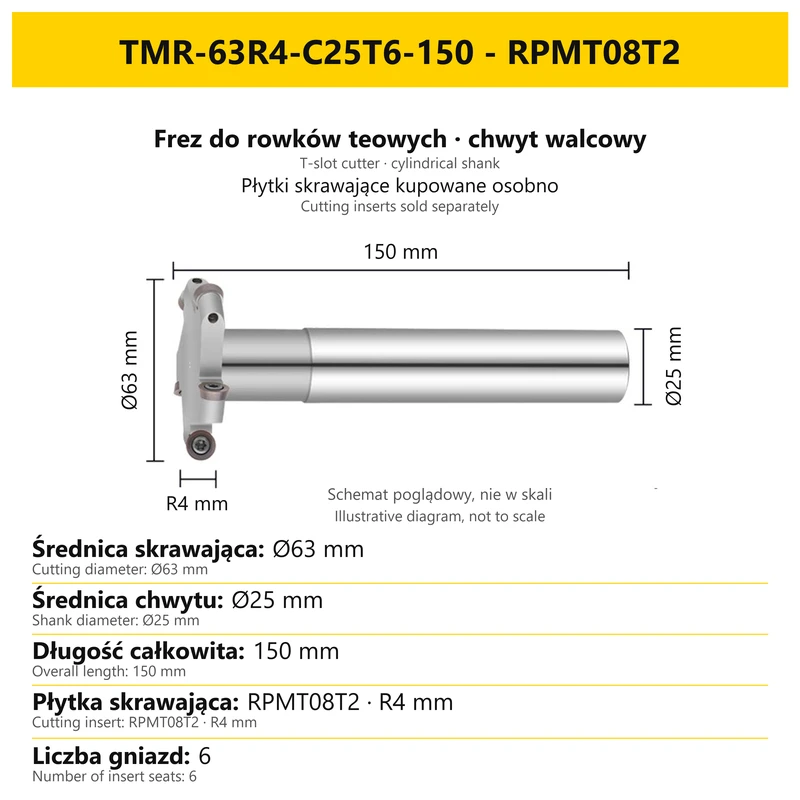
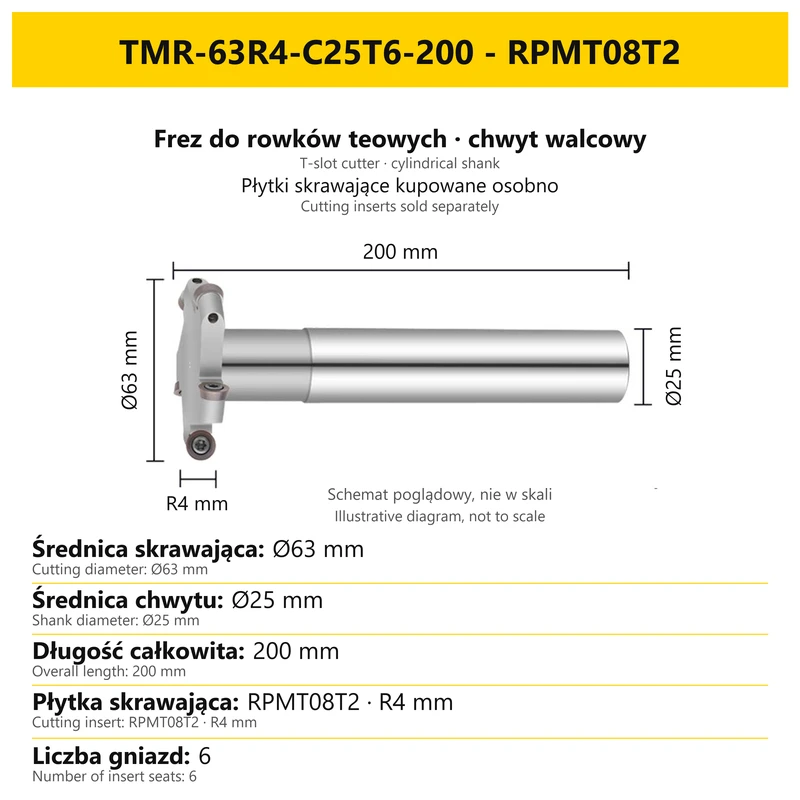
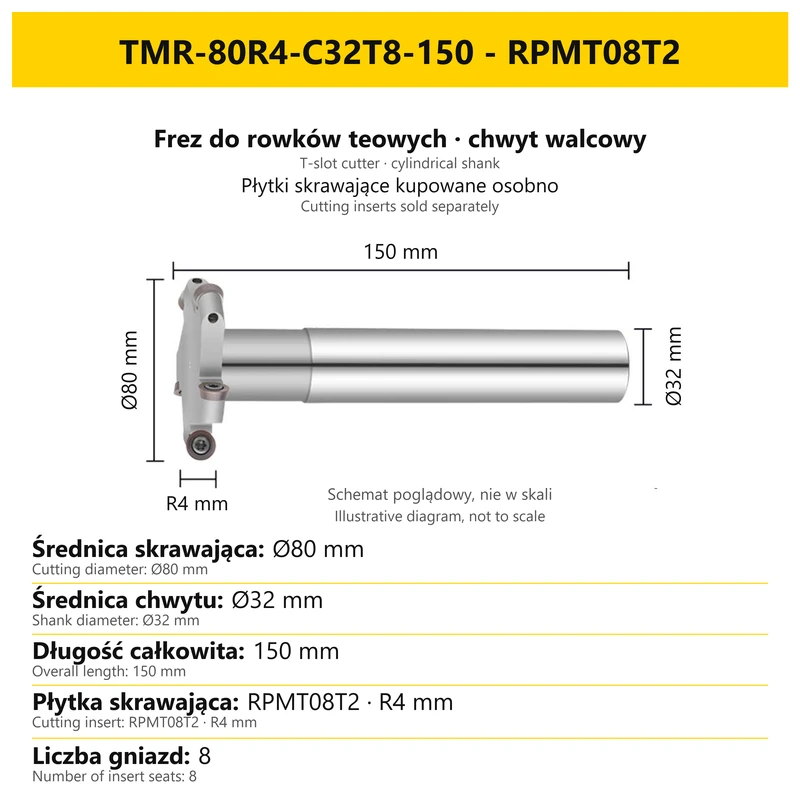
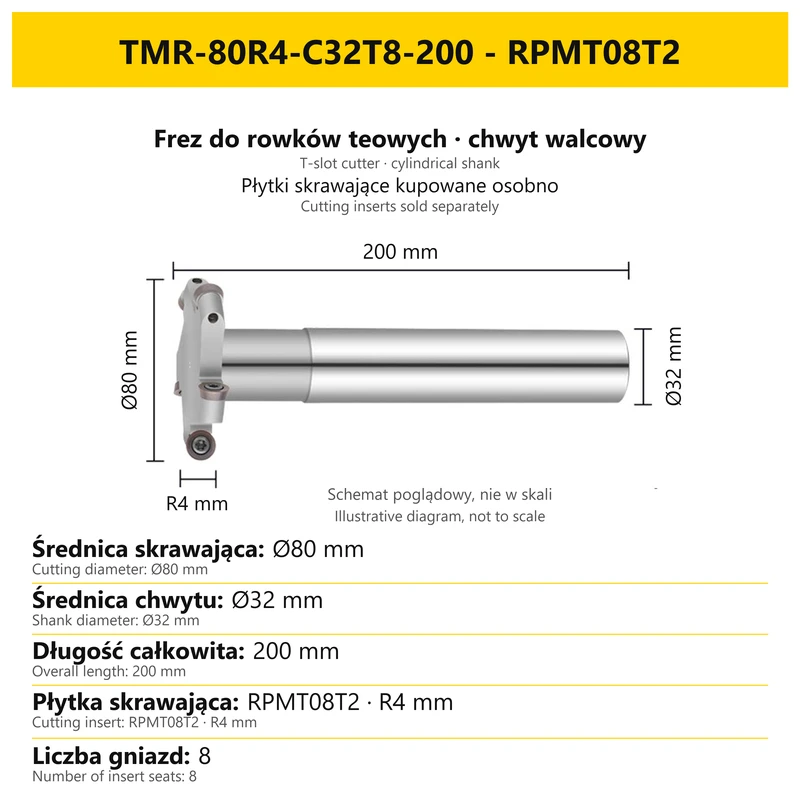
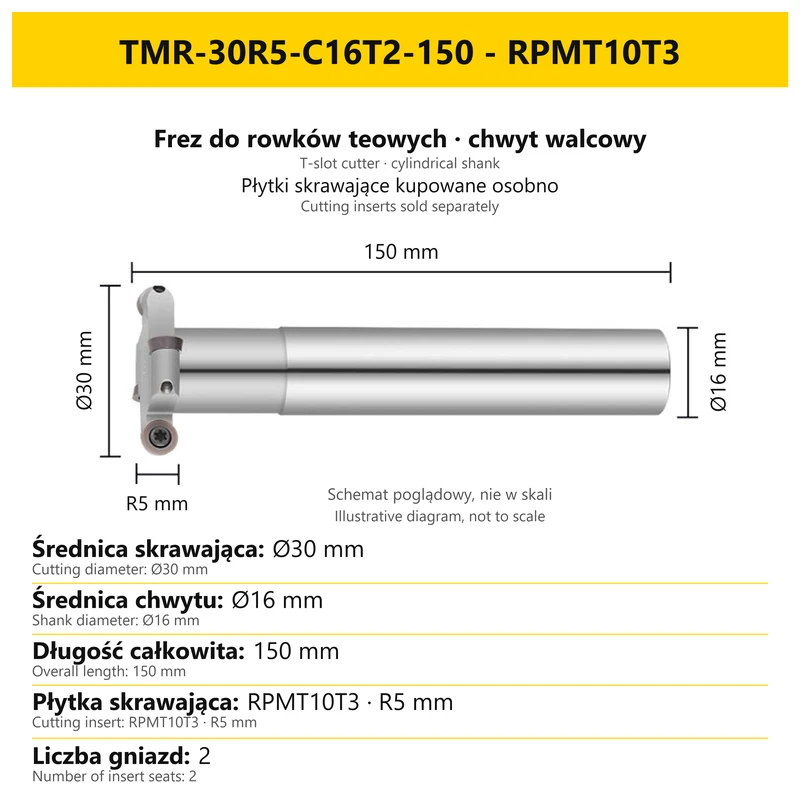

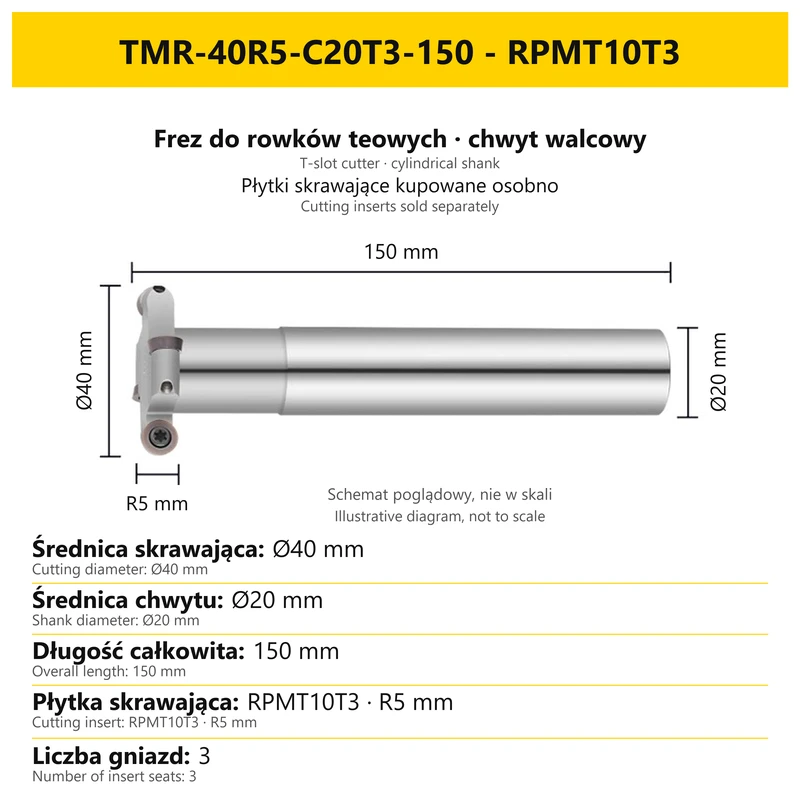

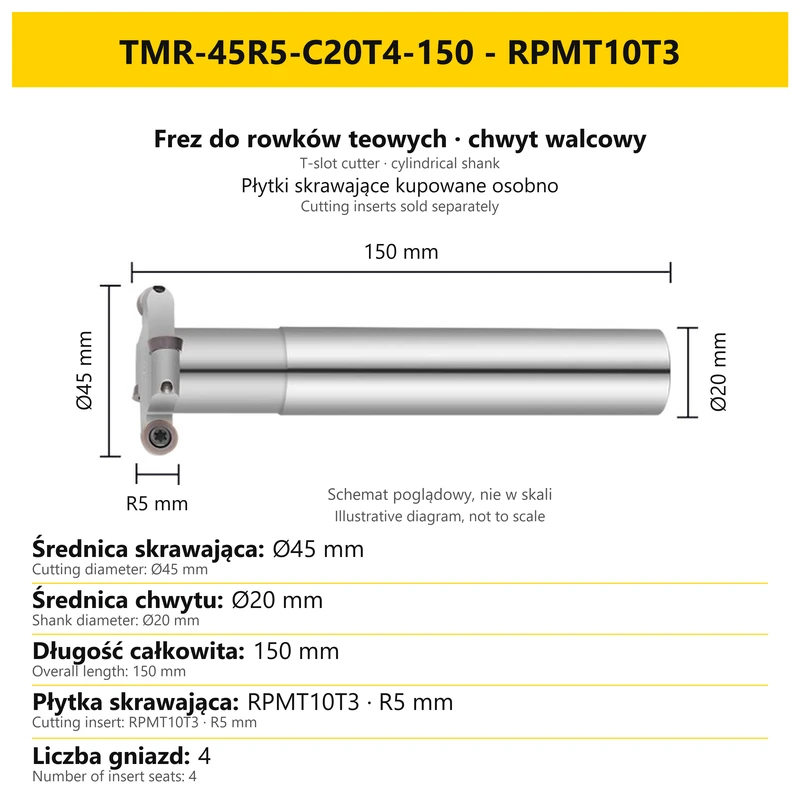
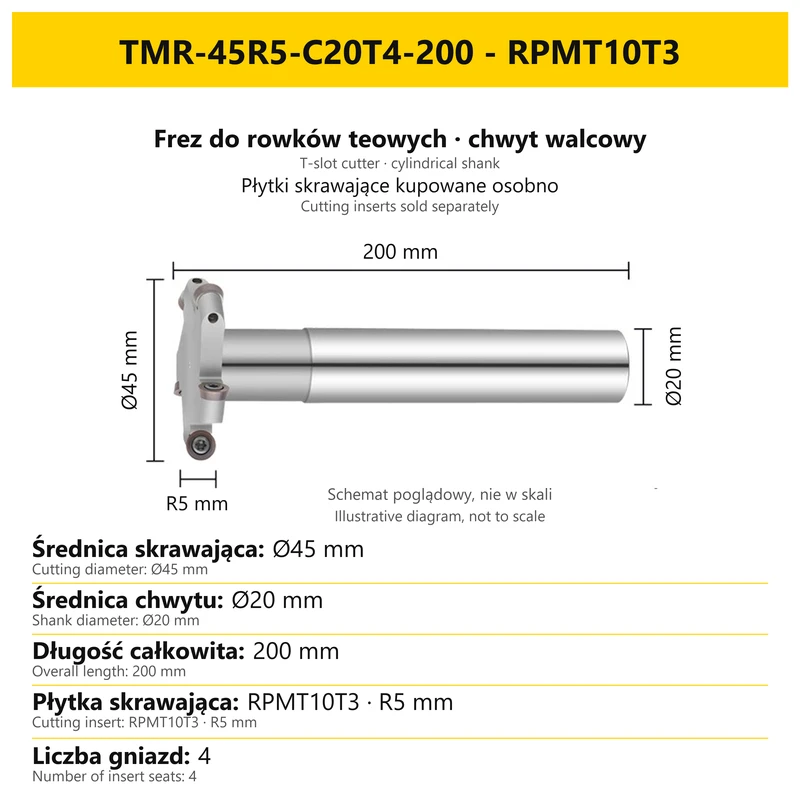


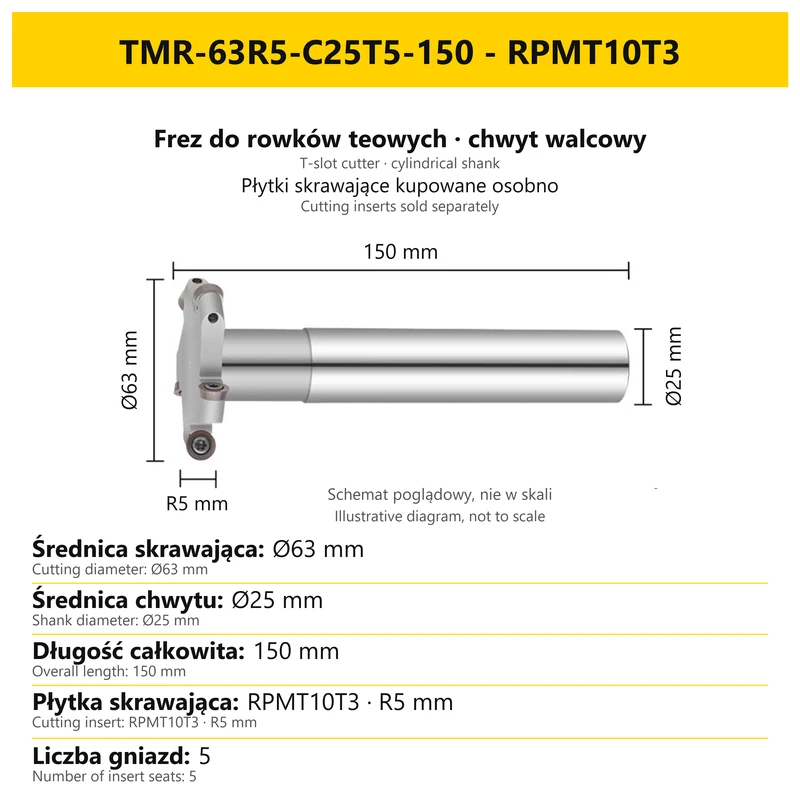

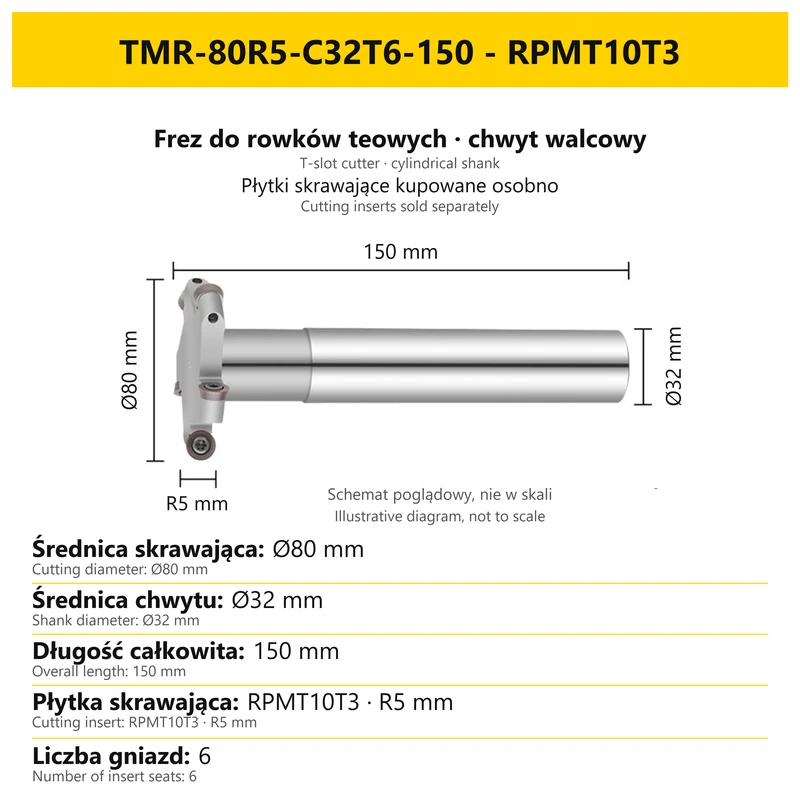
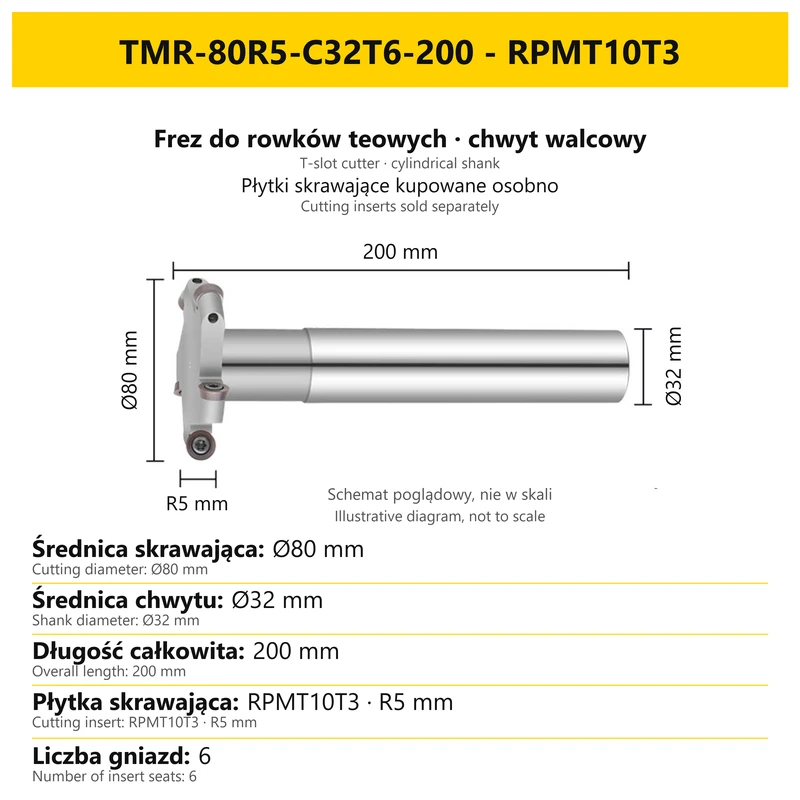
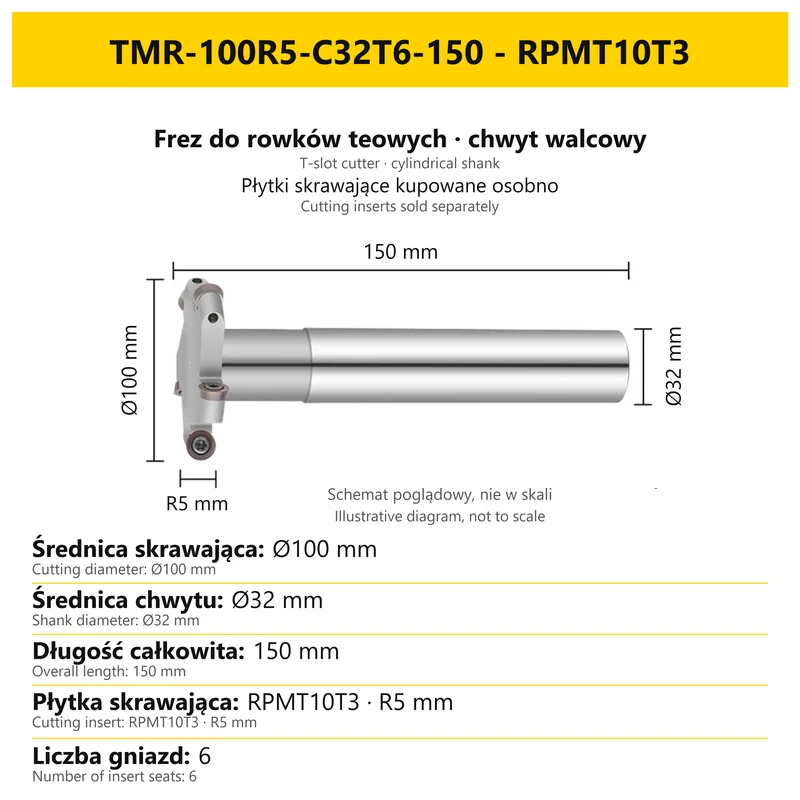
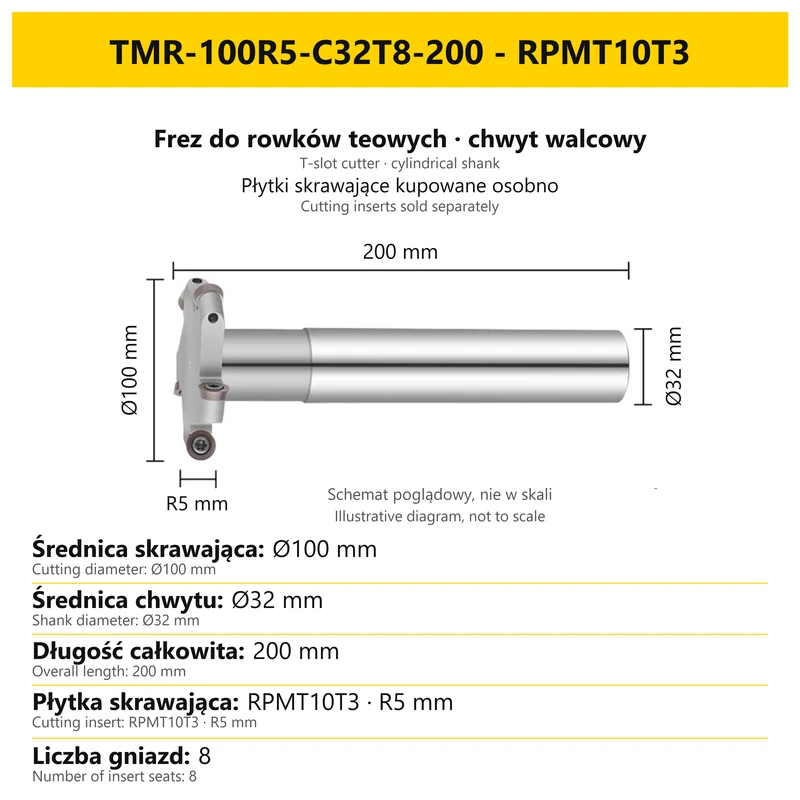


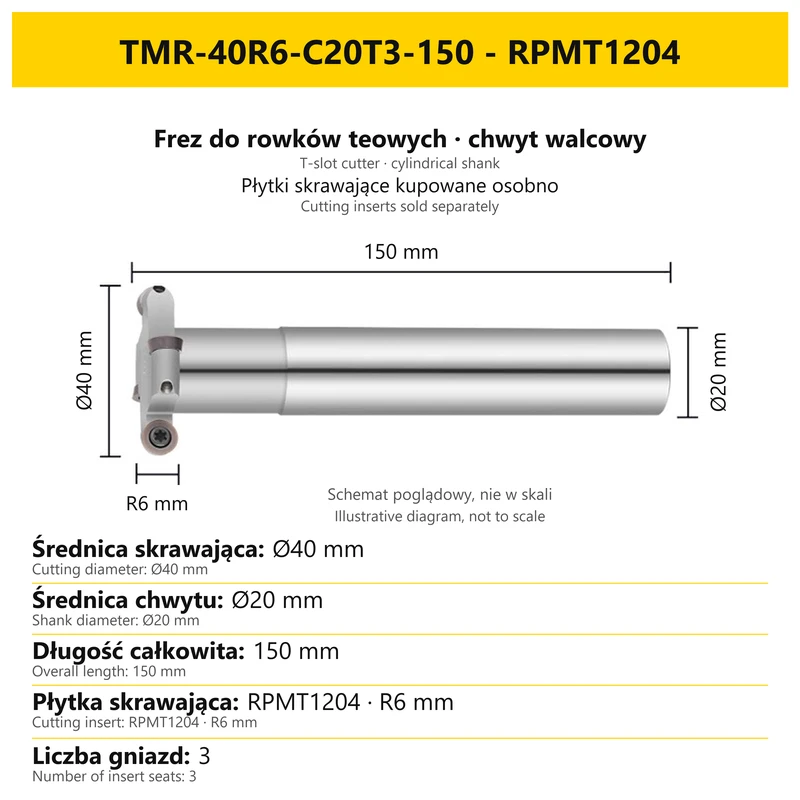
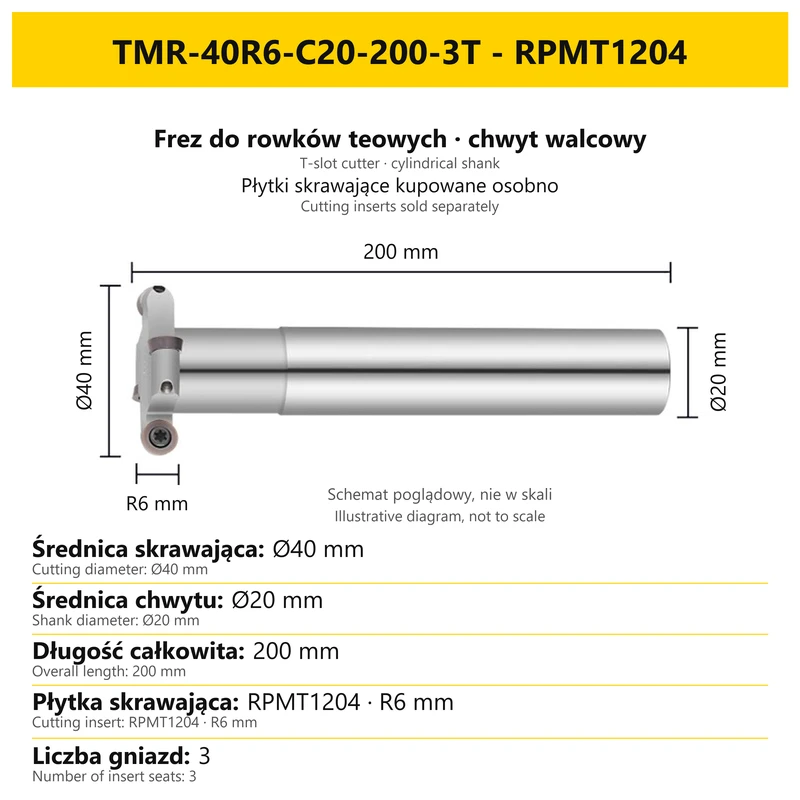
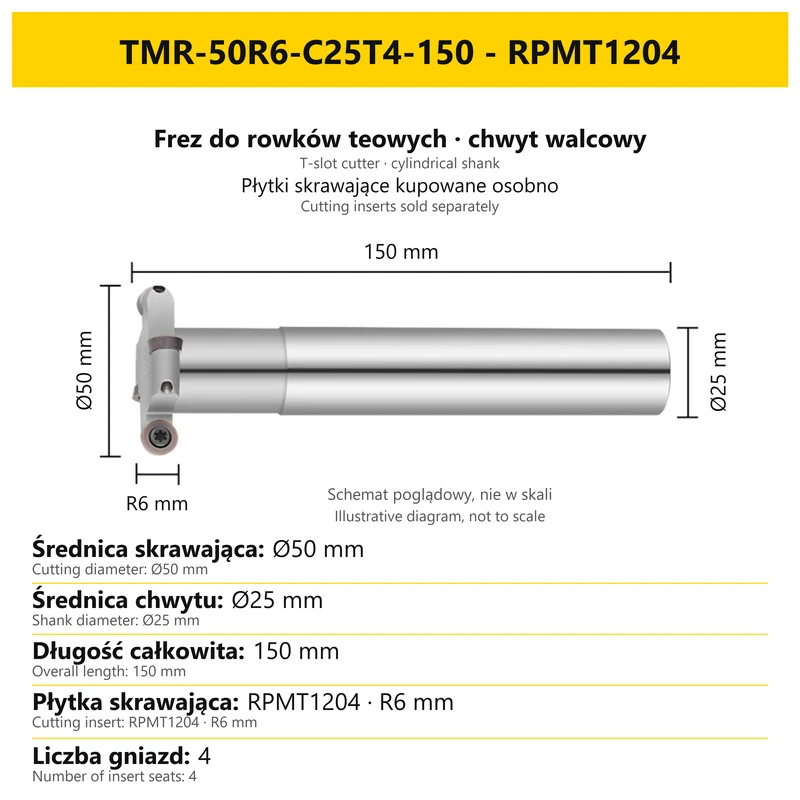

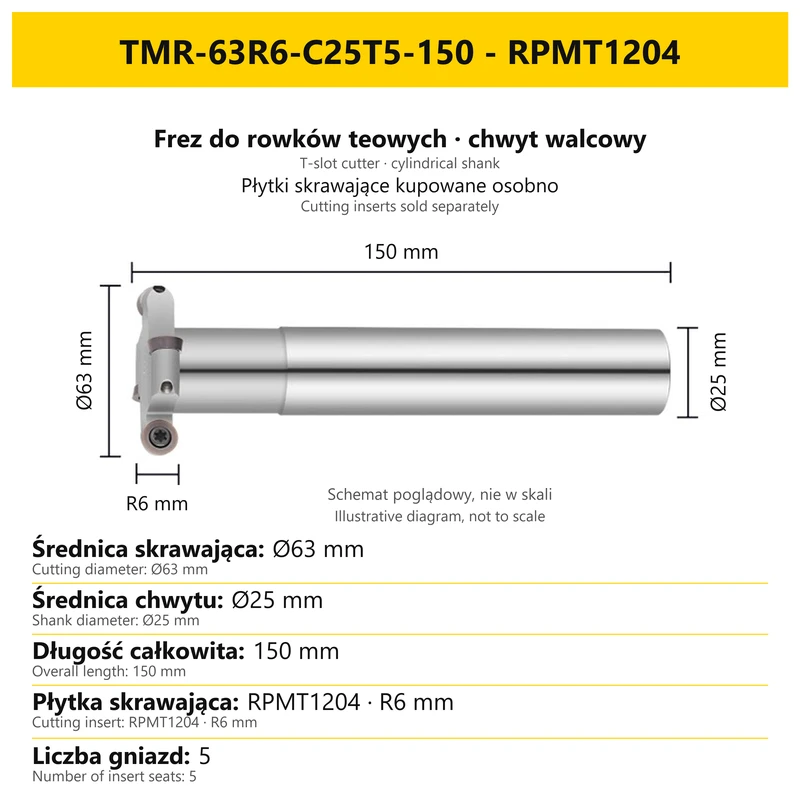
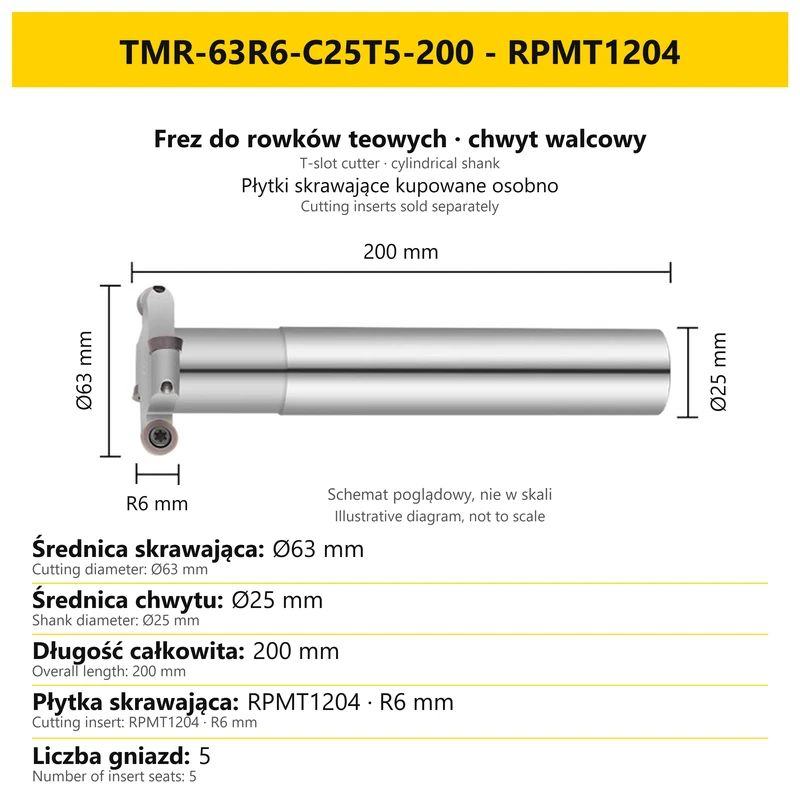

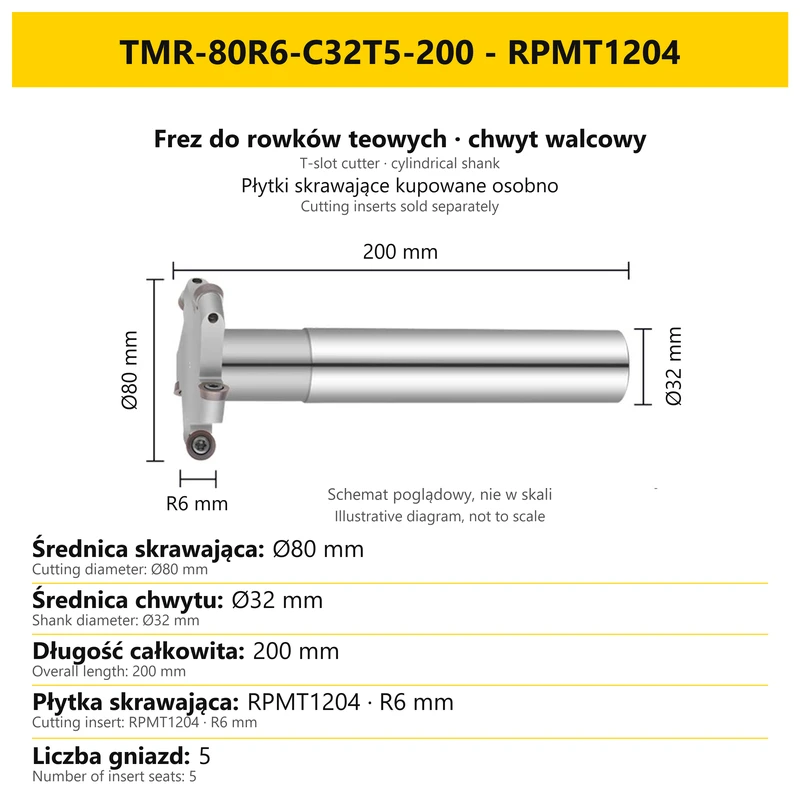

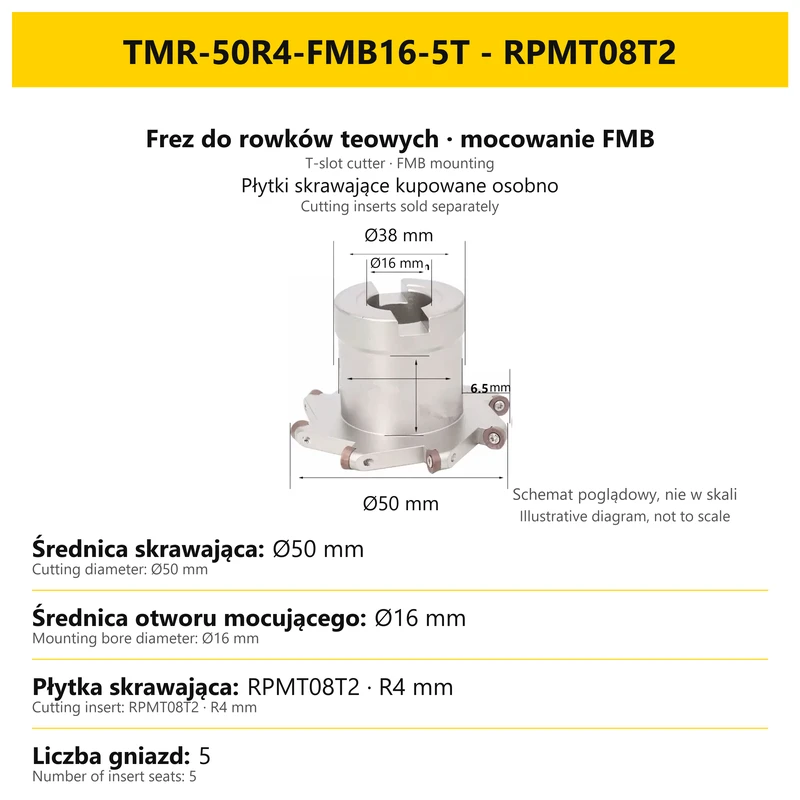

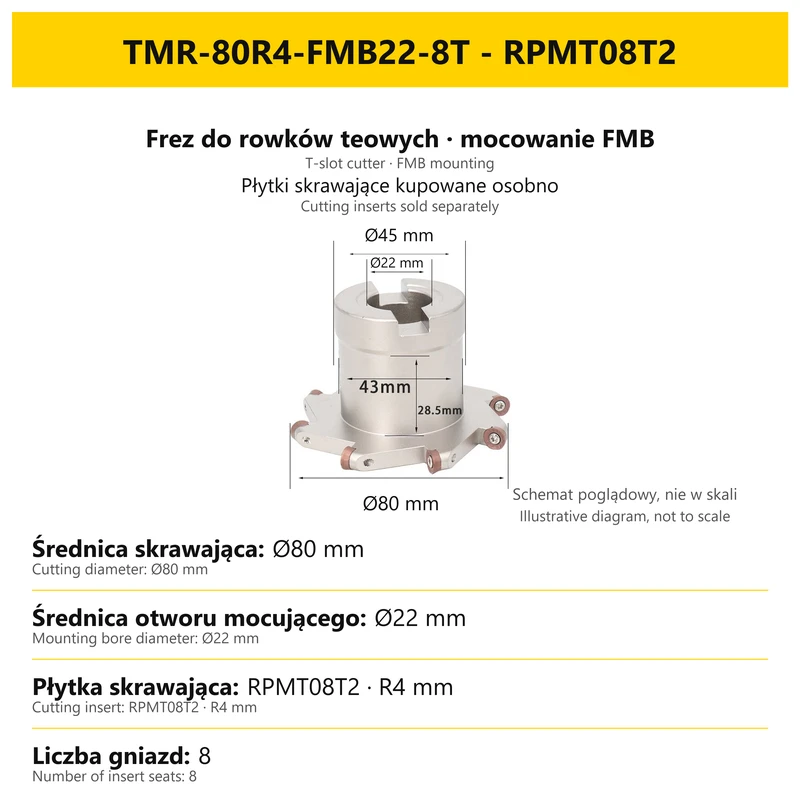
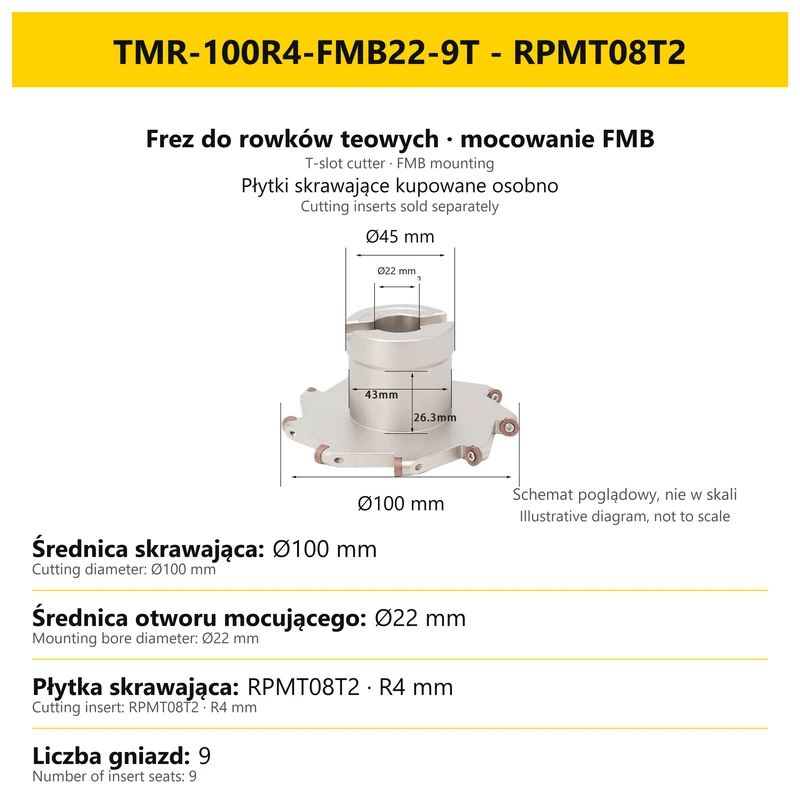
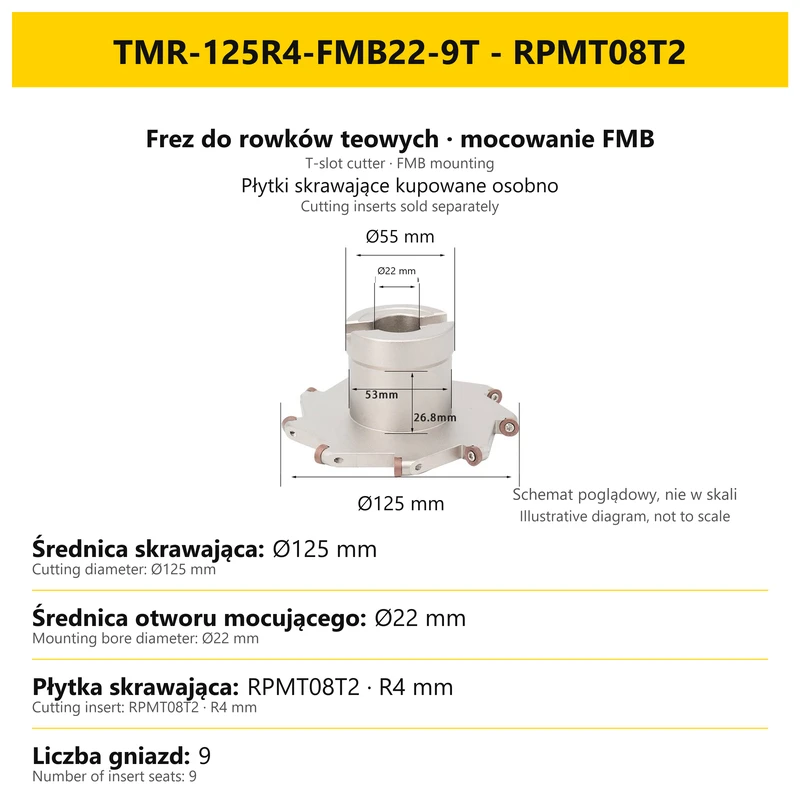

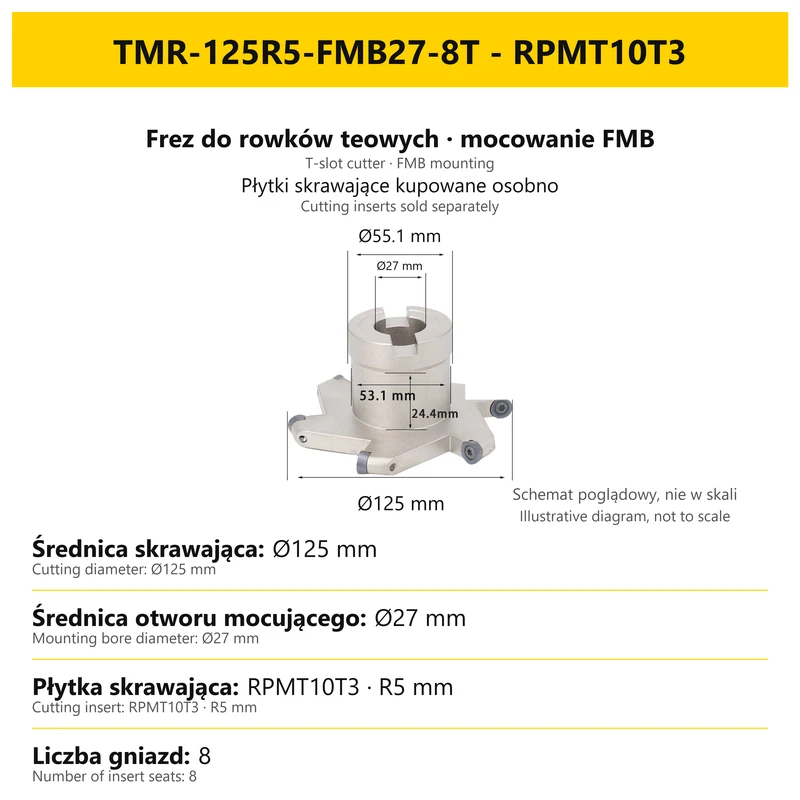
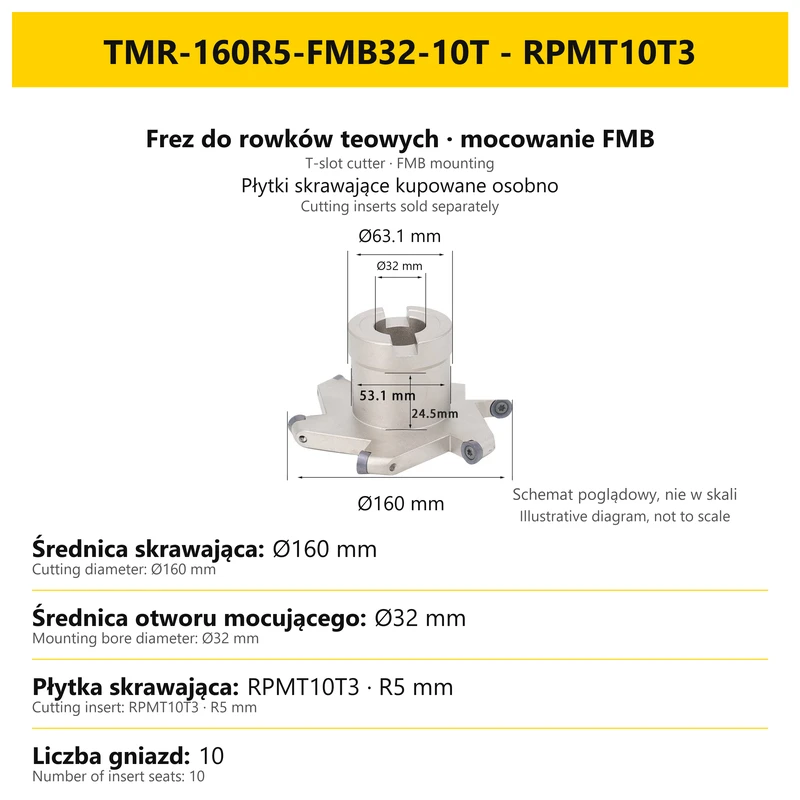
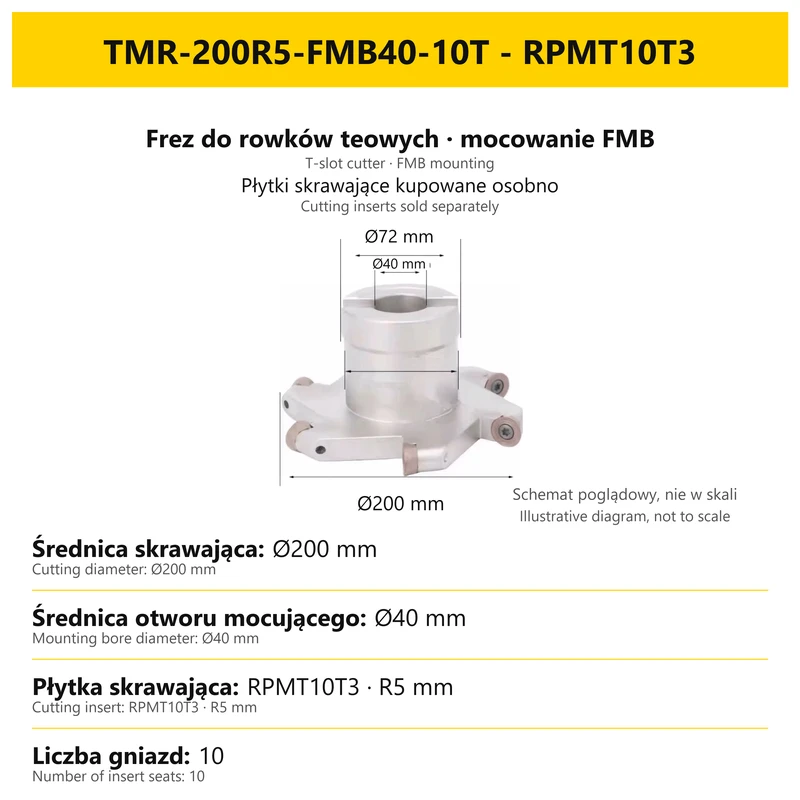
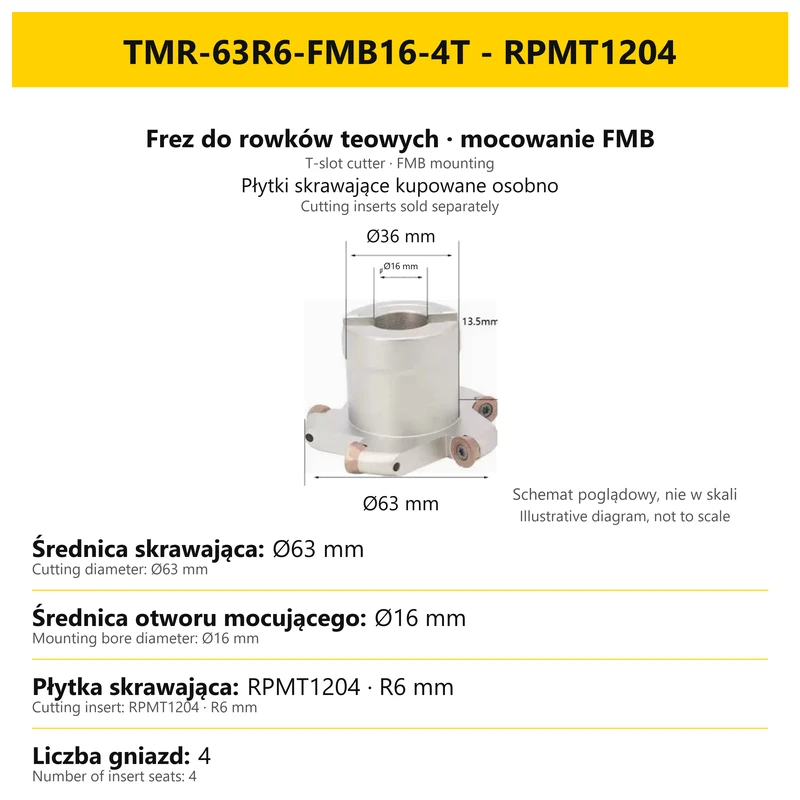
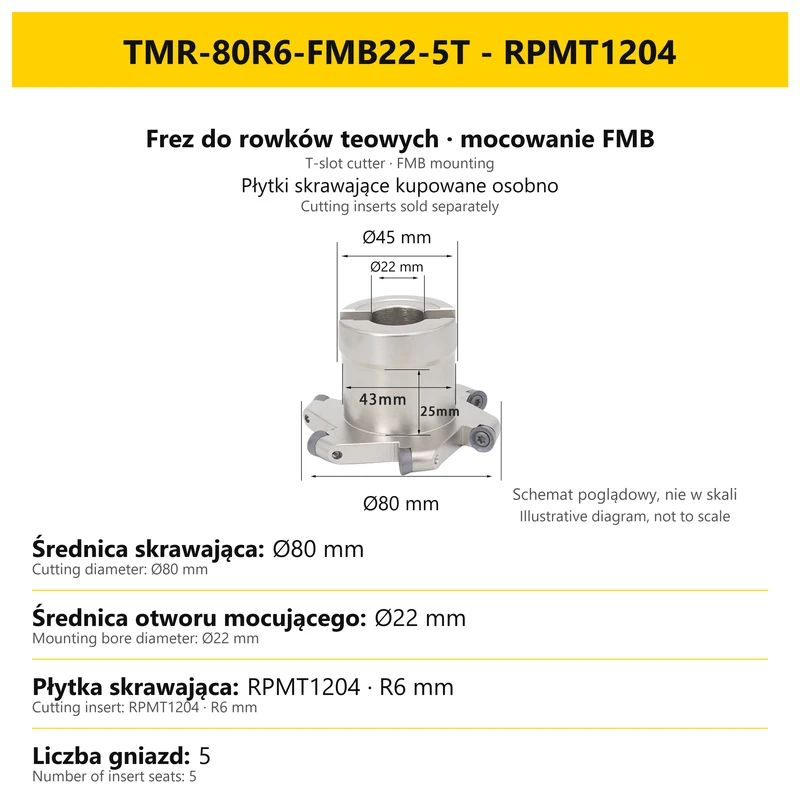
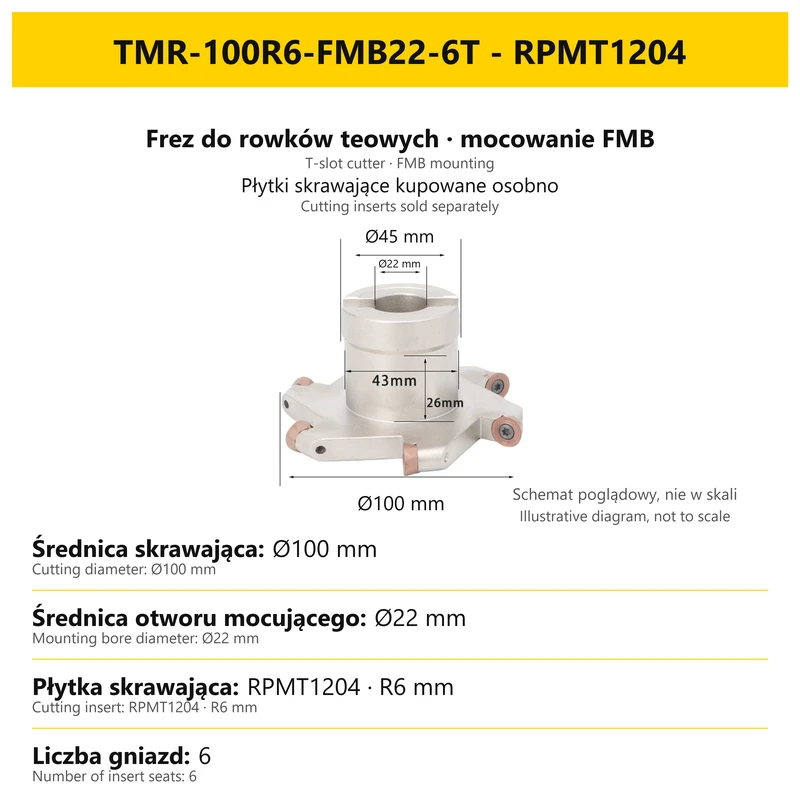

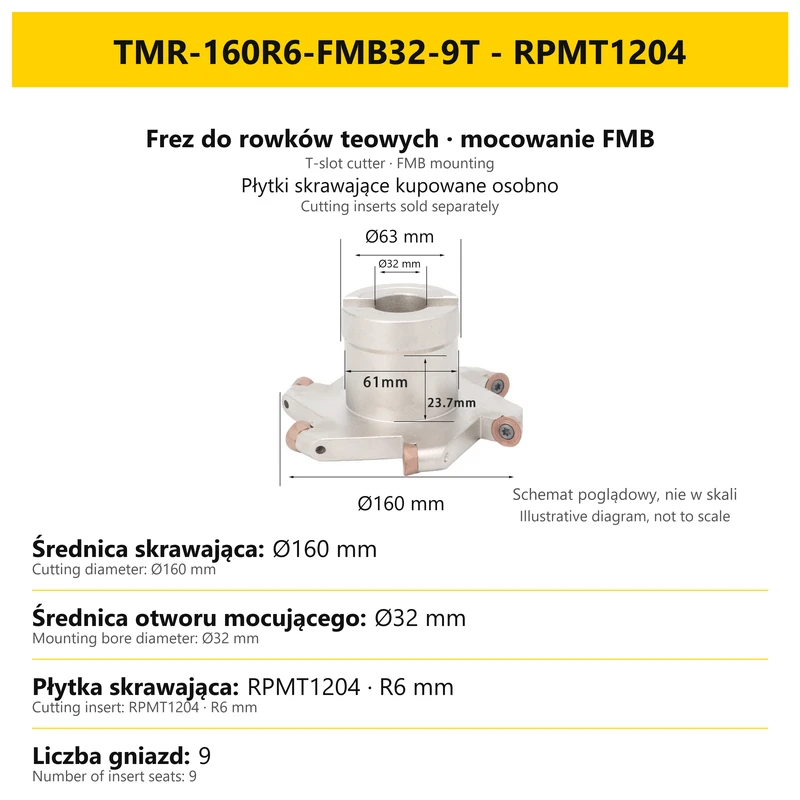
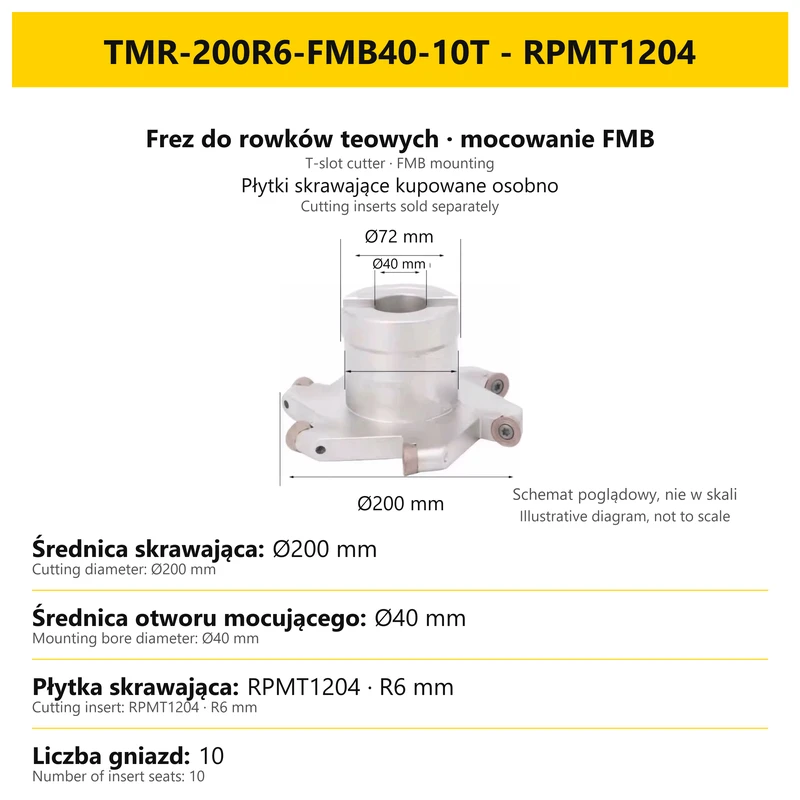




T-slot cutter, T-head (TMR) for round inserts
Shipping costs are not included in the price.
Shipping costs are not included in the price.
Ask about the product

The administrator of personal data is Kortools. We process it to respond to your inquiry. More information regarding the processing of personal data can be found in privacy policy.
Select a product variant:
Individual variants may differ in price
Product code: D6B3-3080C
Product description
T-slot cutter — TMR head for round inserts
Indexable cutter body · cylindrical shank C or arbor mounting FMB
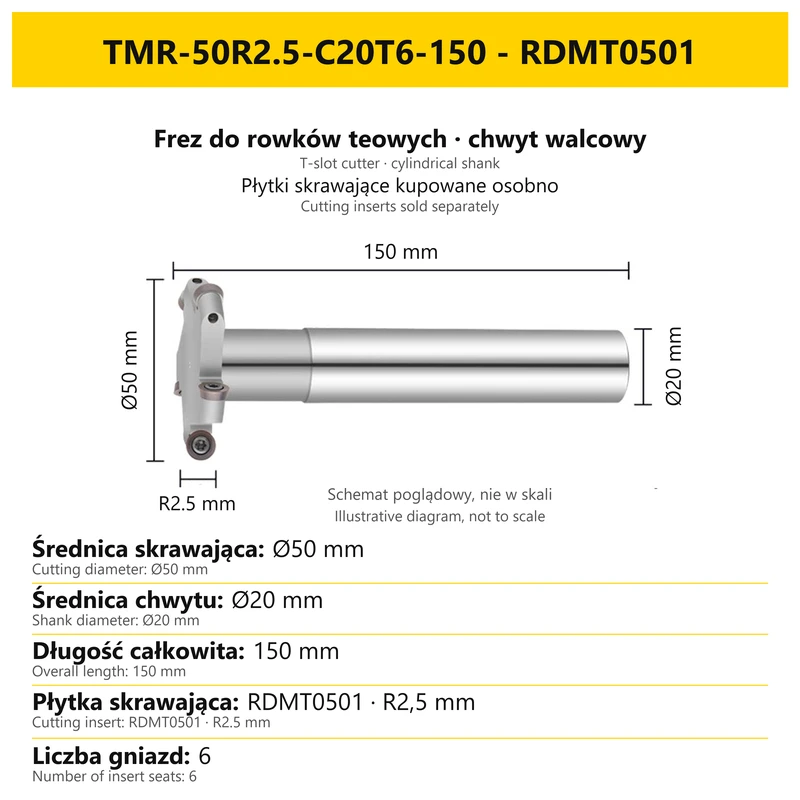
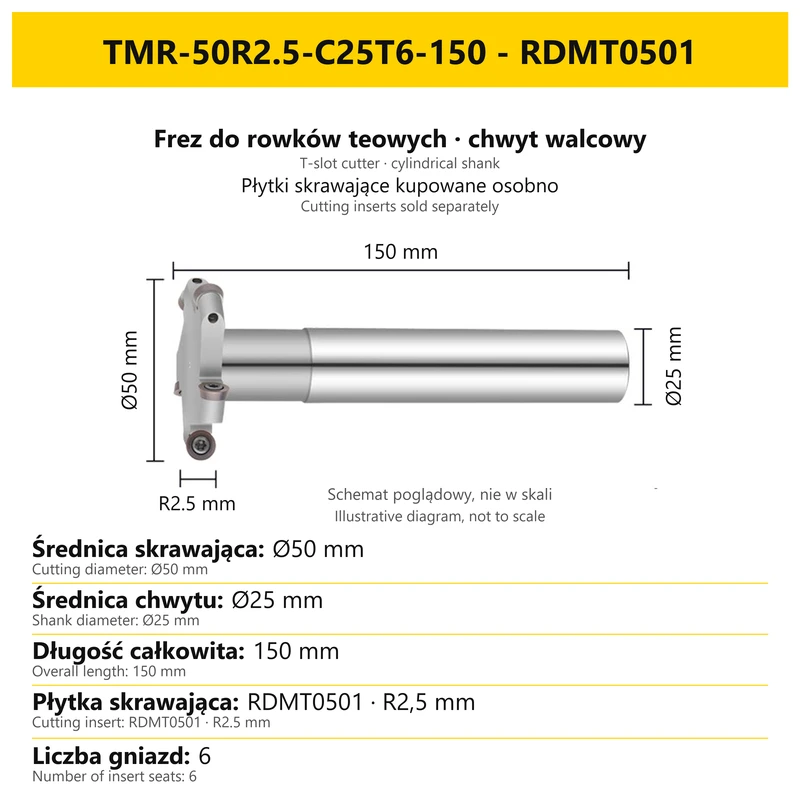
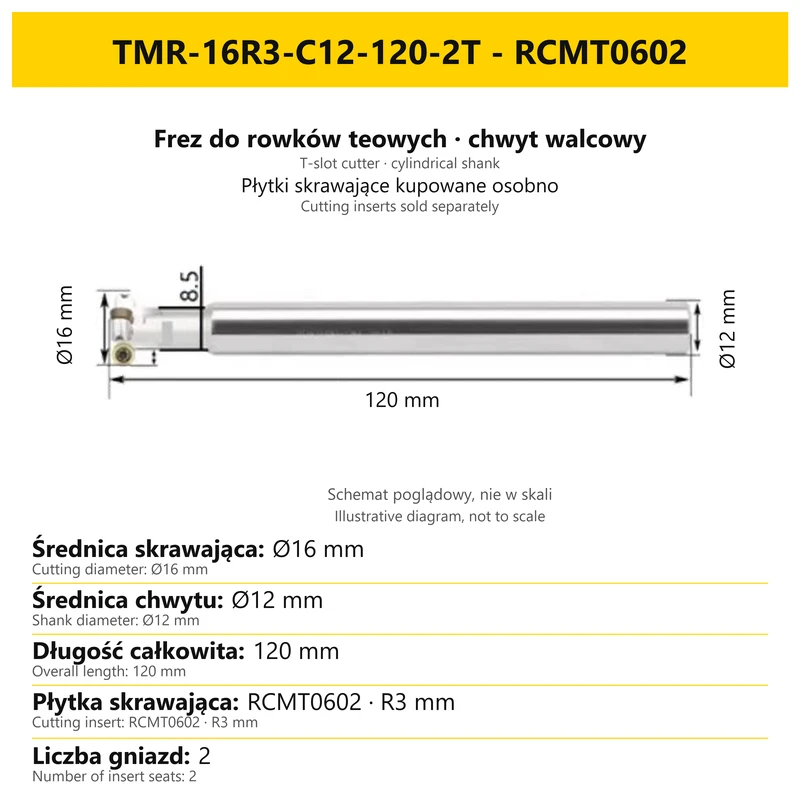
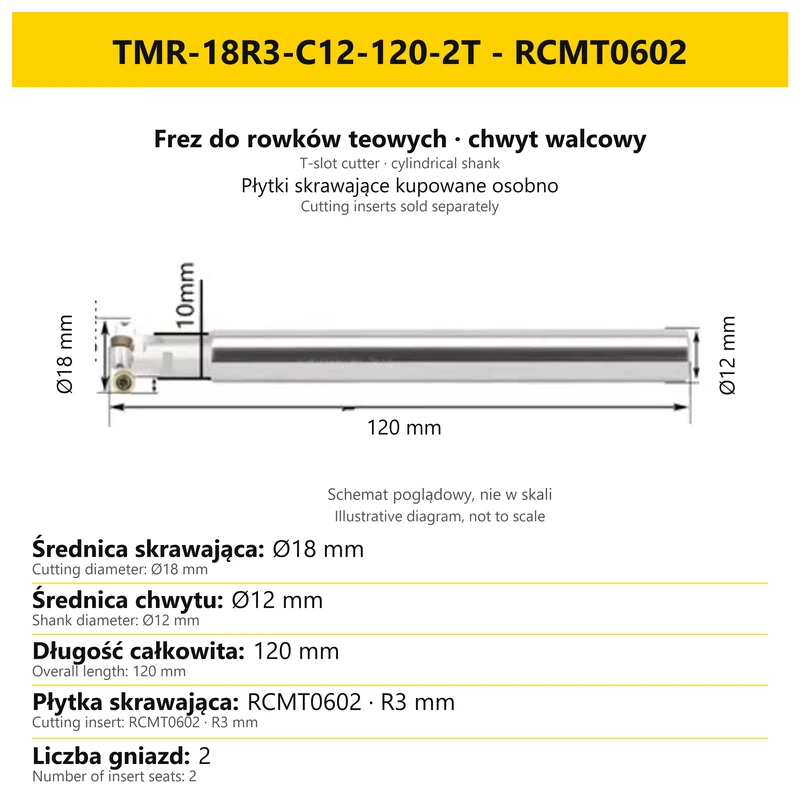
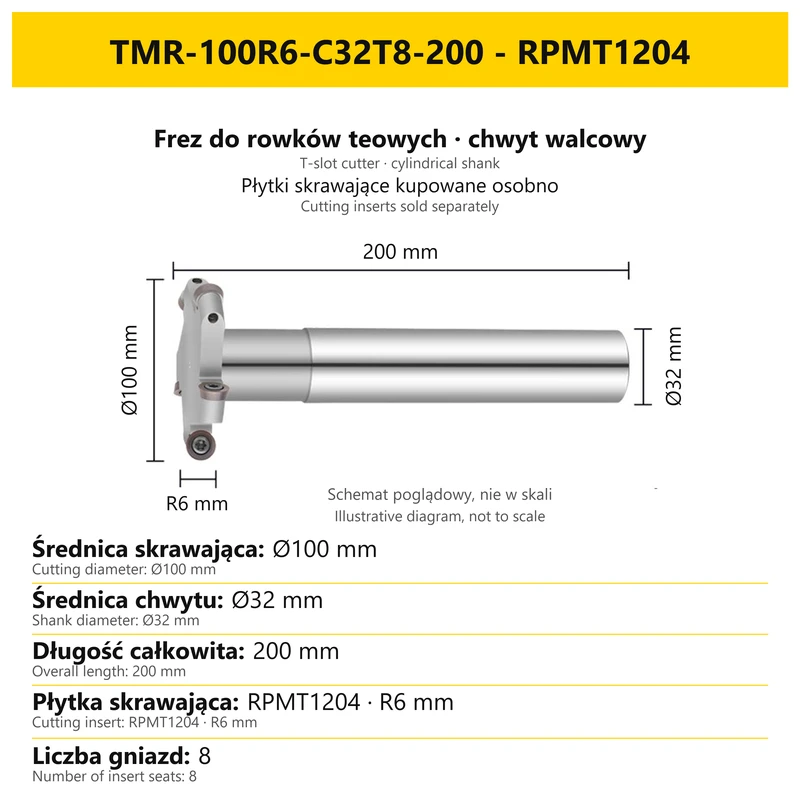
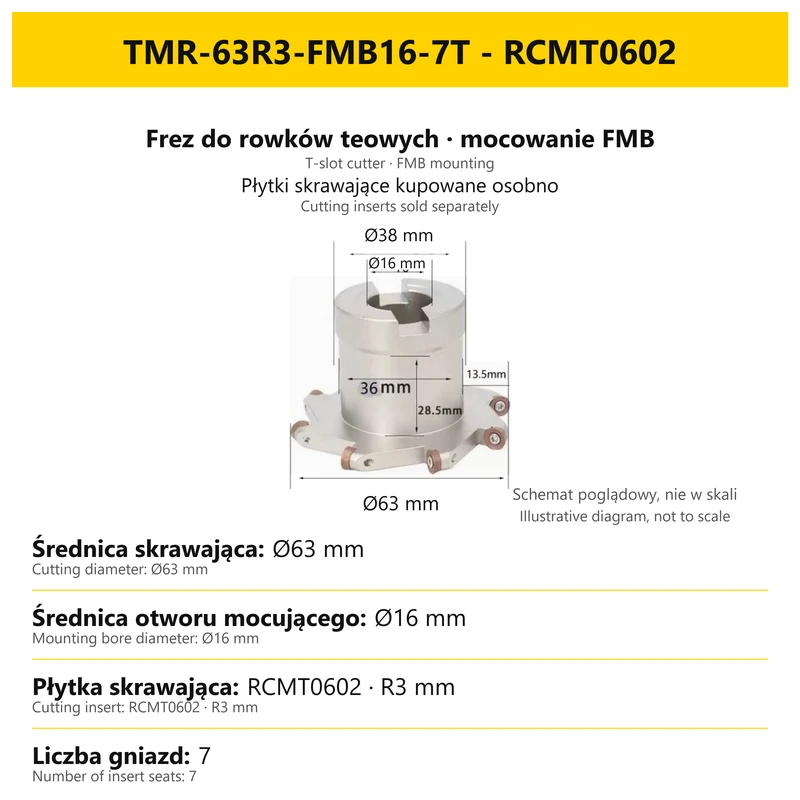
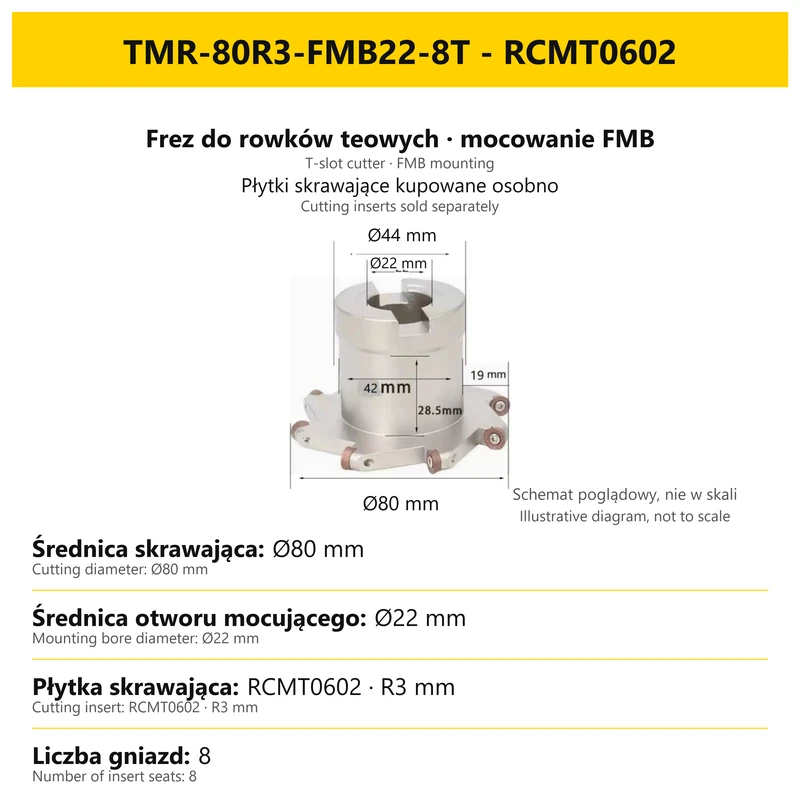
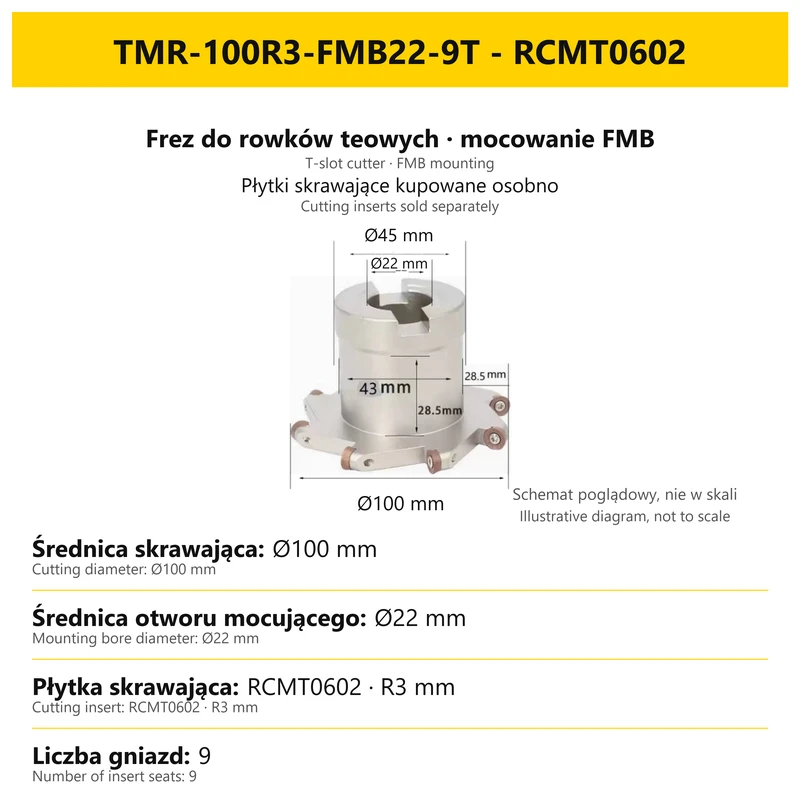
TMR is an indexable cutter for T-slots, using replaceable round cutting inserts. Select the cutting diameter, insert radius, mounting type and number of insert seats. For a shank-type cutter, also check the shank diameter and overall length. The cutter body is supplied without inserts — cutting inserts are sold separately.
1. Applications
The cutter is intended for T-slot milling, grooving and side milling. The round insert forms a curved cutting edge; its radius is given by R in the selected variant designation. This family includes cylindrical-shank cutters and arbor-mounted cutter heads.
Choose the workpiece material through the insert grade and geometry. Suitable insert versions are used for steel, stainless steel, cast iron, titanium, aluminium and brass. TMR identifies the body family; it does not specify one universal insert grade for all these materials.
Compare the cutting diameter and radius with the required slot geometry. Tool length and mounting type are separate parameters; a larger cutter diameter does not automatically mean a larger shank diameter.
2. Body construction and material
| Parameter | Specification |
|---|---|
| Series | TMR |
| Tool type | Indexable T-slot cutter |
| Body | 42CrMo chromium-molybdenum steel |
| Body heat treatment | Double hardening |
| Body hardness | Approximately 55 HRC |
| Cutting element | Replaceable round insert |
| Insert clamping | Screw clamping |
| Number of insert seats | The value designated by T in the selected variant |
Approximately 55 HRC is the hardness of the cutter body. It is not a workpiece-hardness limit. Obtain the machining range and cutting conditions from the specifications of the selected insert.
The body has an enlarged core and ground surfaces, as described in the documentation for this family. The insert is the replaceable component when a cutting edge wears; its material and coating are separate from the material of the steel body.
3. Dimensions and size selection
| Parameter | Meaning for selection |
|---|---|
| Cutting diameter | The first numerical value after TMR |
| Radius R | Radius of the round insert specified for the cutter |
| Shank diameter C | Cylindrical shank diameter in a shank-type cutter |
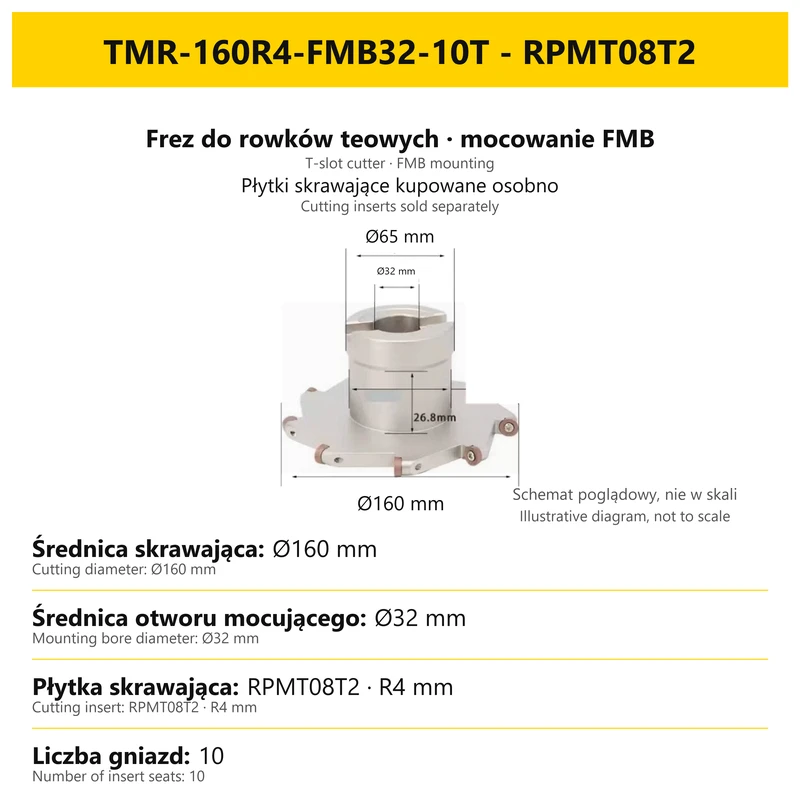
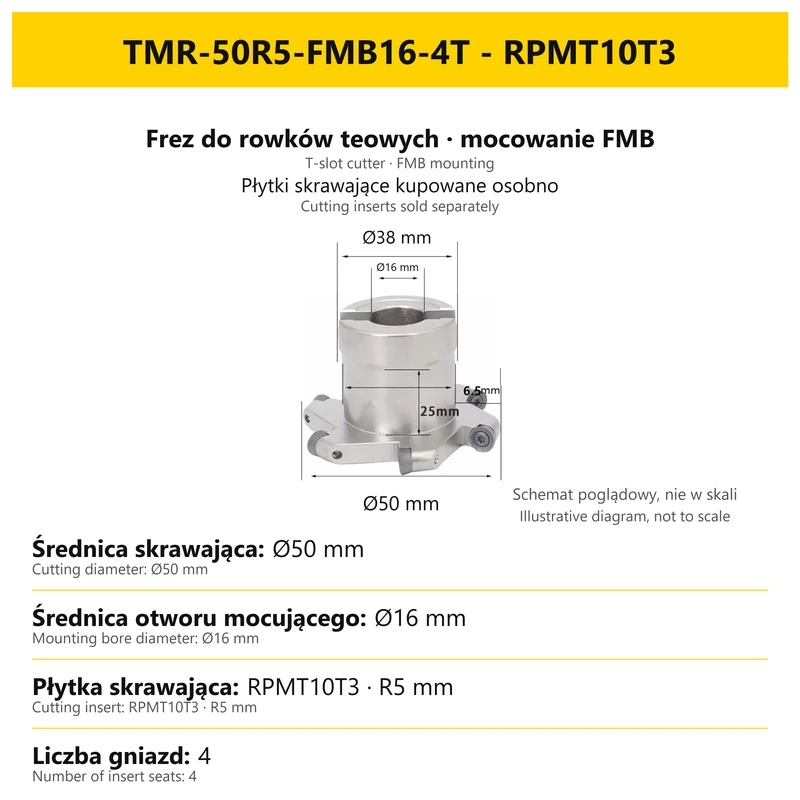
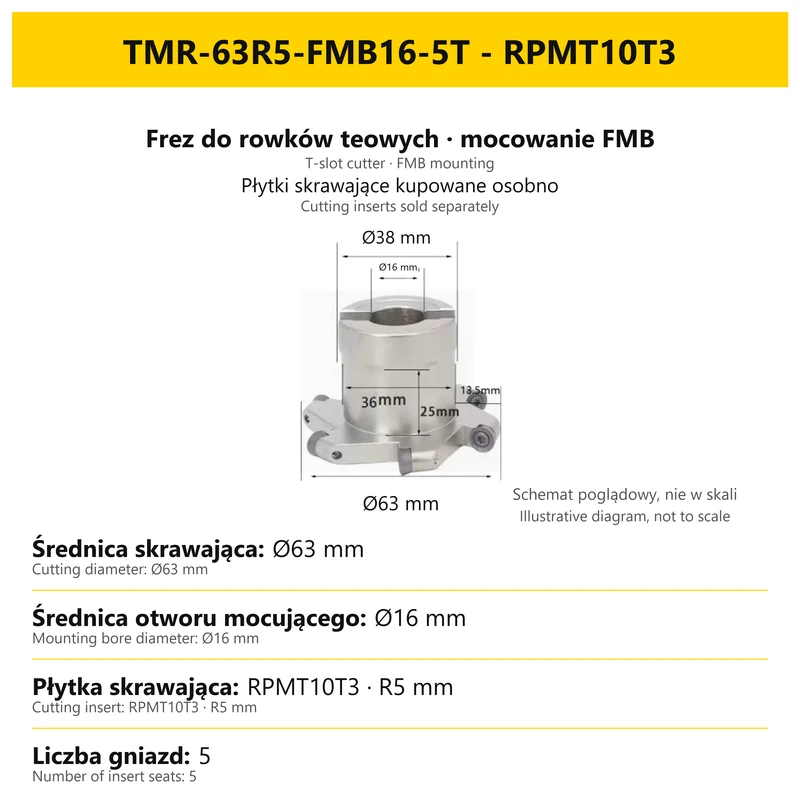
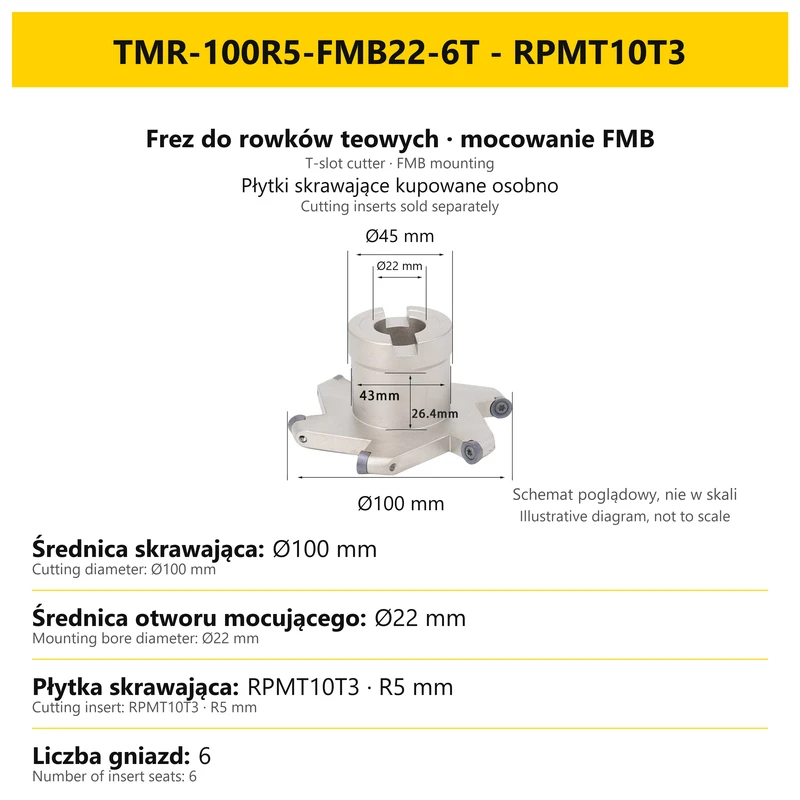
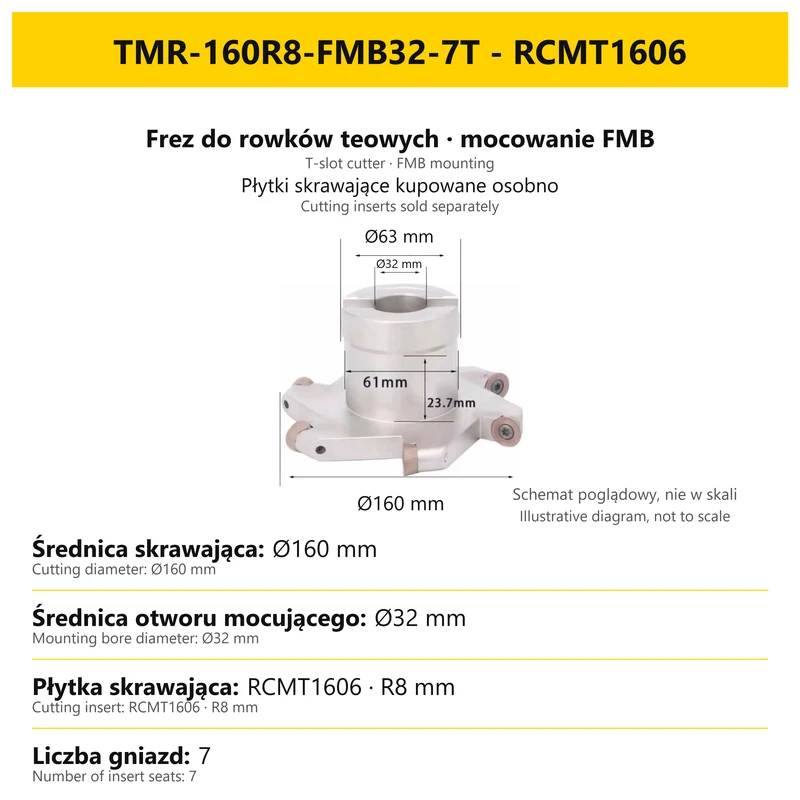
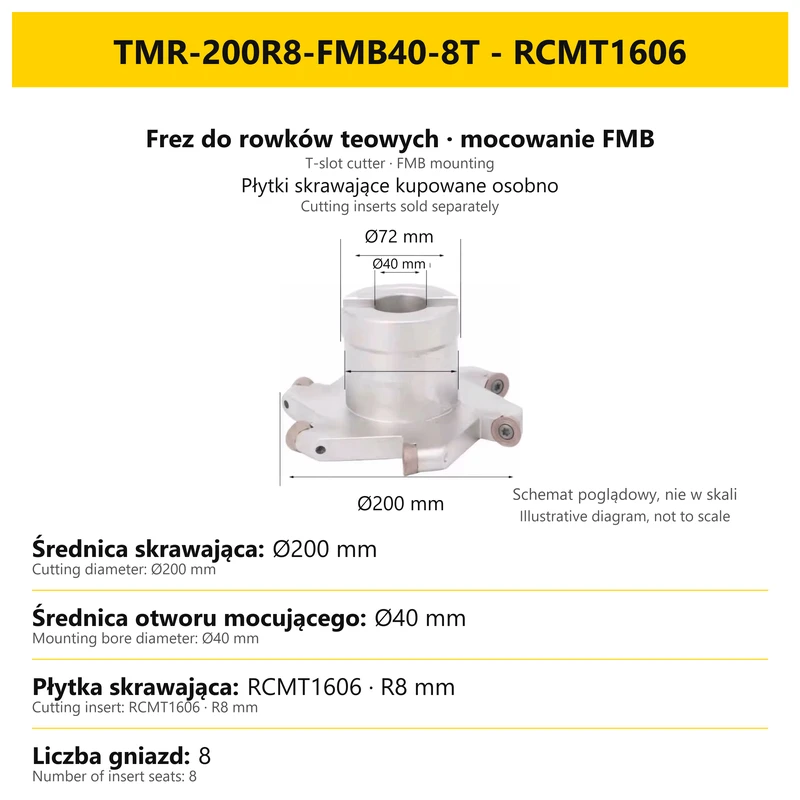
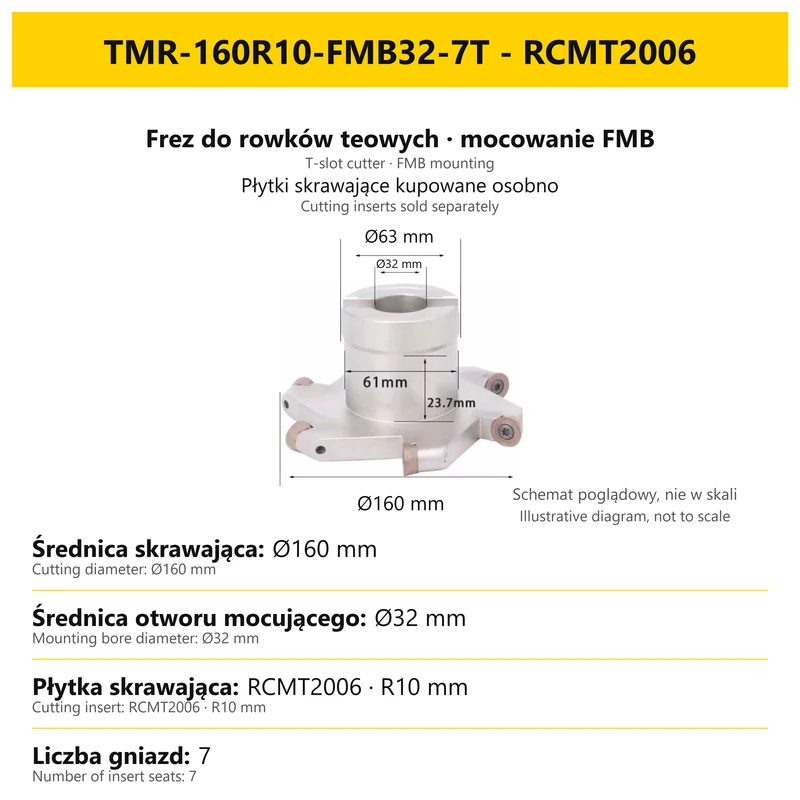
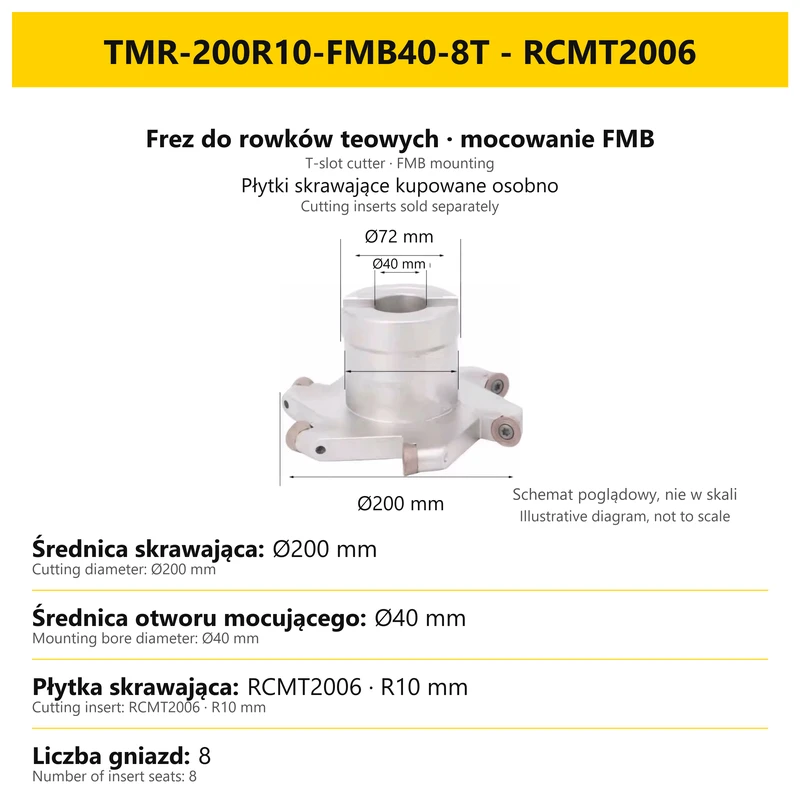
| FMB mounting | Arbor-mounted version; the number after FMB identifies the mounting-bore diameter |
| Overall length | Length given in the code of the cylindrical-shank version |
| Insert-seat count T | Number of locations for cutting inserts |
Read the exact size and compatible insert designation from the selected product variant. Variant cards distinguish cutting diameter from shank diameter and radius from overall length. Dimensions are given in millimetres.
The round-insert radius is neither shank length nor mounting diameter. Do not convert it into another body dimension without the relevant drawing. An FMB version may have additional body dimensions; the mounting-bore diameter alone does not replace them.
Photographs and diagrams are illustrative. Use the stated numerical dimensions for selection rather than measuring the photograph.
4. Cylindrical shank C and arbor mounting FMB
| Version | What to check |
|---|---|
| C — cylindrical shank | Shank diameter, overall length and compatibility with your holder |
| FMB — arbor-mounted head | Mounting-bore diameter and compatibility with the arbor and mounting geometry |
A C version has a cylindrical shank that forms part of the cutter body. Select the holder by that shank diameter rather than the outside cutting diameter. Use a suitably selected holder, such as an ER or hydraulic holder.
An FMB version is mounted on a separate arbor. FMB distinguishes it from a cutter with an integral cylindrical shank. C and FMB variants use different mounting systems; do not omit this part of the designation when selecting the product.
Cutting diameter, radius and number of insert seats are separate specifications in an FMB version as well. Select each for the required slot and the available mounting system.
5. Round cutting inserts
The compatible insert designation appears in the variant name. This family uses different round-insert systems, including RDMT, RDMW, RCMT and RPMT. A similar-looking round insert is insufficient: match the complete designation.
A confirmed example is the version with R2.5 radius, Ø20 mm cutting diameter, Ø12 mm shank, 120 mm overall length and three insert seats, which takes an RDMT0501 insert. This example does not extend RDMT0501 compatibility to other sizes or other versions with the same radius.
| Information | How to use it |
|---|---|
| Insert designation | Match the full designation to the selected variant name |
| Radius | Check the R value specified for that body |
| Grade and geometry | Select for the workpiece material |
| Number of insert seats | Read T; this is the number of seats in the cutter, not the number of edges on one insert |
A photograph of a cutter with installed inserts illustrates its construction and how the cutting elements are seated. The inserts shown in such a photograph are not included with the cutter body.
6. Reading the TMR designation
The code starts with the TMR family designation, followed by cutting diameter and radius R. C identifies a cylindrical-shank version; FMB identifies an arbor-mounted head. The number next to T gives the number of insert seats.
For example, Ø20 mm, R2.5 mm, C12, 120 mm overall length, T3 means a 20 mm cutting diameter, a 2.5 mm insert radius, a 12 mm cylindrical shank, 120 mm overall length and three insert seats. Overall length includes the cutter head and shank.
In this family, T may appear next to C or at the end of the code. Read the letters and their associated values; do not assume the same numerical position always describes the same parameter. An insert designation added after the body code identifies the compatible cutting element.
7. Sale unit and cutting elements
| Component | Information |
|---|---|
| TMR cutter head | One cutter body in the selected variant |
| Cutting inserts | Sold separately |
| Holder or arbor | Selected for C or FMB mounting |
Before ordering, select the specific body variant and matching inserts. This listing concerns the cutter head; a holder or separate arbor does not replace selection of the correct body.
T gives the number of insert seats. It does not indicate the number of bodies sold in a pack or the number of cutting edges on one insert. Inserts complete the tool as separately selected cutting elements.
8. Selection questions
Are inserts included?
No. This listing concerns the TMR body in the selected variant. Inserts are sold separately; match the designation stated for that variant.
Do all TMR heads use the same insert?
No. Variant names include different complete insert designations. Match the specific size, insert designation and radius.
Does 55 HRC mean maximum workpiece hardness?
No. It describes the cutter-body hardness. Machining materials and hardness depend on the selected insert.
What is the difference between C and FMB?
C identifies an integral cylindrical shank. FMB identifies an arbor-mounted head with a mounting bore for a separate arbor.
Does T3 mean three edges on one insert?
No. T3 means three cutting-insert seats in the cutter head.
Related products
-
D707-203E6

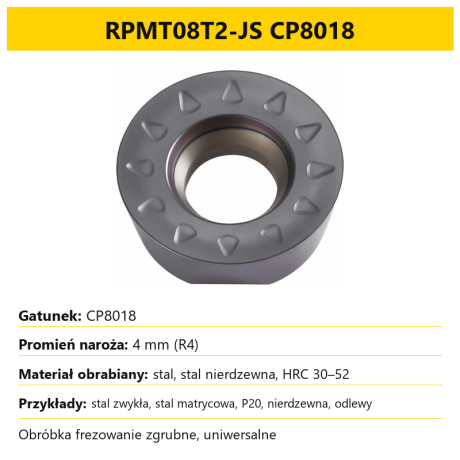 Milling Inserts 0.00
Indexable Round Inserts RPMT, RDMW, RCMT, RDMT, RPGT (10 pcs)


Bestsellers
-
Bestseller
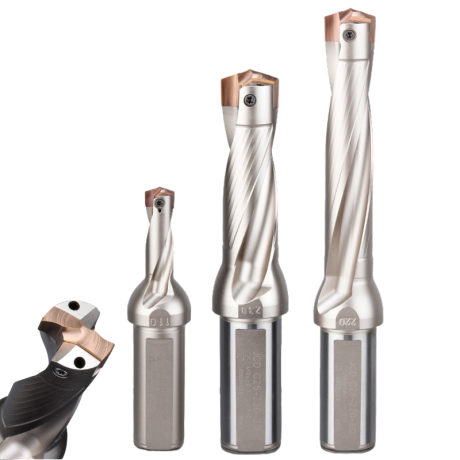
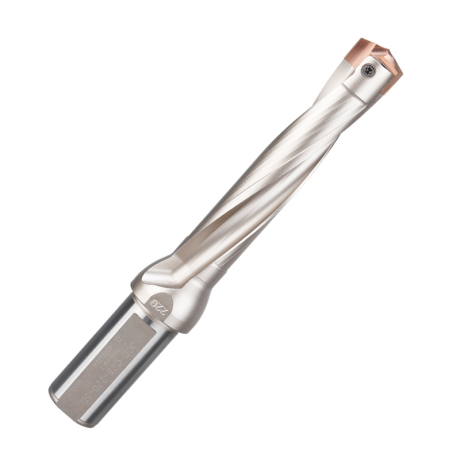
JCD modular drill with replaceable tip - internal cooling, for deep holes | GrotXD
JCD C20-100-3D Ø10~10.9 JCD C20-110-3D Ø11~11.9 JCD C20-120-3D Ø12~12.9 JCD C20-130-3D Ø13~13.9 JCD C20-140-3D Ø14~14.9 + 61 morePrice €69.86Price €56.79without VAT -
Bestseller
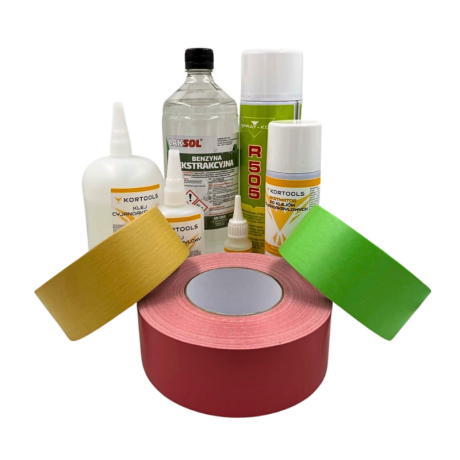
Kortools Adhesive + Tape CNC Workholding Kit
Yellow tape 5cm x 50m; adhesive 100g Yellow tape 5cm x 50m; adhesive 500g Yellow tape 10cm x 50m; adhesive 100g Yellow tape 10cm x 50m; adhesive 500g Green tape 5cm x 50m; adhesive 100g + 7 morePrice €44.66Price €36.31without VAT -
Price €17.18Price €13.97without VAT
-
Price €7.10Price €5.77without VAT
-
Price €7.56Price €6.14without VAT
-
Bestseller
 Other Accessories 0.00
CNC Chip Fan / Chip Blower
Complete CNC chip fan Kit: blades, springs, pins and screwsPrice €53.82Price €43.76without VAT -
Bestseller
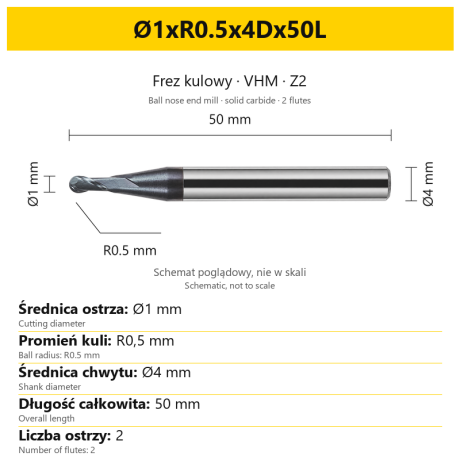 Ball Nose End Mills 0.00
2-Flute Carbide Ball Nose End Mill - HYPERCUT
Ø1xR0.5x4Dx50L Ø1.5xR0.75x4Dx50L Ø2xR1x4Dx50L Ø2.5xR1.25x4Dx50L Ø3xR1.5x3Dx50L + 26 morePrice €10.14Price €8.25without VAT -
Bestseller
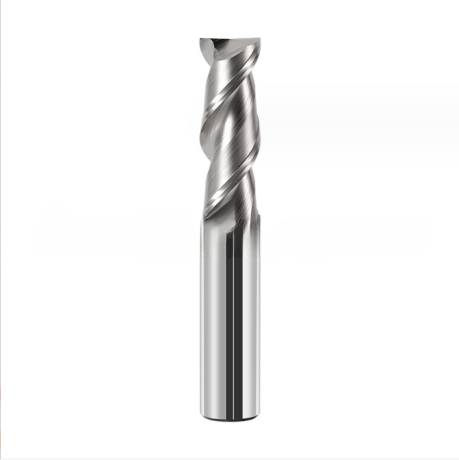
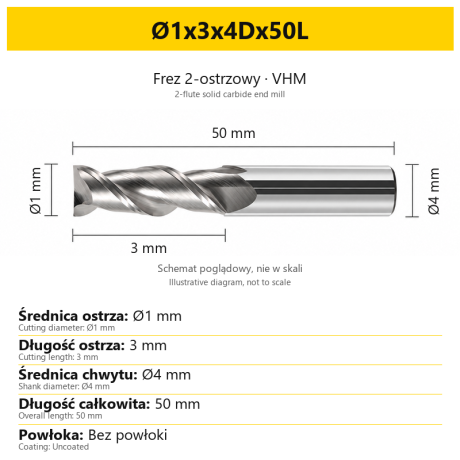 2-Flute End Mills 0.00
2-Flute Carbide End Mill for Aluminium
Ø1x3x4Dx50L Ø1.5x4x4Dx50L Ø2x6x4Dx50L Ø2.5x7.5x4Dx50L Ø3x9x3Dx50L + 31 morePrice €5.35Price €4.35without VAT -
Bestseller
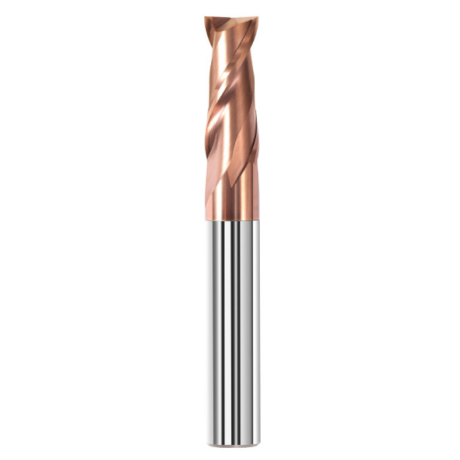
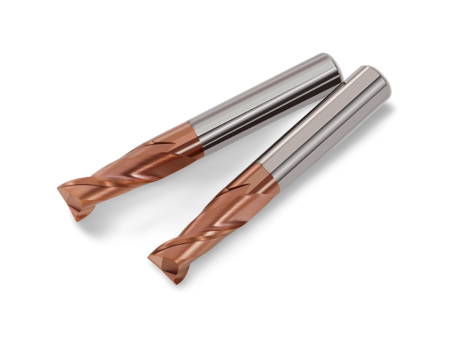 2-Flute End Mills 0.00
2-Flute Carbide End Mill for Steel 55 HRC - TiSiN - Solid Carbide
Ø6x24x6Dx75L Ø8x25x8Dx75L Ø4x20x4Dx100L Ø5x30x5Dx100L Ø6x30x6Dx100L + 31 morePrice €4.40Price €3.58without VAT -
Bestseller
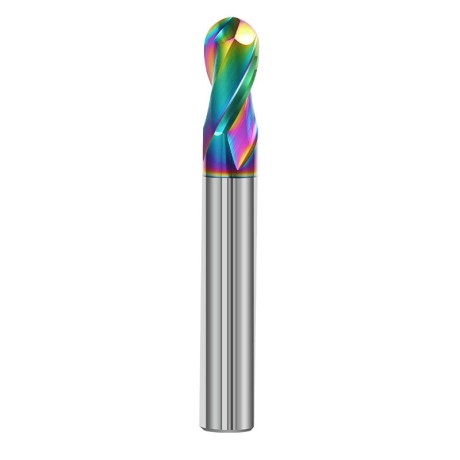
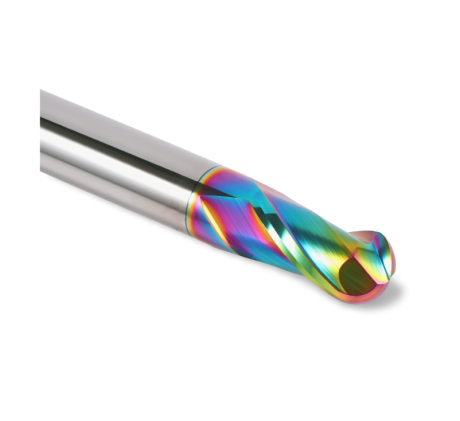 Ball Nose End Mills 0.00
2-Flute DLC Coated Carbide Ball Nose End Mill| DuraEdge Alu
Ø1.0xR0.5x4Dx50L Ø1.5xR0.75x4Dx50L Ø2.0xR1x4Dx50L Ø2.5xR1.25x4Dx50L Ø3.0xR1.5x3Dx50L + 34 morePrice €7.89Price €6.41without VAT -
Bestseller
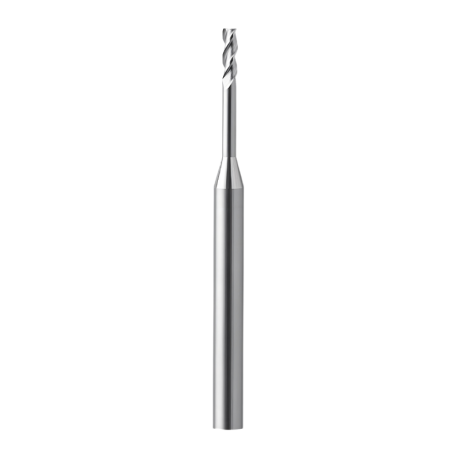
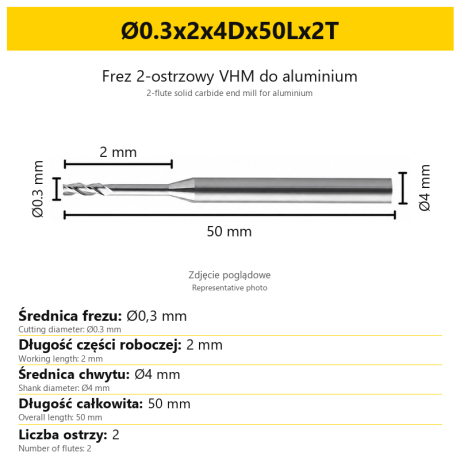 2-Flute End Mills 0.00
2-Flute End Mill for Aluminium | VHM | Miniature Ø0.3 - Ø0.9
Ø0.3x2x4Dx50Lx2T Ø0.3x3x4Dx50Lx2T Ø0.3x4x4Dx50Lx2T Ø0.4x2x4Dx50Lx2T Ø0.4x3x4Dx50Lx2T + 28 morePrice €7.99Price €6.50without VAT -
Bestseller
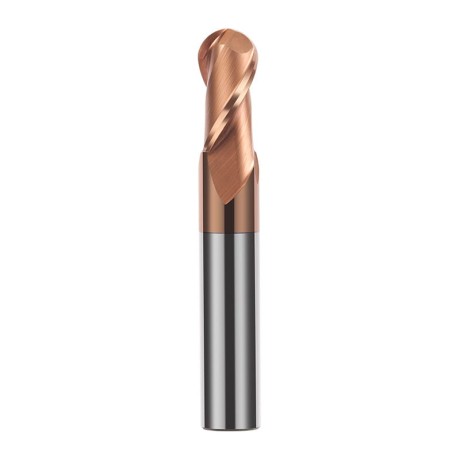
 Ball Nose End Mills 0.00
2-Flute TiSiN Coated Carbide Ball Nose End Mill
Ø1xR0.5x4Dx50L Ø1.5xR0.75x4Dx50L Ø2xR1x4Dx50L Ø2.5xR1.25x4Dx50L Ø3xR1.5x3Dx50L + 38 morePrice €7.28Price €5.92without VAT -
Bestseller
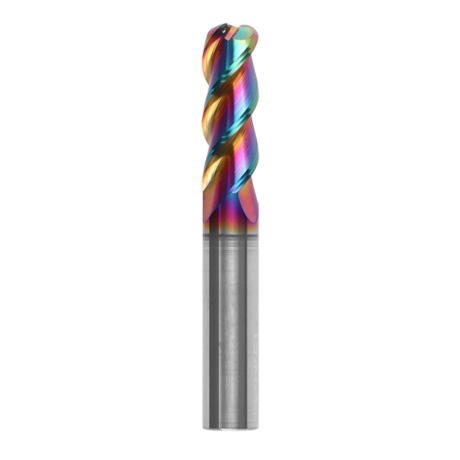
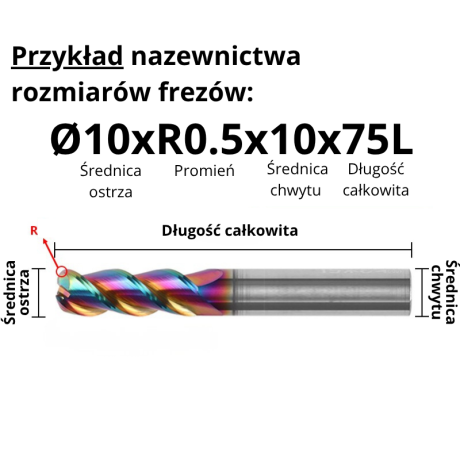
3-Flute Carbide Corner Radius End Mill for Aluminium| AL DLC
Ø1xR0.1x4Dx50L Ø1xR0.2x4Dx50L Ø1xR0.3x4Dx50L Ø1.5xR0.1x4Dx50L Ø1.5xR0.2x4Dx50L + 137 morePrice €4.96Price €4.04without VAT -
Bestseller
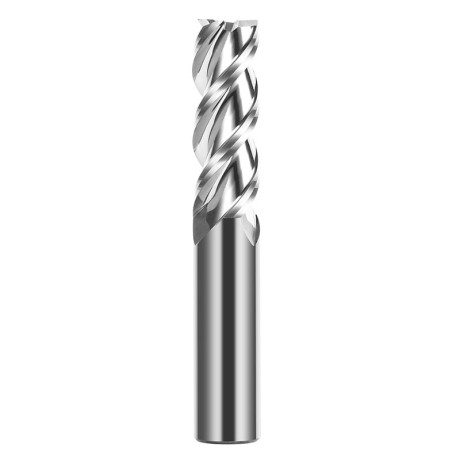
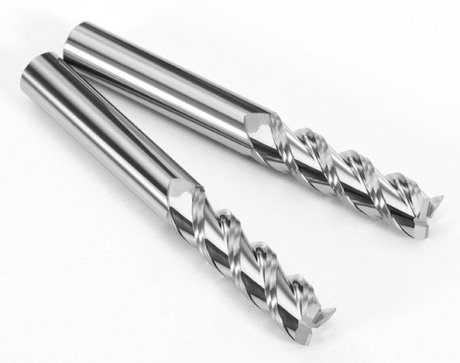 3-Flute End Mills 0.00
3-Flute Carbide End Mill VHM Z-3 for Aluminium| TriMill AL
Ø1x3xD4x50L Ø1.5x5x4Dx50L Ø2x6x4Dx50L Ø2.5x8x4Dx50L Ø3x9x3Dx50L + 41 morePrice €5.10Price €4.15without VAT -
Bestseller
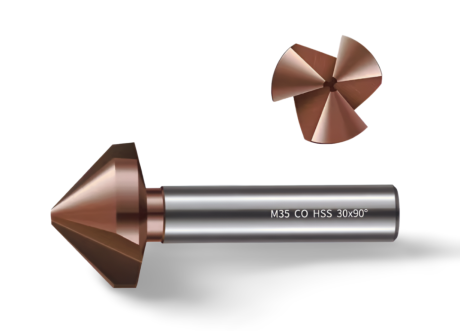
 Countersinks 0.00
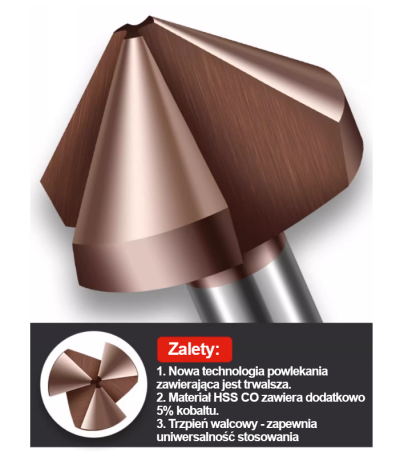
3-Flute Countersink Fi4.5-fi60, 90° - HSS-CO - 5% Kobaltu | Straight Shank
Ø4.5 x 4 x 90° x 40L Ø5 x 5 x 90° x 45L Ø6.3 x 5 x 90° x 45L Ø8.3 x 6 x 90° x 50L Ø10.4 x 6 x 90° x 50L + 12 morePrice €4.81Price €3.91without VAT -
Bestseller
 3-Flute End Mills 0.00
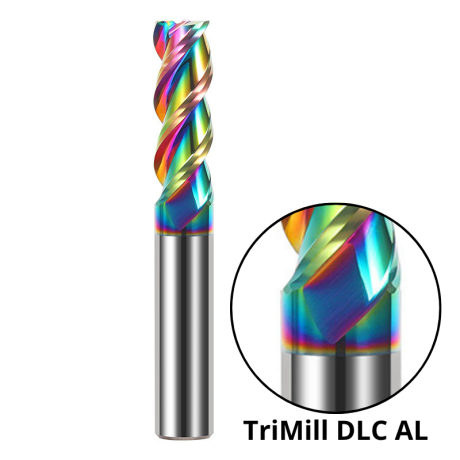
3-Flute DLC Coated Carbide End Mill | TriMill DLC AL
Ø1x3x4Dx50L Ø1.5x5x4Dx50L Ø2x6x4Dx50L Ø2.5x8x4Dx50L Ø3x8x3Dx50L + 38 morePrice €5.07Price €4.12without VAT